Outgrowing the Swaddle: When to Stop and How to Transition
Outgrowing the Swaddle: When to Stop and How to Transition
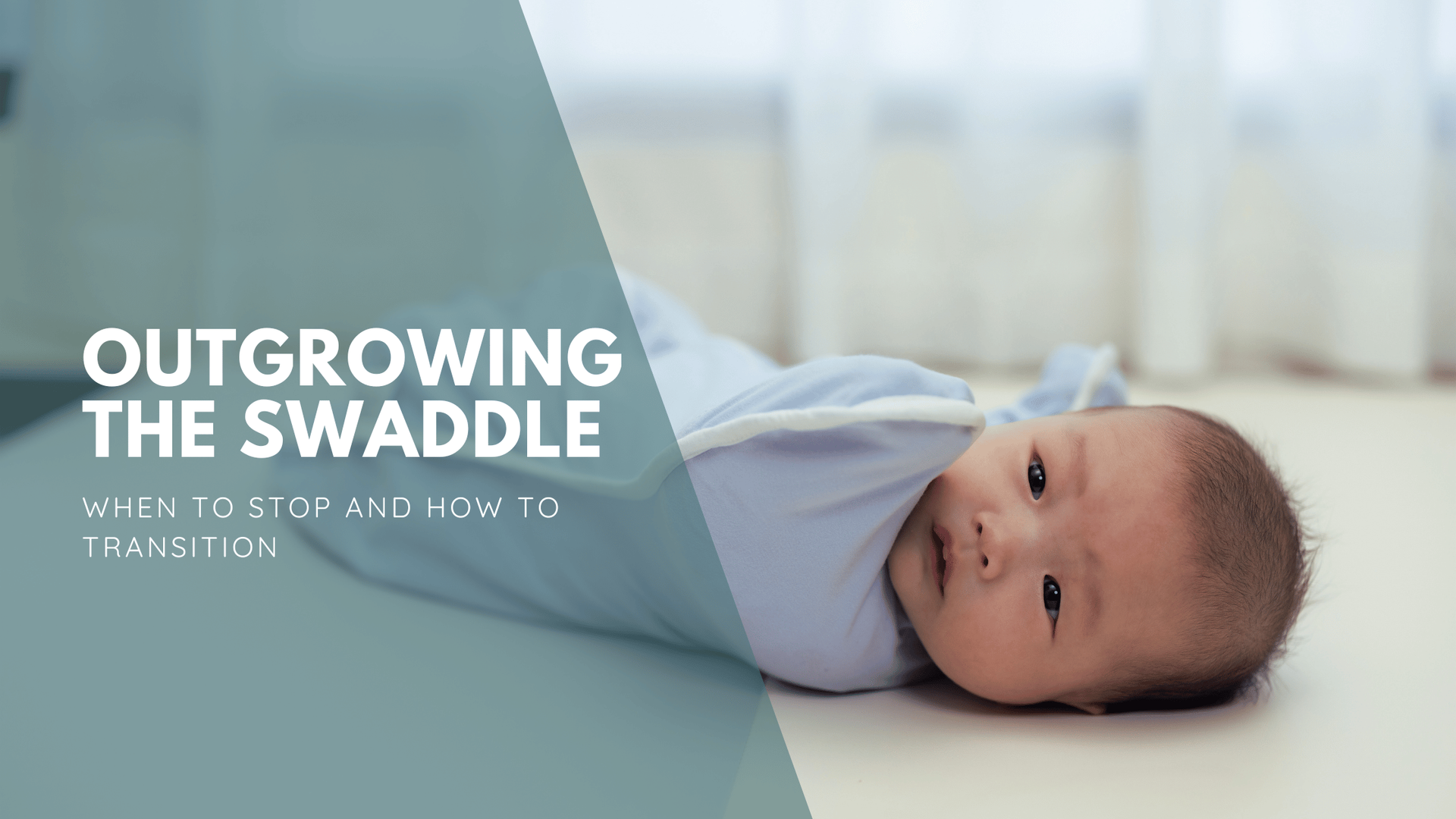
At some point, the swaddle that once felt like a lifesaver just stops being helpful.
Maybe your baby is starting to roll, their sleep habits have gotten a little more unpredictable, or you’ve simply heard it’s time to stop, leaving you wondering what to do.
It’s one of those changes that sounds small, but doesn’t feel small when you’re dealing with it, especially if sleep had finally started to feel manageable.
Why This Transition Can Feel So Disruptive
Swaddling works because it keeps your baby’s startle reflex from waking them up.
It keeps them comfy and contained. They feel safe, even though they’re not with you. So when you take that away, things can shift pretty quickly.
Some babies start waking up more. Some seem annoyed by their arms being free. You might go through your usual routine, lay them down, and then they’re awake again five minutes later.
It can feel like it came out of nowhere. A lot of parents hit this point and immediately wonder if they did something wrong. If that’s you, it’s not true.
Your baby is just adjusting to something new.
When It’s Time to Stop Swaddling
The biggest sign is rolling. Once your baby shows signs of rolling over on their own, it’s time to stop swaddling with their arms fully wrapped.
What are some of the signs?
- They lift their head a lot while they sleep or during tummy time.
- They can push with their arms and get their chest off the floor.
- They rock on their back or belly.
- They roll onto their side.
Also, keep in mind that babies typically start to do this around 3-4 months old (it could be a little later). Any earlier is probably just an accident.
Transitioning a baby from a swaddle so they can roll over is about safety, not preference. Even if your baby still sleeps better swaddled, things change once rolling starts.
Some babies also start fighting the swaddle before this. You might notice them breaking out of it, getting frustrated, or just not settling the same way anymore.
There’s no perfect day when stopping feels easy. Most parents just reach a point where it’s time, convenient or not.
What the Transition Actually Looks Like
This is where things get a little less clear. Some babies adjust in a few days, others take longer, and some surprise you and barely react at all.
There are a couple of ways to approach it. Some parents prefer to make the transition gradually. They might put one arm out for a few nights, then both.
Other parents switch straight to a sleep sack and just go for it. Your baby will have full movement while still feeling secure and comfortable.
Either option can work. It really depends on your baby and your current energy level.
What Helps (Even If Sleep Gets a Little Off)
This is usually the part people are most worried about. How do you do this without completely changing your baby’s sleep habits?
Unfortunately, you might have some difficult nights.
Keeping your routine the same helps more than anything. Same steps, same general rhythm. That familiarity gives your baby something steady while everything else is changing.
You could also find yourself doing a little more at bedtime for a bit. You might need to hold them longer, help them settle again, and go back in when they wake up sooner than expected.
This is just you supporting your baby during a big change.
It also helps to expect some disruption instead of trying to avoid it completely. When you’re not caught off guard by it, it feels less frustrating.
This is also one of those times where extra support actually matters. Even having someone, like a postpartum doula, hold the baby for a stretch so you can sleep can make the whole thing feel more manageable.
You’re Not Ruining Sleep for Your Baby
This is sometimes where the spiral starts. Sleep was going well, and now it’s not. It’s easy to think something must be wrong. But this isn’t a setback. It’s just a change.
Your baby is learning how to sleep without that extra support from the swaddle. That takes a little time. Your baby will figure it out and get used to it. It just doesn’t happen overnight.
Give It a Little Time
There’s a lot of pressure to handle sleep “the right way,” but this stage isn’t about getting it perfect. It’s about getting through it.
Some nights will be smoother than others. If your baby needs more from you or things feel off for a few days, that’s okay.
This is one of many transitions you’ll move through.
If you want support figuring out what this looks like in your home, Utah Postpartum Care can help. Having someone walk through it with you can take a lot of the pressure off. Reach out anytime. We'd love to talk!
FAQ
When should I stop swaddling my baby?
Once your baby shows signs of rolling, it’s time to stop swaddling with arms in for safety.
What can I use instead of a swaddle?
Most parents switch to a sleep sack, which allows movement while still feeling secure.
Is it normal for sleep to get worse during the transition?
Yes. It’s very common for sleep to feel off for a few days while your baby adjusts.