Cesarean Awareness Month: What No One Tells You About C-Section Recovery
Cesarean Awareness Month: What No One Tells You About C-Section Recovery
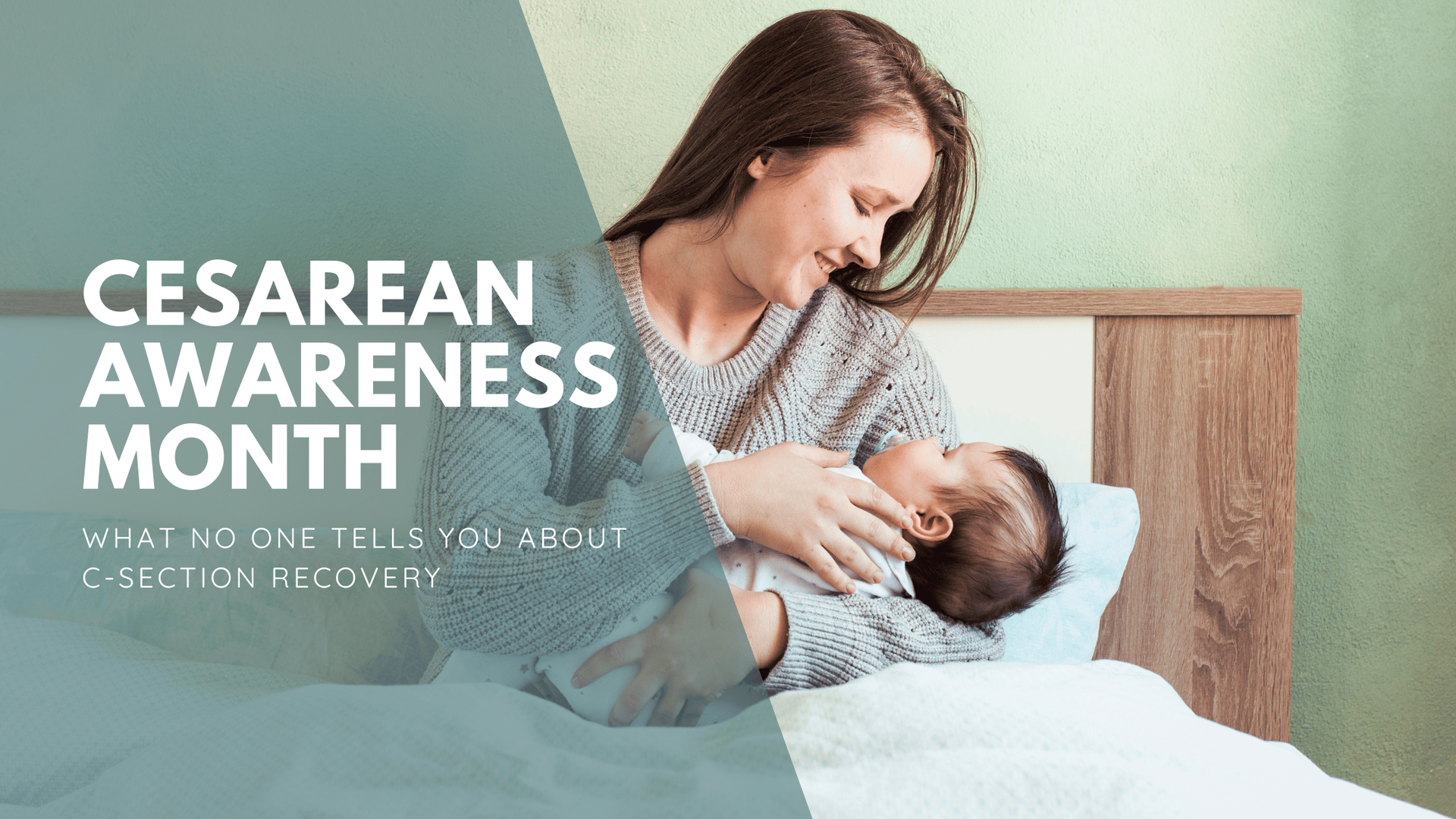
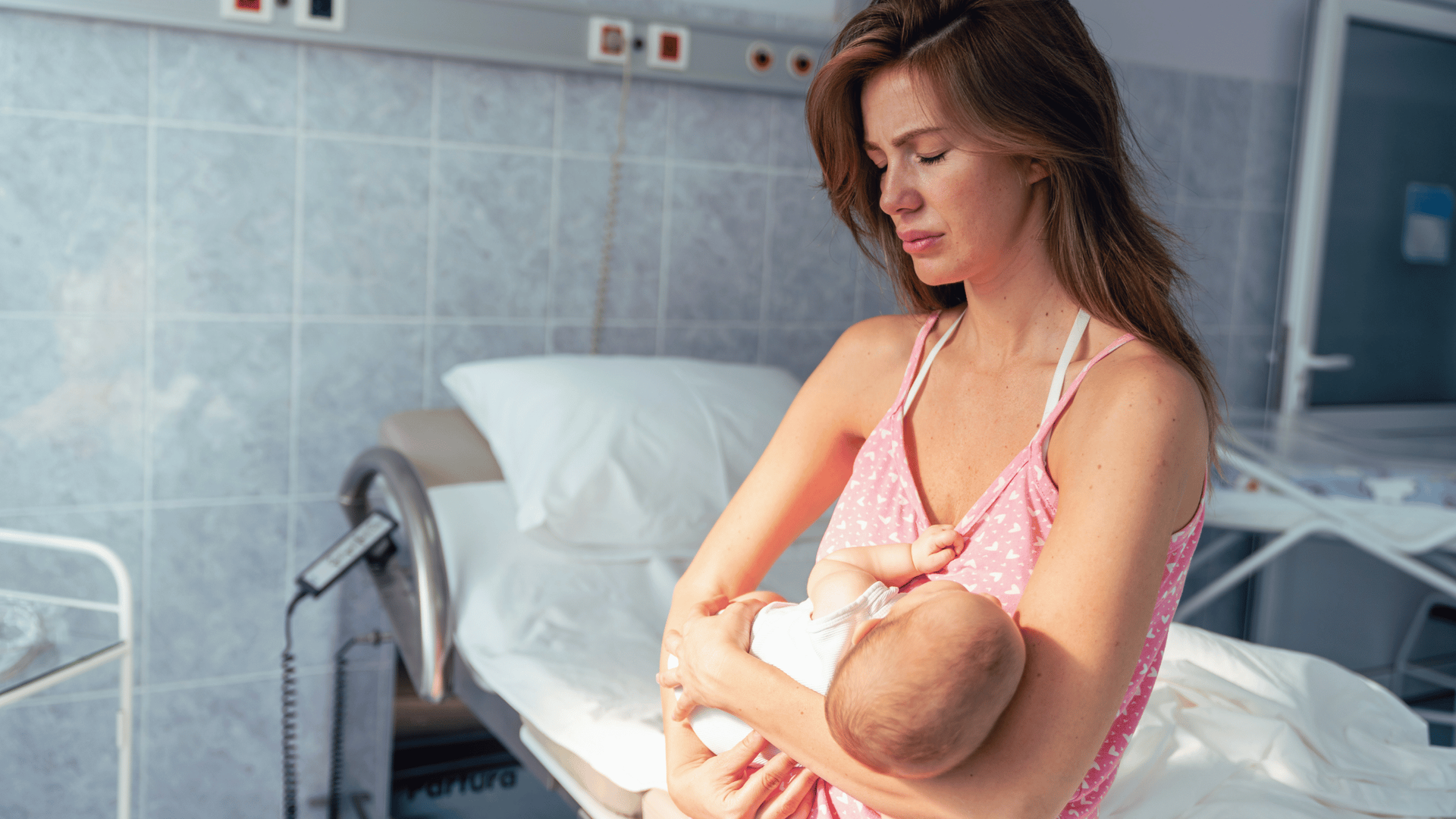
Whether your C-section was planned or a surprise, Cesarean Awareness Month reminds us of something many parents don’t expect: you’re recovering from major surgery while also caring for a newborn.
If you’ve been through it, you know it’s not as simple as just “taking it easy.”
There are a few things you have to worry about.
- Moving without pain (or at least less of it)
- Figuring out how to hold and feed your baby comfortably
- Managing exhaustion while your body is trying to heal
- Navigating emotions you didn’t expect
Let’s look at what C-section recovery really involves, what can help make it easier, and how you can support your body as it heals.
C-Section Recovery Isn’t “Just Rest”: What Healing Really Involves
Let’s be honest. Telling someone to “just rest” doesn’t help much when there’s a newborn to take care of.
Recovering from a C-section means healing your incision, core muscles, uterus, and even your nervous system after a big life change.
At the same time, you’re feeding your baby every few hours, running on little sleep, and getting used to a new role. It’s a lot, so it’s normal to feel overwhelmed.
People often don’t talk about how recovery isn’t always steady. Some days are easier than others, but many days are just tough.
Common C-Section Recovery Struggles
If you’ve faced any of these struggles, you’re not alone, and there’s no reason to worry.
- Sharp or pulling pain when getting out of bed
- Fear of “doing too much” vs. feeling stuck doing nothing
- Difficulty standing fully upright
- Numbness or sensitivity around your incision
- Emotional ups and downs you didn’t expect
- Feeling disconnected from your body
These experiences are a normal part of healing, but that doesn’t mean you have to just “push through it.”
How to Support C-Section Recovery
Let’s talk about some practical steps that can truly help.
1. Rethink rest during c-section recovery.
Rest doesn’t mean you have to stay in bed all day.
You can try these:
- Alternate between short periods of movement and rest.
- Sit upright for short stretches to support your circulation.
- Avoid staying in one position for too long.
Try gentle, intentional movement instead of staying still all day.
2. Protect your core without overdoing it
Your core has just been through surgery and needs some extra support right now.
Here are some tips to help:
- Roll to your side before sitting up to avoid any pain or muscle strain.
- Hold a pillow against your stomach when coughing, sneezing, or laughing to reduce pressure.
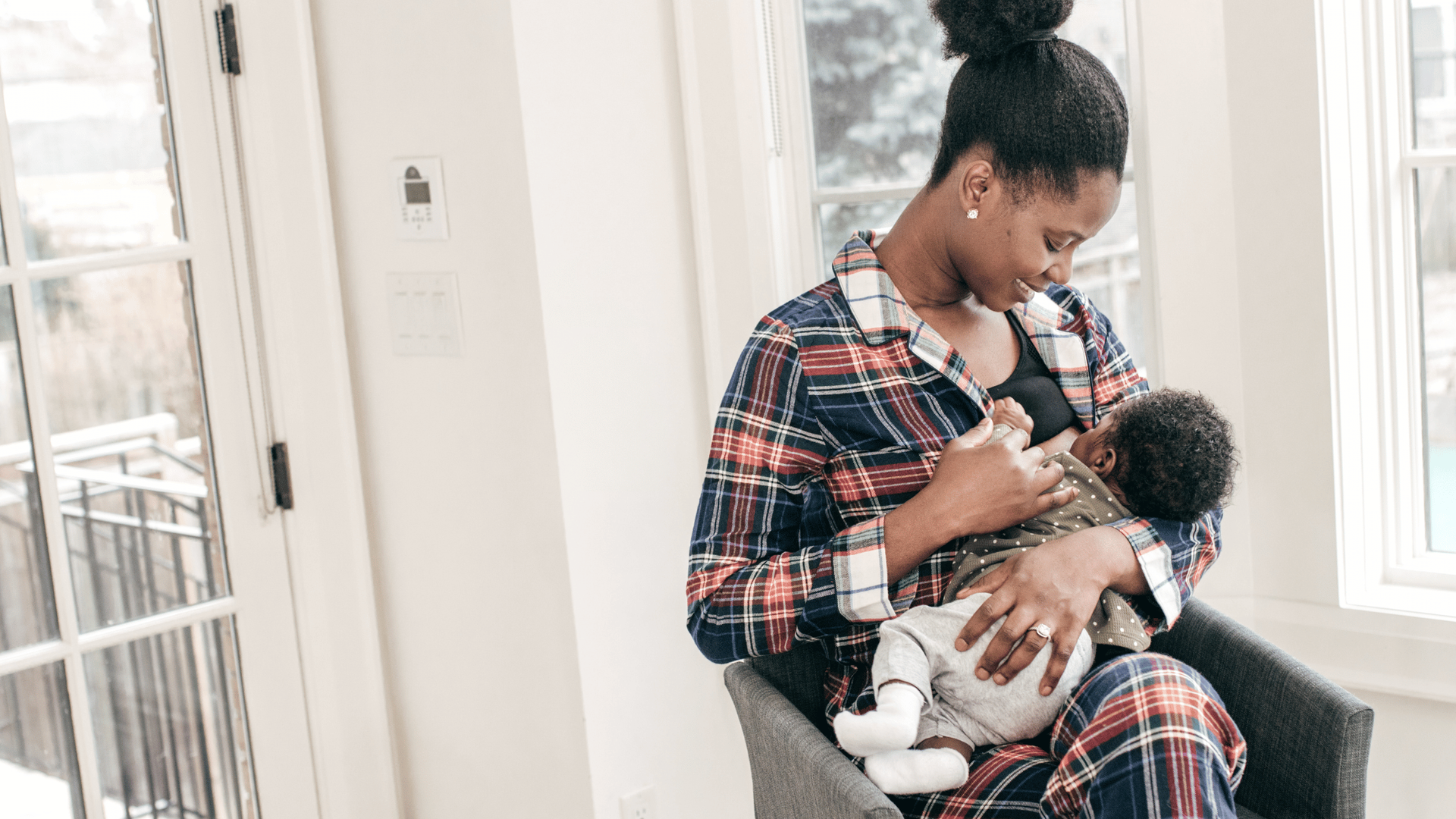
- If you breastfeed your baby, try holding them to the side, like a football.
- Avoiding heavy lifting (yes, even laundry baskets).
If something feels like too much or makes you hesitate, trust that instinct.
3. Set Up Your Space for Easier Healing
Your space should help make things easier for you.
Keep baby supplies close so you don’t have to go far. If you can keep them within arm’s reach of your bed, that’s even better. Having things like diapers, wipes, and extra clothes nearby makes life easier.
Sit in a supportive chair instead of a low, soft couch. We know the couch can be tempting, but it’s harder to get up from it.
If your home has stairs, try to avoid using them. If you need something, ask someone else to get it for you.
Remember to keep things you need or want close by. You might keep a basket next to your bed with a charger, snacks, lotion, or anything else that helps you feel better. And keep your water bottle close. Staying hydrated is important!
4. Plan for real support.
Many parents find this part tough. You need more than just general help. You need specific, proactive support.
That could be:
- someone taking care of meals, dishes, and light cleaning
- help with baby care so you can sleep
- guidance on how to move, sit, feed, and recover safely
- emotional support when things feel heavy
Don’t be afraid to ask for exactly what you need, so no one has to guess. You don’t have to be bossy, but being specific is the most helpful thing.
And if you’re reading this to support someone who’s pregnant or postpartum, offer specific help instead of just saying, “Let me know what you need.”
5. Pay Attention to Your Mental and Emotional Recovery
C-section recovery involves your emotions as much as your body.
You might feel grief if your birth didn’t go as planned, worry about healing or your baby, or have moments of disconnection and overwhelm. For some parents, these feelings can turn into postpartum depression or anxiety, so it’s important to know the signs and pay attention to how you’re really feeling.
These experiences are more common than people admit. They’re not your fault, and they don’t mean you’re doing anything wrong.
You deserve support for your feelings, not just the message that “a healthy baby is all that matters.”
The Truth About C-Section Recovery
You don’t need to “bounce back.” You need time, support, and space to heal. With support, everything can feel different.
Support helps you feel more confident, reconnect with yourself, and enjoy your baby even more.
That’s what we’re aiming for.
Postpartum Support Changes C-Section Recovery
The right support means you don’t have to figure out recovery on your own. Support gives you:
- Guidance on safe movement and healing
- Help with overnight care so you can sleep
- Someone noticing when something feels “off”
- Emotional support without judgment
Support can turn recovery from something you just survive into something you feel steady and confident about.
Ready for a More Supported Recovery?
If you’re getting ready for a C-section or recovering now, you don’t have to go through it alone.
Reach out today to learn how a postpartum doula can support your C-section recovery, help you get more rest, and empower you to care for your baby with confidence from the start.
This time isn’t just about getting by. It’s about feeling supported every step of the way.
FAQ
How long does C-section recovery really take?
Most physical healing takes about 6 to 8 weeks, but full recovery, including core strength and energy, can take several months.
Is it normal to still feel pain weeks after a C-section?
Yes, some discomfort, tightness, or sensitivity can last for weeks or even months. If you have sharp or worsening pain, check with your provider.
Do I really need help after a C-section if I’m “doing okay”?
If you want to heal well instead of just getting by, support can make a big difference in your recovery, sleep, and overall experience.