Mental Health Awareness Month: Protecting Your Postpartum Wellbeing
Mental Health Awareness Month: Protecting Your Postpartum Wellbeing
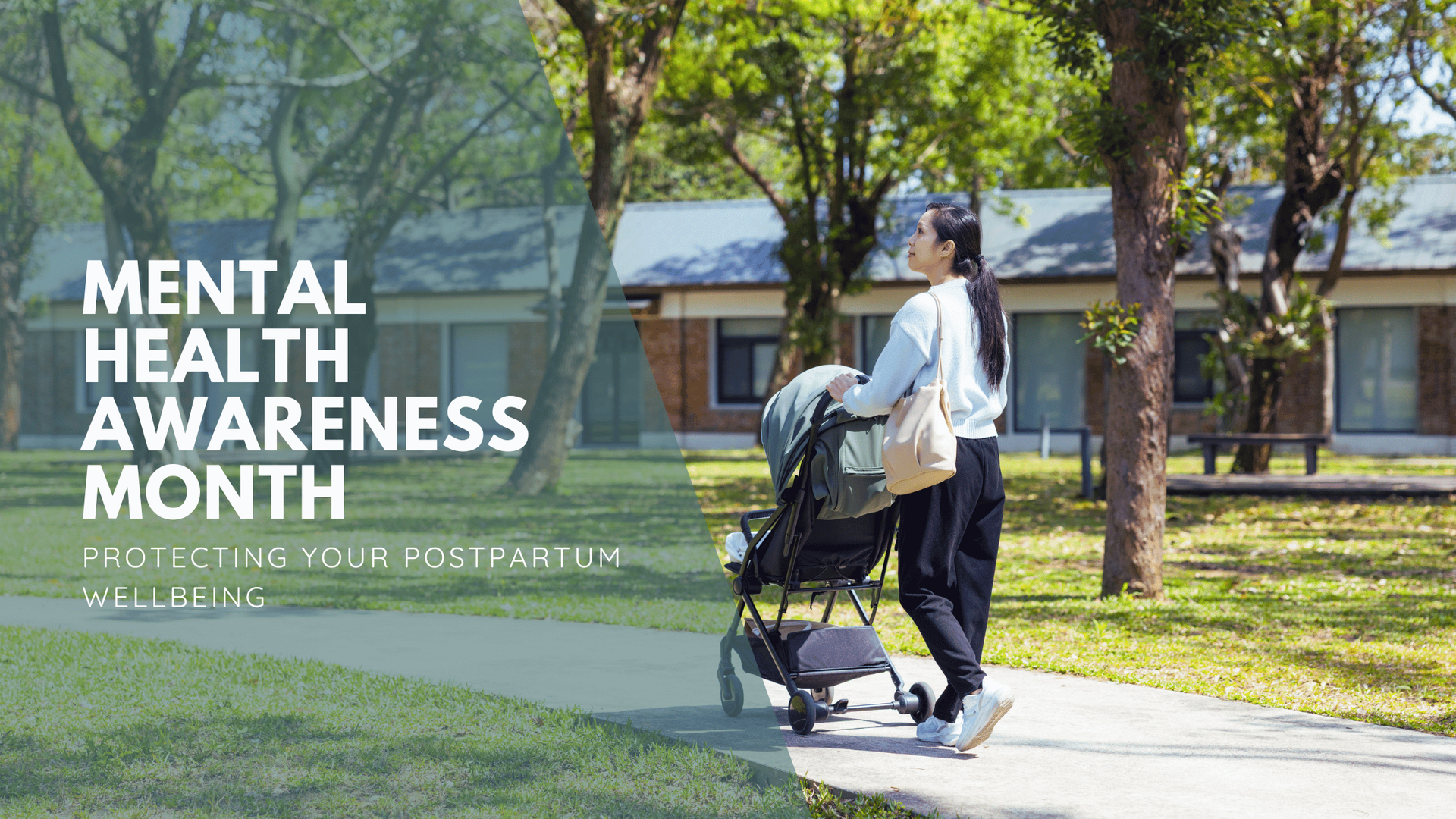
Most people expect sleepless nights, diaper changes, and a steep learning curve when they bring home a baby. But many are surprised by how much their mental health can change in the weeks and months after birth.
Mental Health Awareness Month is a good time to talk about something that affects more families than most people realize: postpartum mental health.
If you’re pregnant, recently had a baby, or are supporting someone who has, we want you to know what’s normal, what isn’t, and how to find the support you need.
Why Postpartum Mental Health Deserves More Attention
Postpartum is a big life change. Your body is healing, your sleep is interrupted, your hormones change a lot, and your sense of self can shift quickly.
That’s a lot for anyone to handle at once.
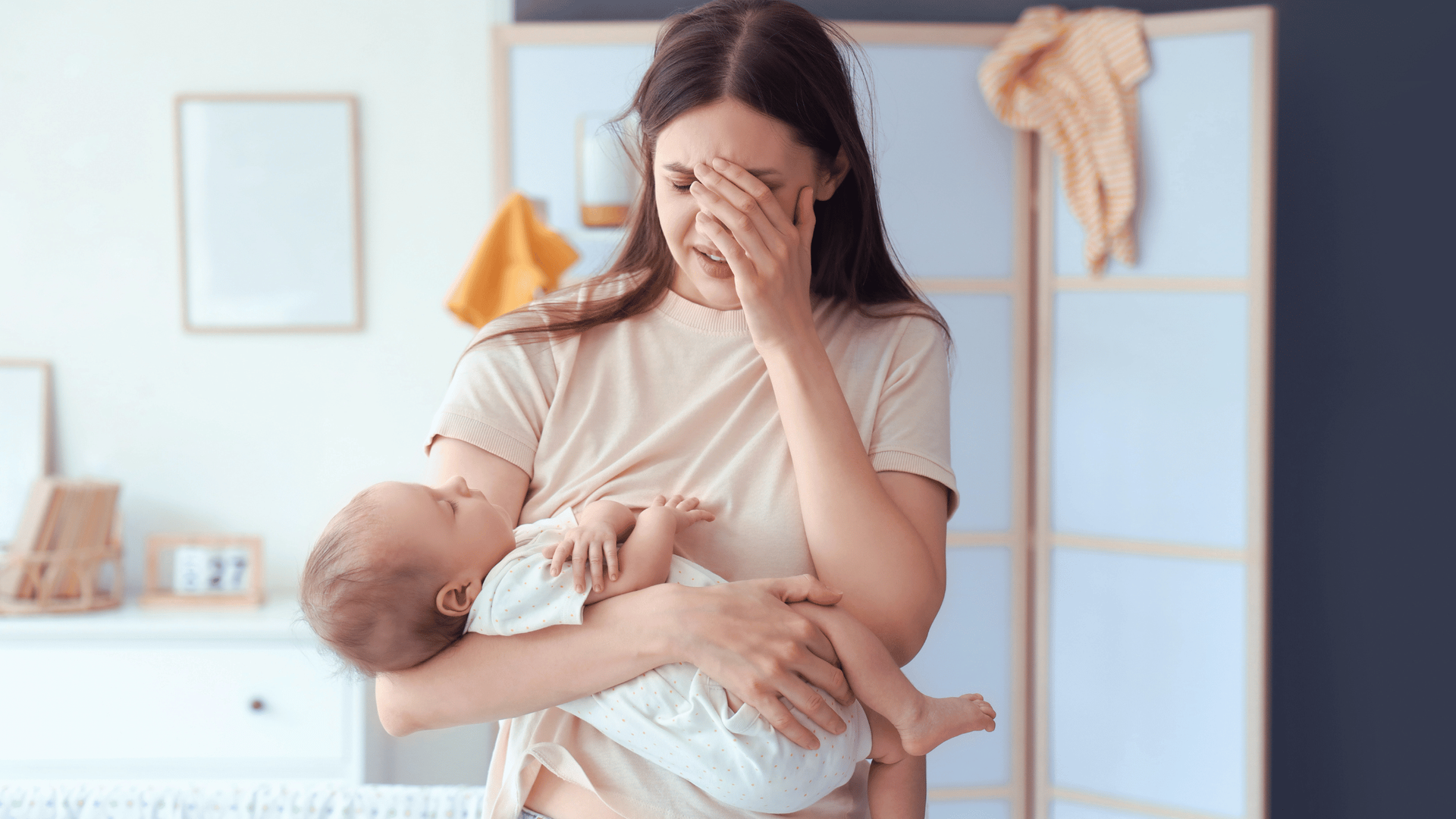
Still, many parents feel they should be grateful, happy, and enjoying every moment. When tough emotions come up, they might feel confused or even ashamed.
Here’s the simple truth: It’s common to struggle with your mental health after having a baby, and getting support can make a big difference.
The Emotional Reality of Early Postpartum
Most new parents expect to feel tired, but not everyone is ready for the emotional ups and downs that can come with it.
You might experience:
- Mood swings or irritability
- Feeling overwhelmed by small tasks
- Anxiety about your baby’s safety or your recovery
- Difficulty sleeping, even when the baby sleeps
- Feeling disconnected from your old self
- Unexpected sadness or crying
Having these feelings doesn’t mean you’re doing anything wrong. You’re going through a big physical, hormonal, and emotional change.
Baby Blues vs. Postpartum Mood Disorders
Knowing the difference can help you decide when it’s time to ask for help.
Baby Blues (Very Common)
Many parents go through the baby blues in the first one or two weeks after birth.
Common signs:
- Crying easily
- Feeling emotional or overwhelmed
- Mood swings
- Sensitivity or irritability
These feelings usually get better as your hormones settle and you start to find a routine.
Postpartum Mood & Anxiety Disorders (PMADs)
If these symptoms last longer, get stronger, or make daily life hard, it could be a postpartum mood disorder.
These can include:
- Postpartum depression
- Postpartum anxiety
- Postpartum OCD
- Postpartum PTSD
These are medical issues, not personal failures.
Signs of Postpartum Depression to Know
Learning the signs is one of the best ways to look after your mental health.
Watch for:
- Persistent sadness or hopelessness
- Loss of interest in things you normally enjoy
- Feeling numb or disconnected
- Constant guilt or feeling like a bad parent
- Changes in appetite or sleep unrelated to baby care
- Feeling overwhelmed all the time
- Intrusive or scary thoughts
- Difficulty bonding with your baby
If any of this sounds familiar, you’re not alone, and there’s nothing wrong with you.
Getting support can really help.
Why Early Support Changes Everything
A lot of parents wait until they feel totally overwhelmed before reaching out for help, but it’s better to care for your mental health early instead of waiting for a crisis.
Getting help early can lower your risk of burnout and resentment, and help you sleep and recover better. It also helps protect your relationship with your partner, even if you’re not thinking about that right now. Support can boost your confidence as a parent and help you enjoy this time, not just get through it.
Support isn’t just for emergencies. It’s something that helps keep you well.
Practical Ways to Protect Your Postpartum Mental Health
You don’t need a complicated plan. Simple, realistic support often makes the biggest difference.
Try to protect your sleep whenever you can, even if it means accepting help or changing your expectations.
Let others help with meals and housework so you can focus on healing and caring for your baby.
Find time to talk honestly about how you feel, instead of keeping it all inside.
Try to spend time outside or in natural light when possible, and reach out to professionals who can guide and support you.
Most importantly, don’t feel like you have to do everything by yourself. No one is meant to go through postpartum alone.
The Role of Postpartum Support
One of the hardest things after having a baby is feeling like everything depends on you.
Support changes that.
When parents get steady support after birth, they often feel less anxious and get more rest. They also have a safe place to talk about their feelings and get advice before small worries turn into bigger problems.
You Deserve Support, Not Just Survival
Mental Health Awareness Month is a reminder that your well-being is just as important as your baby’s.
You deserve rest and reassurance. You also deserve support before things get overwhelming. Postpartum isn’t a test of how much you can handle alone. It’s a season that deserves care, community, and compassion.
If you’re getting ready for postpartum or are in it now, having support can make this time feel steadier, calmer, and easier to manage.
Get in touch to learn about support options for your recovery, your sleep, and your mental health.
Ask for help before things get tough. You don’t have to wait.
FAQ
Is it normal to struggle emotionally after having a baby?
Yes. Emotional changes are extremely common because of hormones, sleep deprivation, and life transitions.
How long do baby blues usually last?
Typically 1–2 weeks postpartum. If symptoms continue or worsen, it may be time to seek additional support.
Can partners experience postpartum mental health challenges too?
Yes.
Partners can also experience depression and anxiety during the postpartum period.