Postpartum Crockpot Chili Recipe - Freezer Friendly!
McKayla Broadhurst
Postpartum Crockpot Chili Recipe - Freezer Friendly
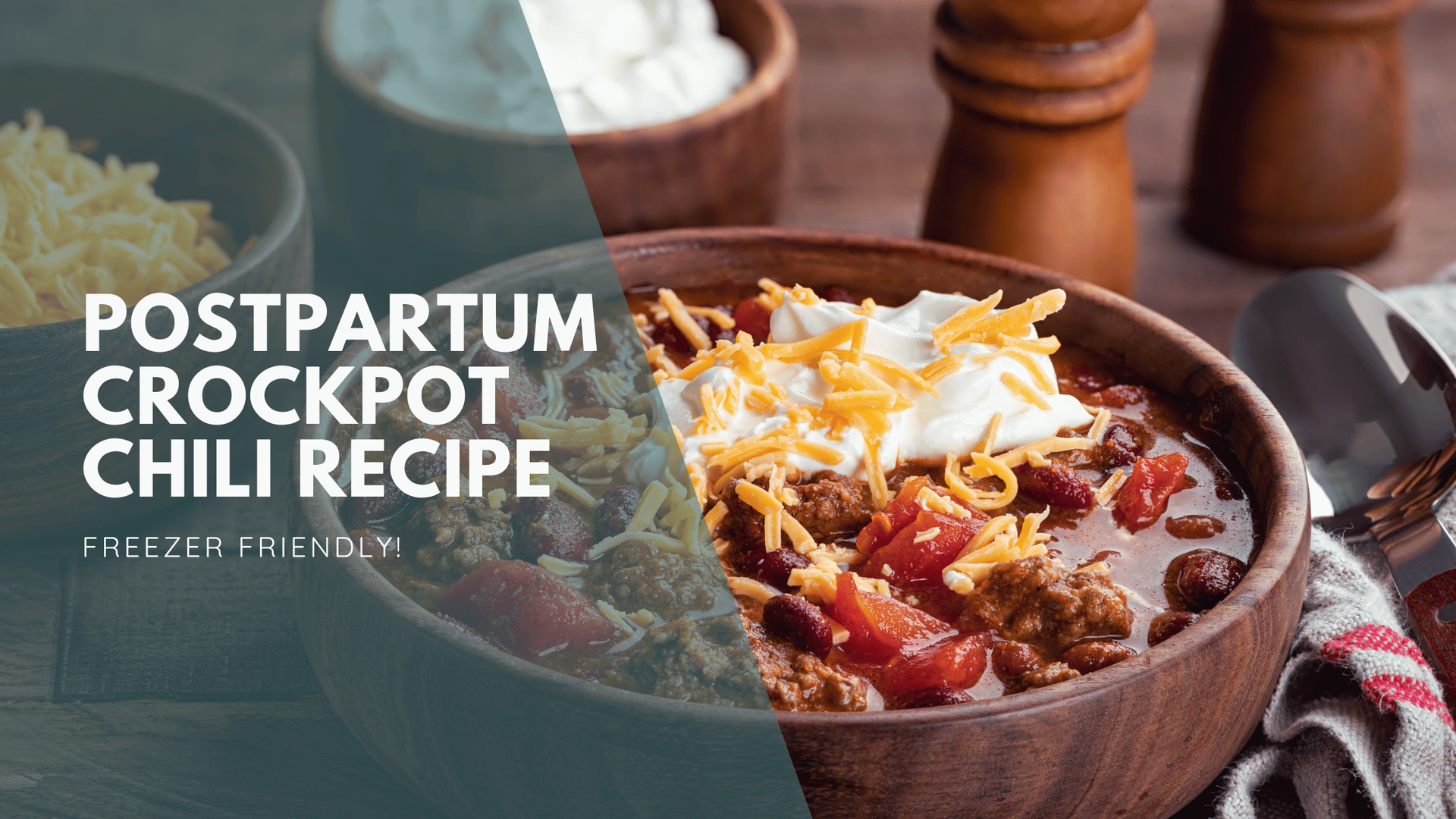
A hearty, nutrient-dense meal for recovery, energy, and real-life postpartum days. Delicious, nourishing, and freezer-friendly - my favorite things!
Why this meal works in postpartum
This is one of those meals that just makes sense after having a baby. It takes minimal effort, it’s filling, and it’s actually supportive to your body while you're healing.
- High in protein and iron → supports tissue healing, replenishes blood loss, and helps stabilize energy
- Balanced carbs and fiber → keeps blood sugar steady, which is important for both mood and energy.
- Warming and grounding → ideal in early postpartum, when your body needs warm, easy-to-digest foods.
- Hands-off cooking → perfect for exhausted parents or a postpartum doula stepping in to take something off your plate.
This is also a great “make once, eat multiple times” meal, which is exactly what most families need in those early weeks.
Ingredient highlights (why they matter)
- Ground beef and sausage: They give you iron, protein, and fats for recovery and sustained energy.
- Beans: You get fiber and a plant-based protein for digestion and fullness.
- Olive oil: It’s a healthy fat that supports hormone production.
- Fire-roasted tomatoes: They add more flavor and vitamin C, which helps with iron absorption.
- Spices (cumin, chili powder, paprika): They add warmth and support digestion, and they make it taste like real, enjoyable food, not just "recovery food."
Ingredients
- 1 lb ground beef
- 1 lb ground sausage
- 1 yellow onion, diced (red onion works well here too!)
- 1 red bell pepper, diced
- 1 can fire-roasted diced tomatoes
- 3 cans beans (black, kidney, white), drained - can switch beans up if desired
- 1–2 tbsp olive oil
- 1 tsp cumin
- ½ tsp smoked paprika
- 1–2 tbsp chili powder
- 1 tsp garlic powder
- Salt and pepper to taste
Instructions
Stovetop and Slow Cooker Method:
- Heat olive oil in a pan over medium heat.
- Sauté diced onion and bell pepper for 3–5 minutes, until softened.
- Add ground beef and sausage, cook until fully browned.
- Transfer everything to a slow cooker.
- Add beans, tomatoes, and all spices.
- Stir well to combine.
- Cook on low for 4–6 hours.
Instant Pot Method (preferred for fewer dishes):
- Use the sauté function to heat olive oil.
- Sauté onion and bell pepper for 3–5 minutes.
- Add ground beef and sausage, cook until browned.
- Add beans, tomatoes, and spices directly into the pot.
- Stir well.
- Either:
- Use the slow cook function (4–6 hours).
- Or use the chili setting to speed up the process.
Postpartum-friendly tips
- Freezer-friendly: make a double batch and freeze in portions for easy reheating.
- Flavor gets better over time: this is even better the next day.
- Easy for support people to make: simple steps, hard to mess up, perfect for partners or doulas.
- One-handed meal: serve in a bowl or mug for easy eating while holding baby.
Optional add-ins (if you want to level it up)
- Avocado for extra healthy fats
- Add a bone broth packet for extra minerals and healing support
- Add veggies like zucchini or carrots for more nutrient density

Bringing your NICU baby home can bring relief, anxiety, and unexpected emotions. Learn how to navigate life after discharge and care for yourself, too.

Discover the truth about postpartum weight loss and breastfeeding, why the weight may not “melt off,” and how to support your body with grace and nourishment.

Learn what breastfeeding parents really need during the postpartum period, including practical help, rest, emotional support, and ways partners can help.

Feeling anxious when you try to rest postpartum? Discover why downtime can spike stress and learn practical, expert-backed strategies to truly reset your mind and body.

Wondering how long postpartum recovery takes? Discover why bouncing back is a myth and what realistic healing after baby looks like.

Wondering if postpartum support is worth it when your partner is home? Discover how added help reduces stress and protects recovery.
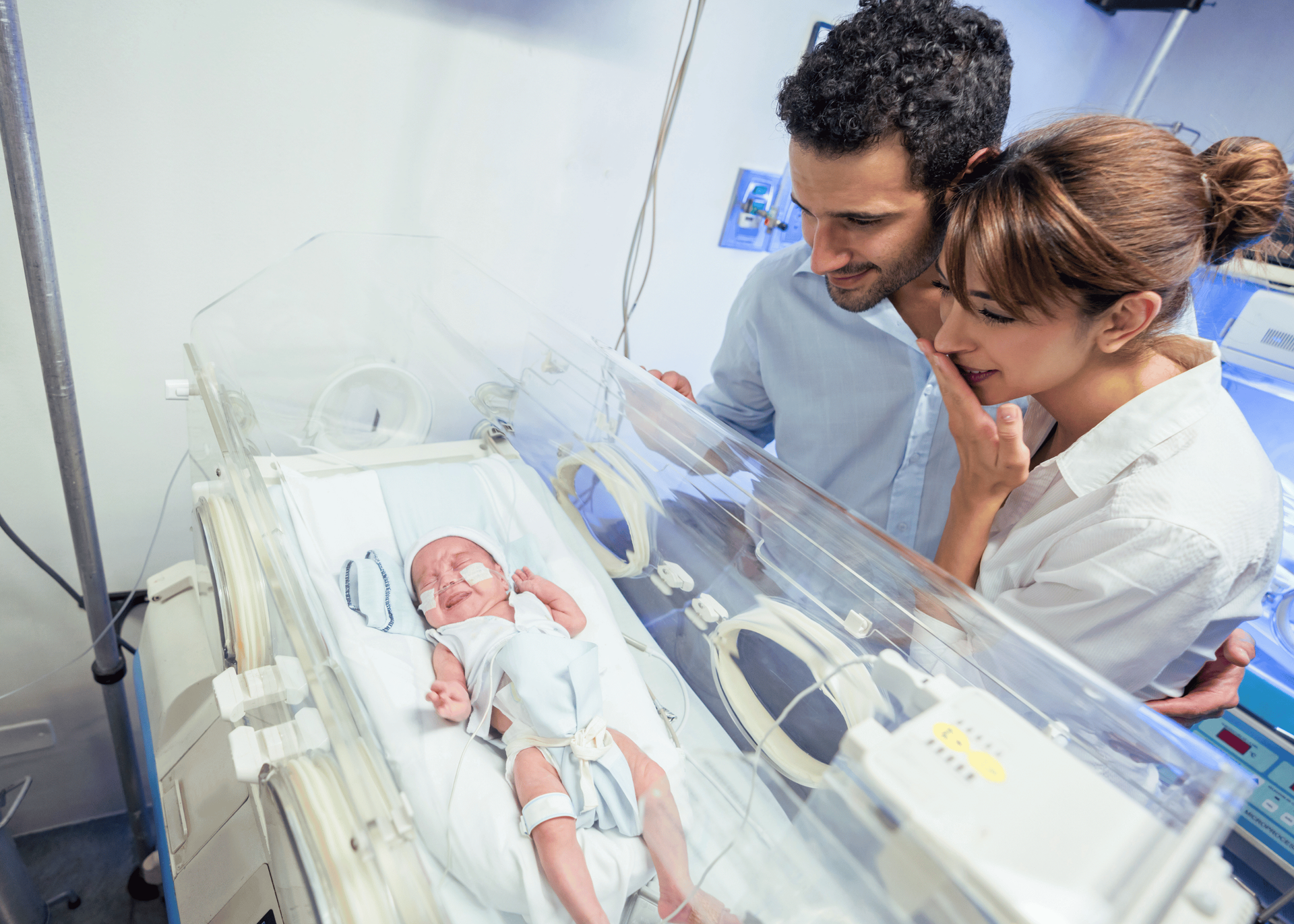
Learn how to help a NICU family in practical, meaningful ways. Discover what NICU parents really need, what to say, and how to offer support that truly makes a difference.

Struggling with the decision to switch to formula? We want to remind parents that feeding your baby is about love, not guilt. Protecting your mental health matters, and formula can support your family.

Learn how to set healthy postpartum boundaries with family and friends, protect your peace after birth, and confidently say “no” to visitors without guilt using these practical scripts and tips.

Postpartum resentment is more common than you think. Learn why new parents often feel angry at their partner, what causes the tension, and ways to reconnect in the fourth trimester.