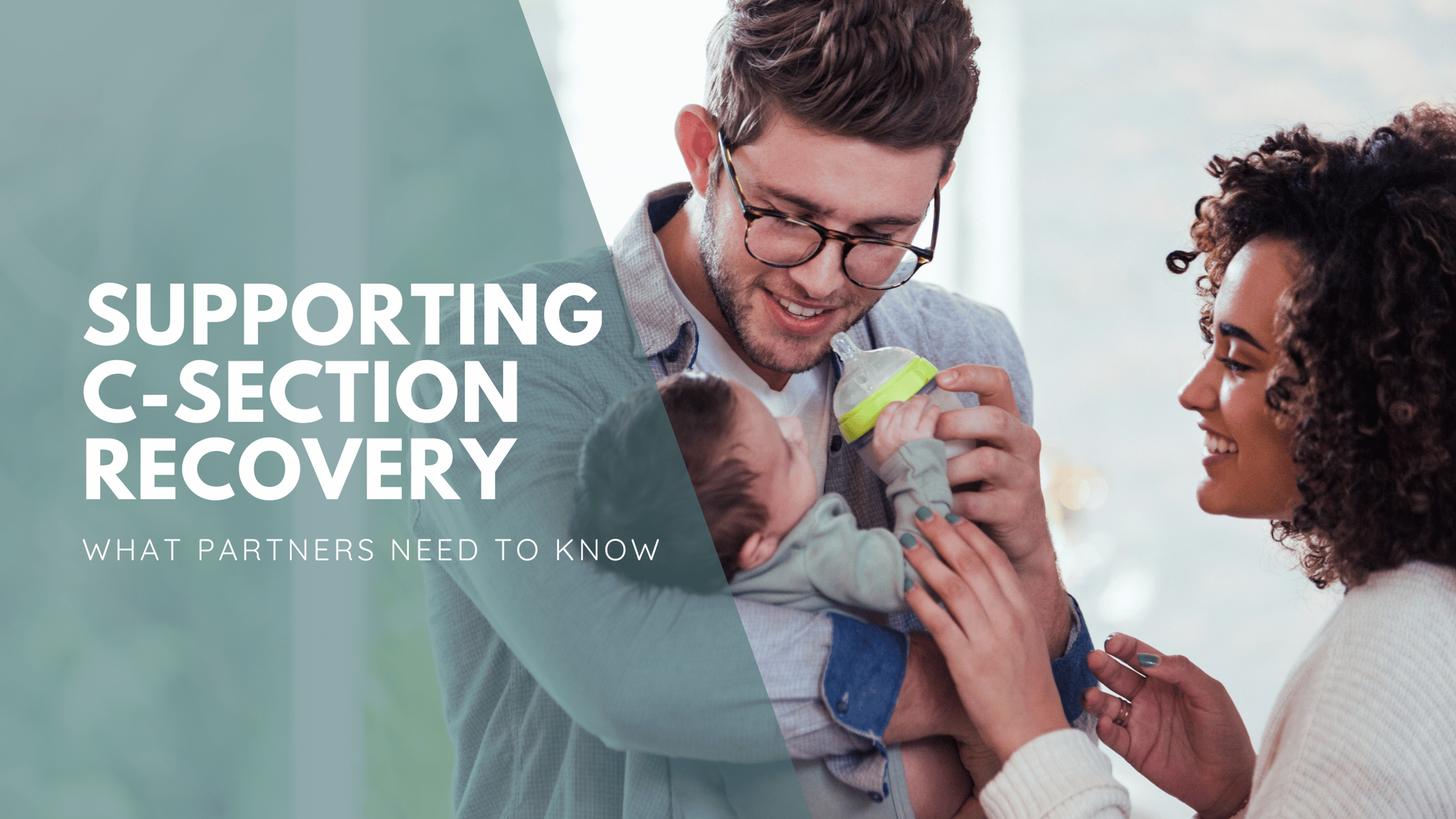
Supporting C-Section Recovery: What Partners Need to Know
Supporting C-Section Recovery: What Partners Need to Know
Many partners are surprised by how intense C-section recovery actually is.
There’s a new baby, and with that comes joy and excitement, but there’s also a surgical incision through the skin, muscle, and uterus.
Your partner isn’t “just a little sore.” Their body is healing from a major medical event while also:
- not getting enough sleep
- feeding a newborn around the clock
- dealing with massive hormone shifts
- processing a life-changing transition
Treat recovery with the same seriousness as any major surgery. This isn’t about being dramatic. It’s about being realistic.
What Help Actually Looks Like
In the early weeks, your partner shouldn’t have to manage the household, the mental load, and recovery. Practical help means taking ownership, not waiting for instructions.
Here are some things you can do:
- handle meals, dishes, laundry, and pet care
- manage visitors and set boundaries
- be the “default parent” when you’re home
- keep water, snacks, medications, and baby supplies stocked nearby
If your partner has to organize the help, it’s still work. Your main job is to reduce obstacles so your partner can heal.
Protecting Sleep = Protecting Healing
Sleep deprivation hits harder after surgery. Pain tolerance and emotional resilience drop, and healing slows down. They need sleep.
Partners play a huge role in protecting sleep, especially overnight.
This might look like:
- taking a full shift with the baby after feeds
- handling diaper changes and resettling
- bringing the baby to your partner for night feeds
- encouraging daytime naps without guilt
Sleep is essential for medical recovery. It’s not a luxury.
Be the Gatekeeper of Healing
Your partner may feel pressure to “bounce back.” You can help protect them from that pressure.
That means limiting visitors when needed, encouraging rest, watching for signs they’re doing too much too soon, and reminding them that their only jobs are healing and bonding.
This is temporary, but it’s incredibly important.
Emotional Recovery Is Real, Too
C-section recovery isn’t only physical. Your partner may be processing:
- grief about how birth unfolded
- fear about their body and healing
- anxiety about caring for a newborn
- feelings of guilt, disappointment, or overwhelm
Even when surgery is necessary, and everyone is healthy, emotions can still be complicated.
What can you do?
- Listen without fixing.
- Validate feelings instead of minimizing them.
- Reassure them they didn’t fail.
- Encourage professional support if mood changes persist.
Healing involves the mind, heart, and body.
You Don’t Have to Do This Alone
Many partners feel pressure to be and do everything, but support systems exist for a reason.
Postpartum doulas, family help, meal support, and community care can dramatically reduce stress on both parents.
Asking for help shows you take recovery seriously, as you should.
Reach out to us to talk about how we can support both you and your partner during postpartum.
The Bottom Line
Your partner just had surgery and a baby at the same time. You can’t just “help when asked.” You have to actively protect their recovery.
When partners step into that role, the entire postpartum experience becomes safer, calmer, and more supported for everyone.
FAQ
How long does C-section recovery actually take?
Initial recovery takes about 6–8 weeks, but full healing can take several months. Fatigue and emotional recovery often last longer than expected.
Is it normal for emotions to feel intense after a C-section?
Yes. Hormone shifts, sleep deprivation, and birth experiences can create big emotional swings. Persistent sadness or anxiety should be discussed with a professional.
How can I support breastfeeding after a C-section?
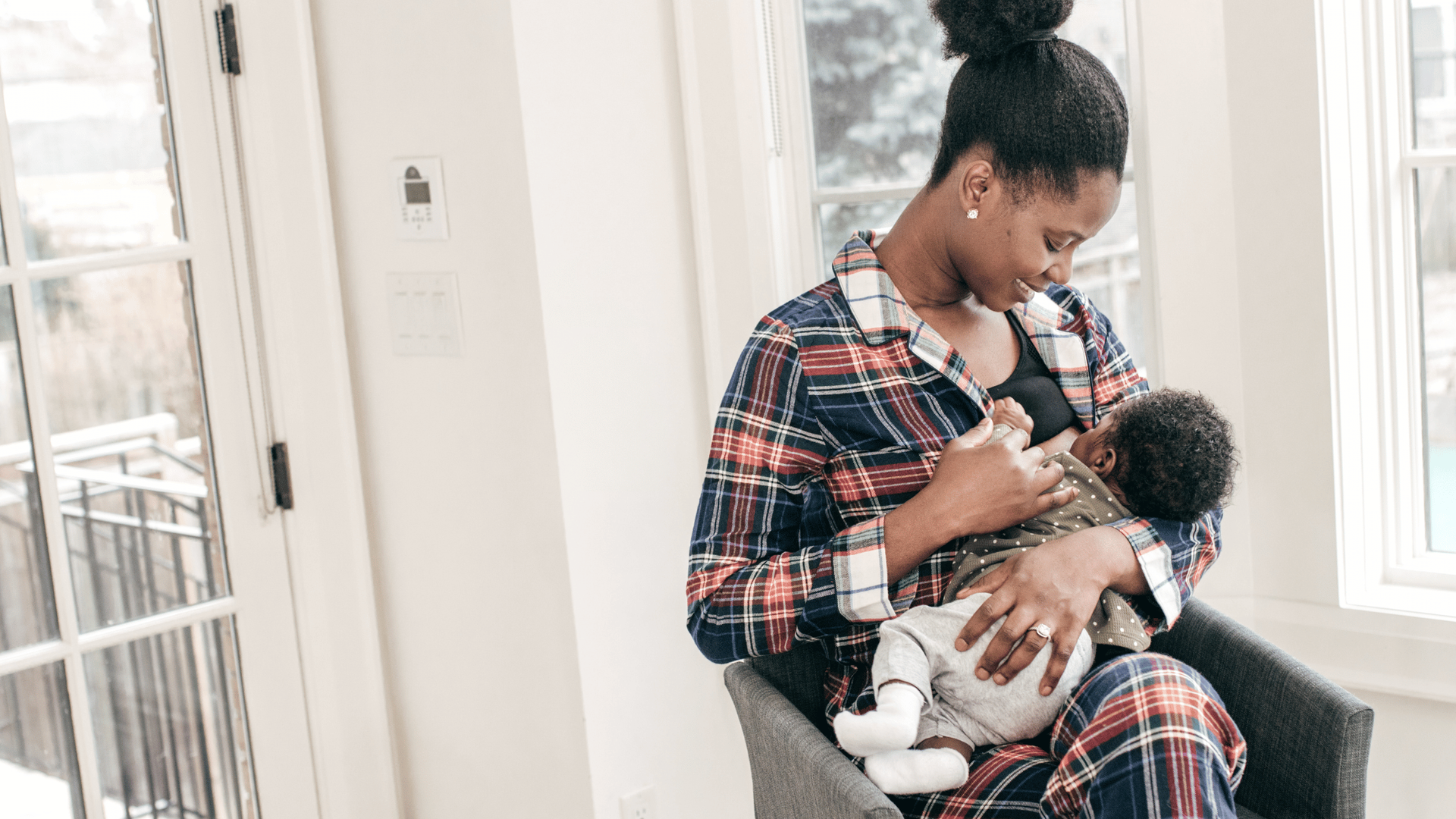
Help with positioning, bring the baby for feeds, burp and change diapers, and ensure your partner stays hydrated and nourished.