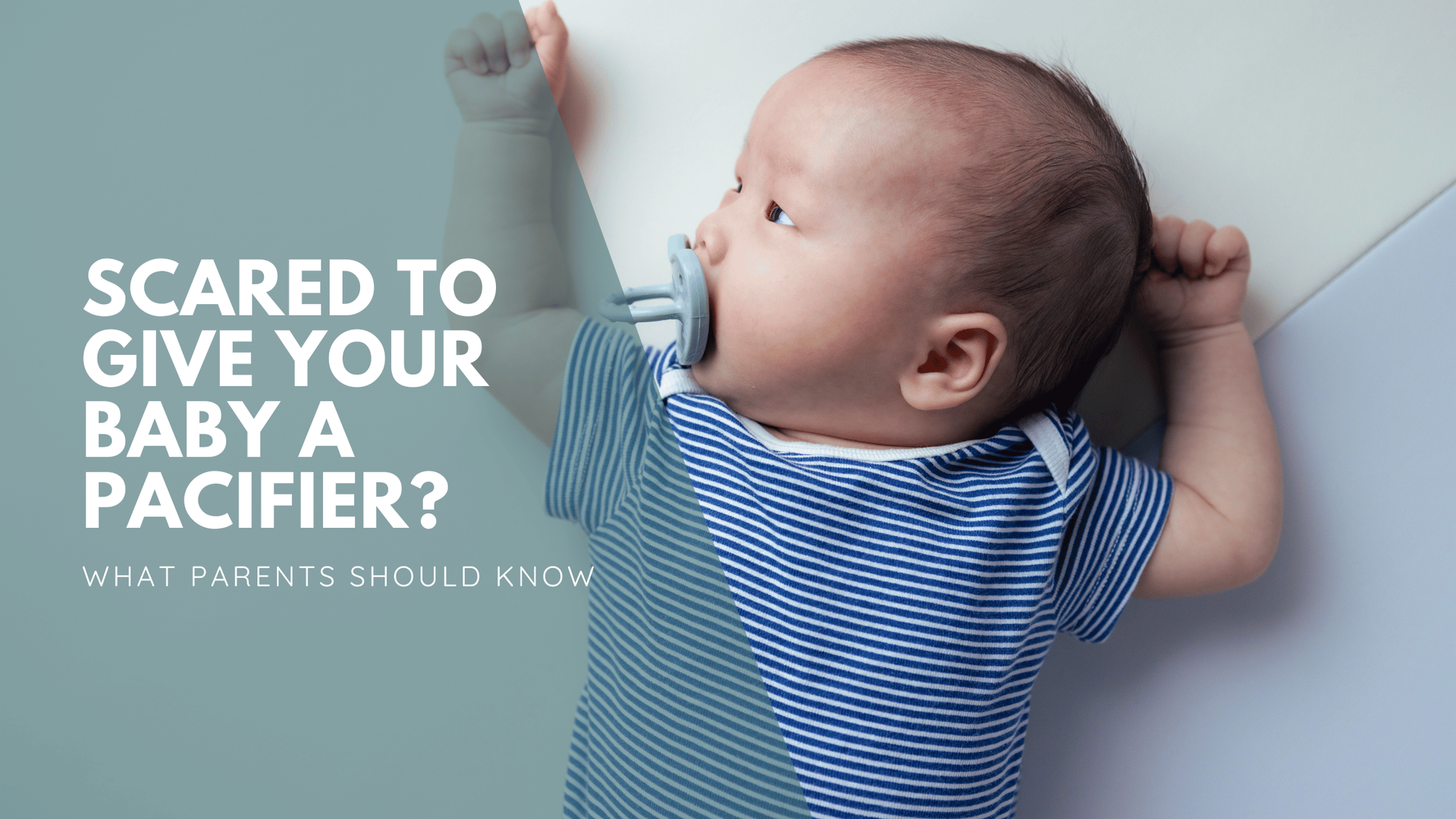
Scared to Give Your Baby a Pacifier? What Parents Should Know
Scared to Give Your Baby a Pacifier? What Parents Should Know
A lot of parents hesitate when they first start thinking about giving their baby a pacifier.
You may have heard mixed advice. One person says it will ruin breastfeeding. Another person says it’s worth it. Someone else says it will become a habit that’s impossible to break later.
If that’s you, we get it, and it’s understandable. A lot of new parents feel unsure about pacifiers early on.
Pacifiers can be helpful in many situations. It’s less about whether you use one and more about how and when.
Why Pacifiers Can Be Soothing for Newborns
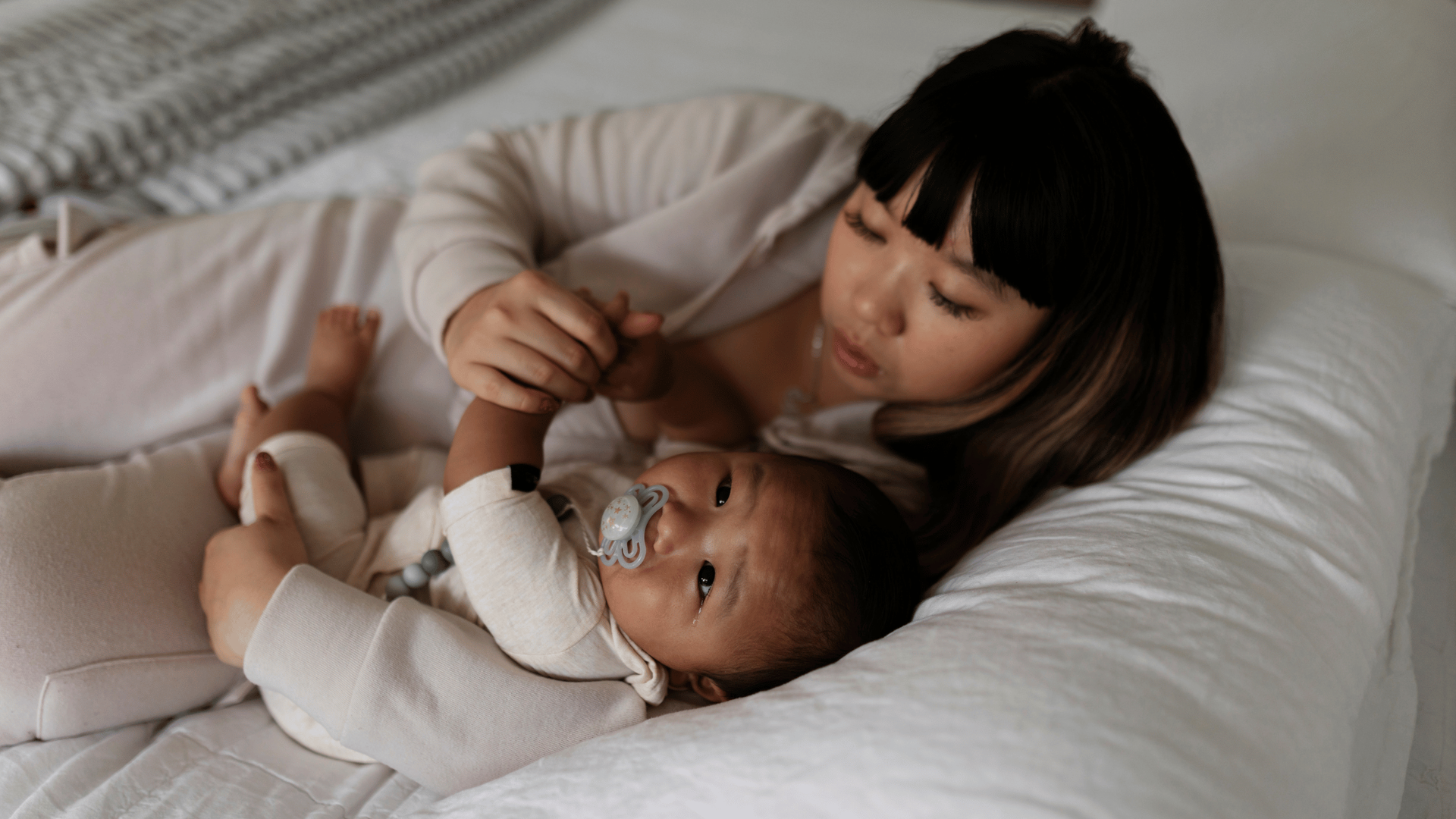
Newborns are born with a strong sucking reflex. It’s what helps them feed, but it also helps calm their nervous system.
You might notice your baby sometimes keeps sucking even after they’ve finished eating. They may want comfort, help settling into sleep, or just a way to regulate when they’re feeling overstimulated.
A pacifier can meet that need without them being fed again.
Parents often notice it helps during certain moments, like when a baby is trying to fall asleep, riding in the car, or just feeling fussy in the evening.
Some babies use a pacifier a lot. Others only occasionally use it. Some aren’t interested at all.
There’s really not a “right way” to use it. It just depends on what works for your baby.
The Breastfeeding Concern
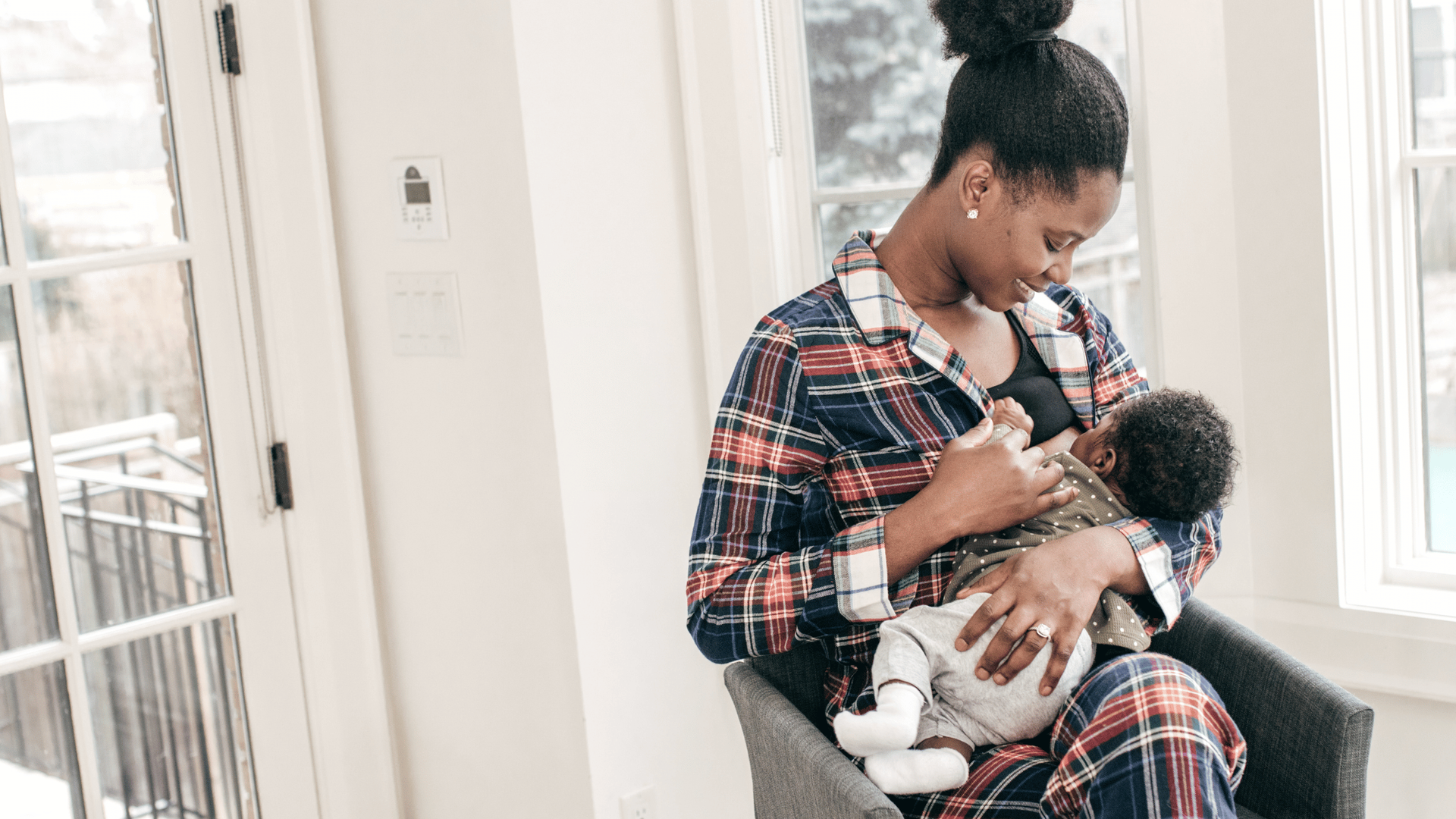
One of the biggest worries parents have is that a pacifier will interfere with breastfeeding.
This idea usually comes from the idea of “nipple confusion,” where a baby might struggle to switch between a breast and a pacifier.
For most babies, this isn’t a long-term issue, if it’s an issue at all. Once feeding is going smoothly and your baby is gaining weight well, pacifiers usually don’t cause problems.
In the very early days, some families choose to wait until breastfeeding feels established before introducing one. Others find that their baby switches between the two without difficulty.
Every baby is a little different. If breastfeeding is important to you and you’re unsure, talking with a lactation consultant can help you decide when the timing feels right.
It Doesn’t Have to Be All or Nothing
One thing that surprises many parents is that using a pacifier doesn’t have to become a permanent habit.
You can try one and see how your baby responds. If it helps during certain moments, you can keep it as an option. If your baby doesn’t seem interested, that’s fine too.
Some babies love pacifiers right away. Others spit them out repeatedly and never really take to them. And sometimes babies use them for a few months and then lose interest on their own.
There’s a lot more flexibility here than most parents expect.
Trust Your Instincts as You Learn Your Baby
The newborn stage is full of small decisions like this.
You hear advice from friends, family, and the internet, and sometimes it feels like every choice is so critical. In reality, most of these choices are much smaller than they seem.
A pacifier is one of many tools that can help soothe a baby. It’s okay to try it, adjust, and figure out what works for your family as you go. You don’t have to get everything perfect right away.
If you’re getting ready for a newborn and you’re thinking about support, get in touch! We’d love to talk about what that could look like for you.
FAQ
When can you give a newborn a pacifier?
It’s really up to you and your baby. Some families use a pacifier early on, while others wait until feeding is going well. Your baby’s feeding patterns and comfort level can help guide the timing.
Is it bad if my baby depends on a pacifier to sleep?
Many babies use pacifiers for comfort while falling asleep. Sleep habits change a lot in the first year, so this doesn’t necessarily become a long-term thing.
What if my baby refuses the pacifier?
It happens. Some babies simply prefer other ways of soothing and may never take a pacifier.