Postpartum Night Sweats: Why They Happen and What Helps
Postpartum Night Sweats: Why They Happen and What Helps
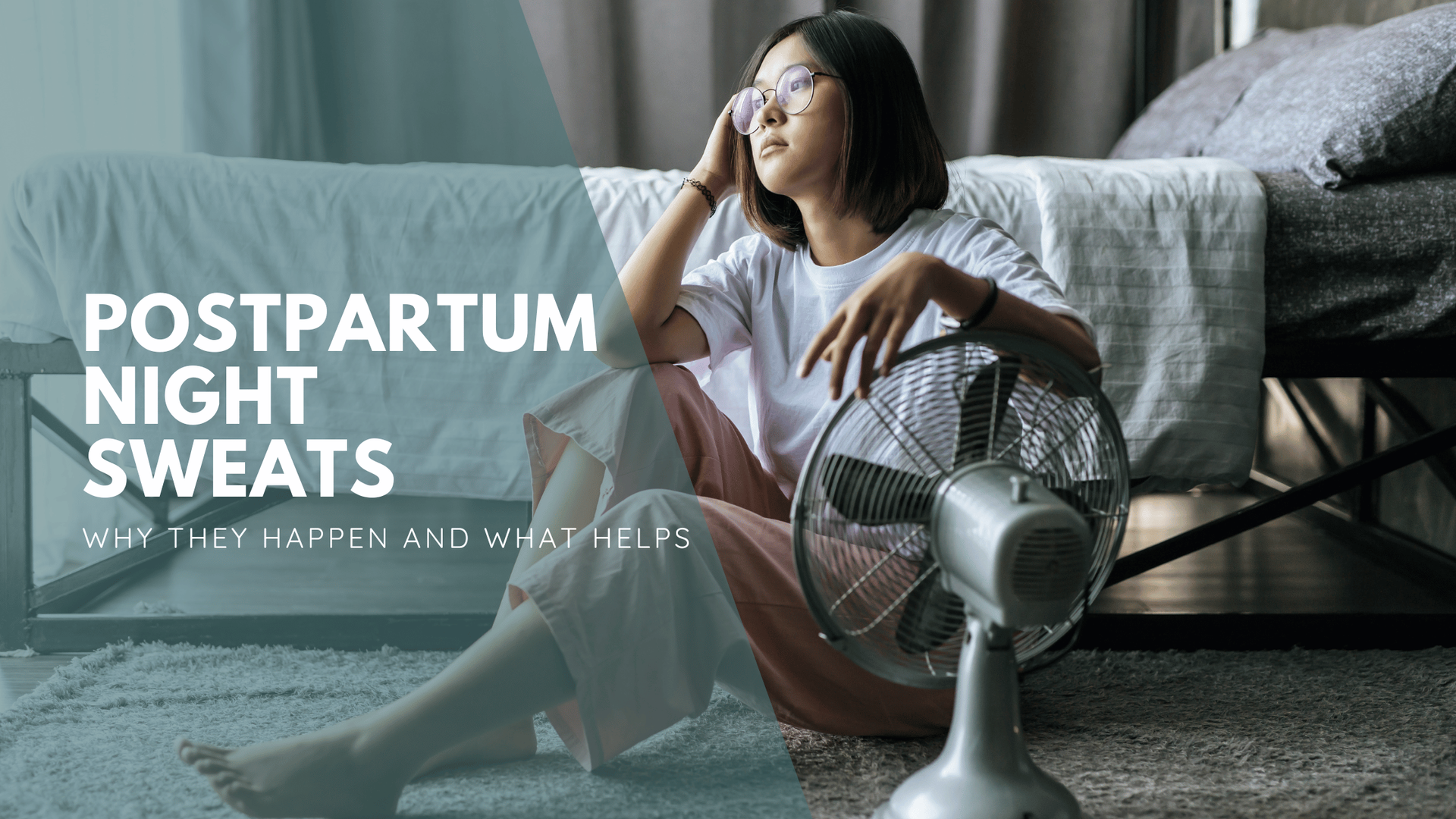
There are a lot of things people warn you about after having a baby, like the lack of sleep, sore muscles, and all the emotions. But one thing that catches many parents off guard is waking up completely drenched in sweat.
You might go to bed feeling fine, then wake up a few hours later, realizing your shirt is soaked (and the pillowcase isn’t much better). Some nights you might even end up changing clothes in the dark just to get comfortable again.
It’s strange if you’ve never experienced it before, and if no one mentioned it to you beforehand, it can feel a little alarming.
It’s so common to get night sweats in the first few weeks after giving birth. For most people, it’s just part of the body adjusting after pregnancy.
Why Postpartum Night Sweats Happen
Pregnancy changes a lot about how your body works. Hormones shift, blood volume increases, and your body holds on to extra fluid. After birth, all of that begins to reverse pretty quickly.
Estrogen and progesterone drop in the days after delivery. At the same time, your body starts releasing the extra fluid it held during pregnancy. Some of that leaves through urine, and some of it leaves through sweat. Unfortunately, that sweating shows up most at night for a lot of parents.
Sleep in the early weeks is also typically lighter and more interrupted. You’re waking up a lot to care for your baby, and your nervous system is on high alert. All of that can make you more sensitive to temperature changes. It’s not surprising that night sweats show up for a while.
What Postpartum Night Sweats Can Feel Like
For some people, night sweats aren’t too bad. You wake up feeling warm and a little sticky. Maybe you turn on a fan, and then go back to sleep.
For others, it’s not that simple. Some parents have to change clothes when they wake up because it’s easier than trying to fall back asleep feeling soaked. Some people sweat so much at night that even their sheets get wet.
Most of the time, this stage shows up in the first few weeks after birth and then gradually fades as hormone levels start to settle again. But it can still be frustrating when you’re already short on sleep.
Small Things That Can Make Nights Easier
You usually can’t stop postpartum night sweats completely. They’re part of how your body rebalances after pregnancy. But a few small changes can make things more comfortable.
Wearing lightweight pajamas can sometimes help. Breathable fabrics like cotton will feel better than fabric that just traps heat. Some parents also keep an extra shirt or towel near the bed. If you wake up sweating, you can change quickly without fully waking yourself up.
Layering your bedding can help too. A thin blanket or extra sheet on top makes it easier to remove a layer instead of remaking the entire bed at 3 a.m.
It’s also important to stay hydrated. Even though your body is releasing fluid, you still need to drink water throughout the day to stay balanced. This is especially important if you’re breastfeeding.
None of these solutions completely stops the sweating, but they can make the nights a little easier while your body adjusts.
When It Might Be Worth Checking In With a Provider
In most cases, postpartum night sweats are harmless and temporary, but there are times when it’s worth mentioning them to your healthcare provider.
If the sweating continues for several months, feels extreme, or happens alongside symptoms like fever, chills, or feeling generally unwell, it’s a good idea to check in.
Most parents won’t need to worry, but it’s always okay to ask if something feels unusual.
Your Body Is Doing a Lot of Work Right Now
The postpartum period is full of changes that aren’t always obvious from the outside. Hormones and fluid levels are adjusting as your body finds its way back to a new normal after pregnancy.
Night sweats are just one part of that process.
They’re uncomfortable and definitely not the most glamorous part of postpartum recovery, but they’re common, and for most parents, they don’t last forever.
In the meantime, rest and support can make a big difference.
If you’re navigating the early weeks after birth and want practical help during postpartum recovery, Utah Postpartum Care is here for you. The right support can make this adjustment feel much calmer. Just reach out any time!
FAQ
Are postpartum night sweats normal?
Yes. It’s typically just hormone changes and the body releasing extra pregnancy fluid.
Can breastfeeding affect night sweats?
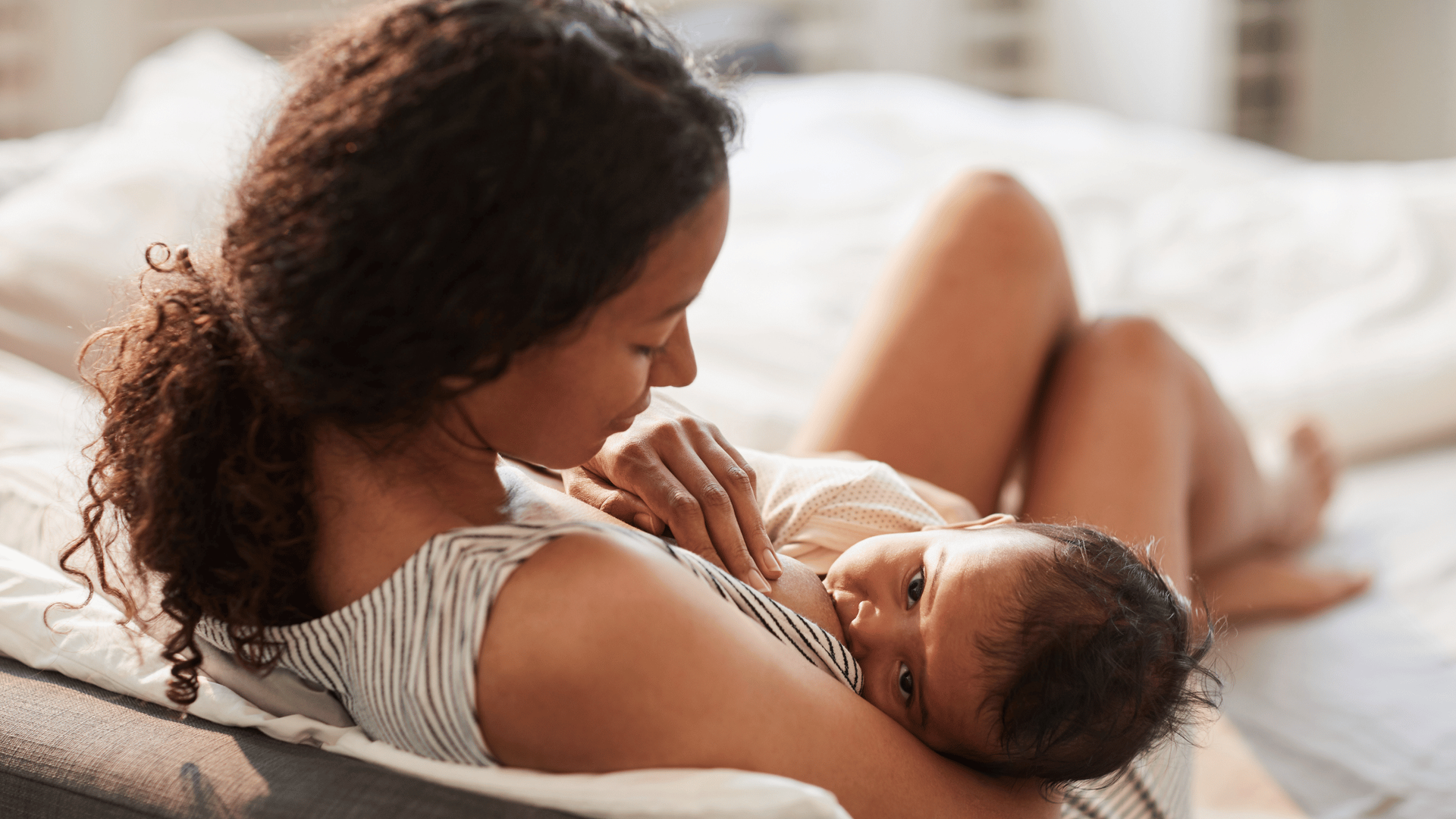
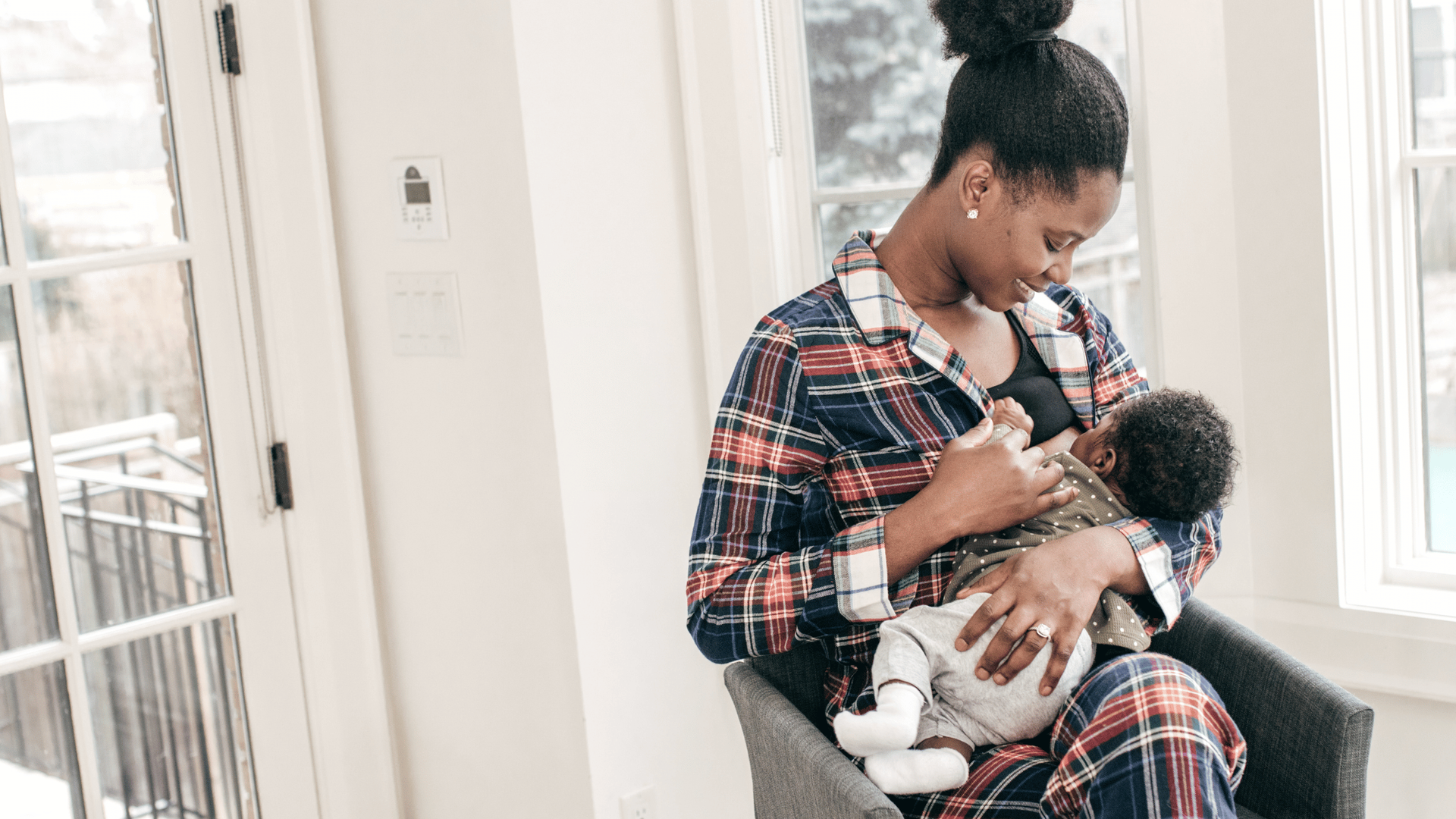
It can. Breastfeeding can keep estrogen levels lower for a while, which may contribute to temperature changes or sweating.
When should I talk to a doctor about night sweats?
If they last for several months or occur alongside fever, chills, or other concerning symptoms, it’s best to check in with your healthcare provider.