Returning to Your Cycle After Baby: Answering Postpartum Period Questions
Returning to Your Cycle After Baby: Answering Postpartum Period Questions
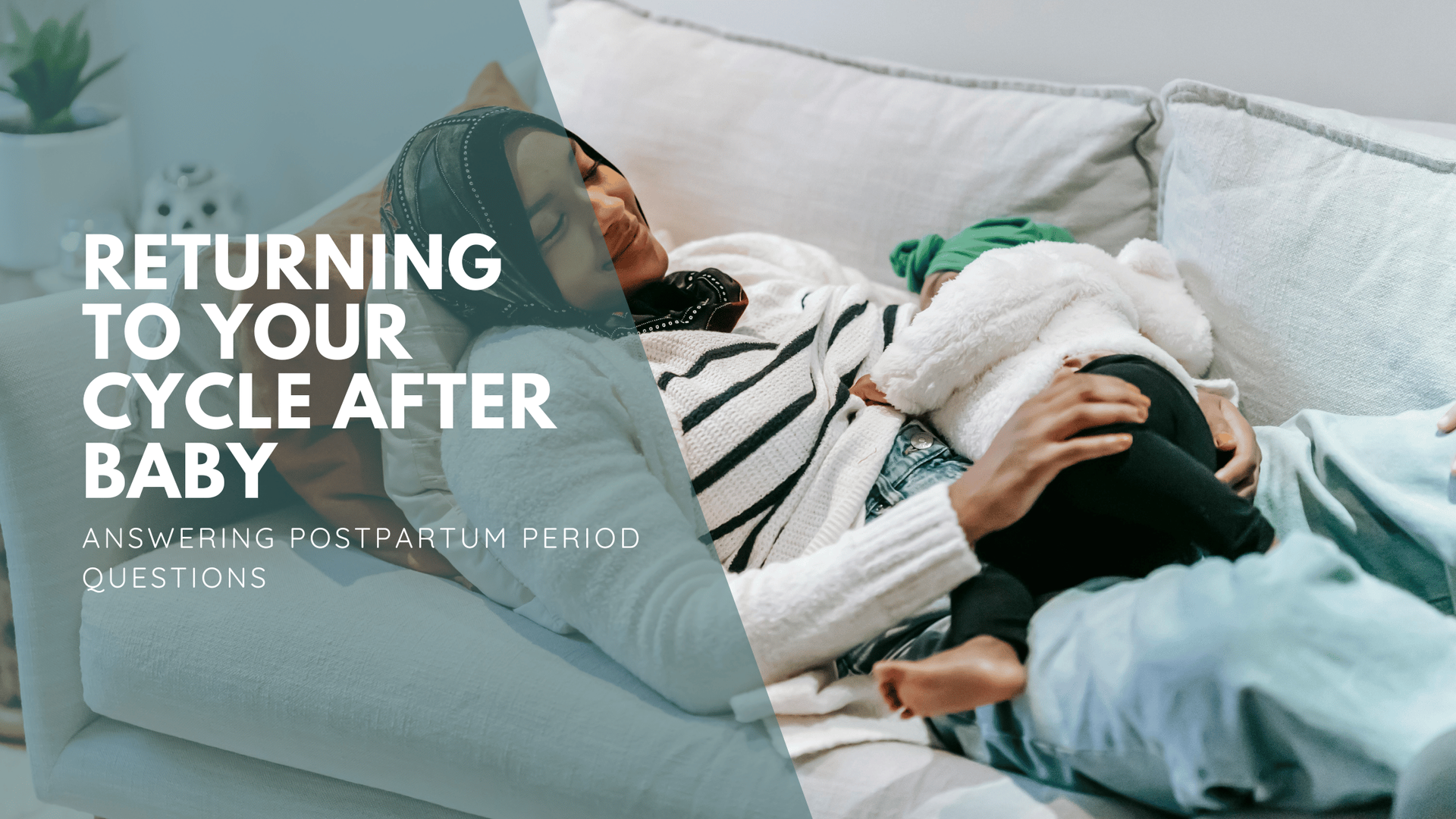
Having a baby changes everything about your life, and your body doesn’t instantly return to normal. Many new parents are surprised by when and how their period returns after birth.
If you want to know what’s normal, how breastfeeding affects your cycle, or what to look out for, we’re here to help answer your questions.
Does Feeding Affect Timing?
The timing of your first postpartum period depends on how you feed your baby:
Breastfeeding:
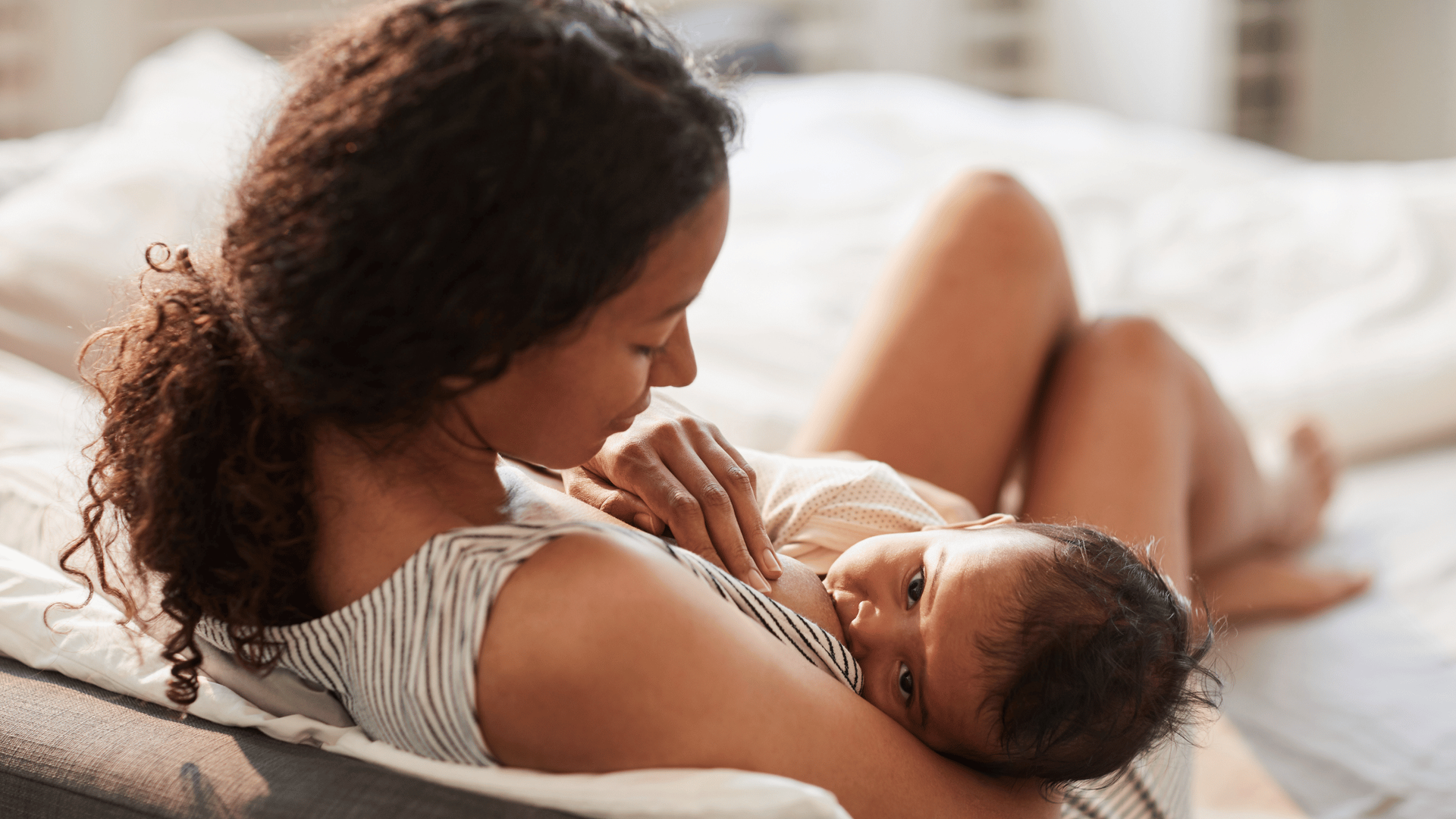
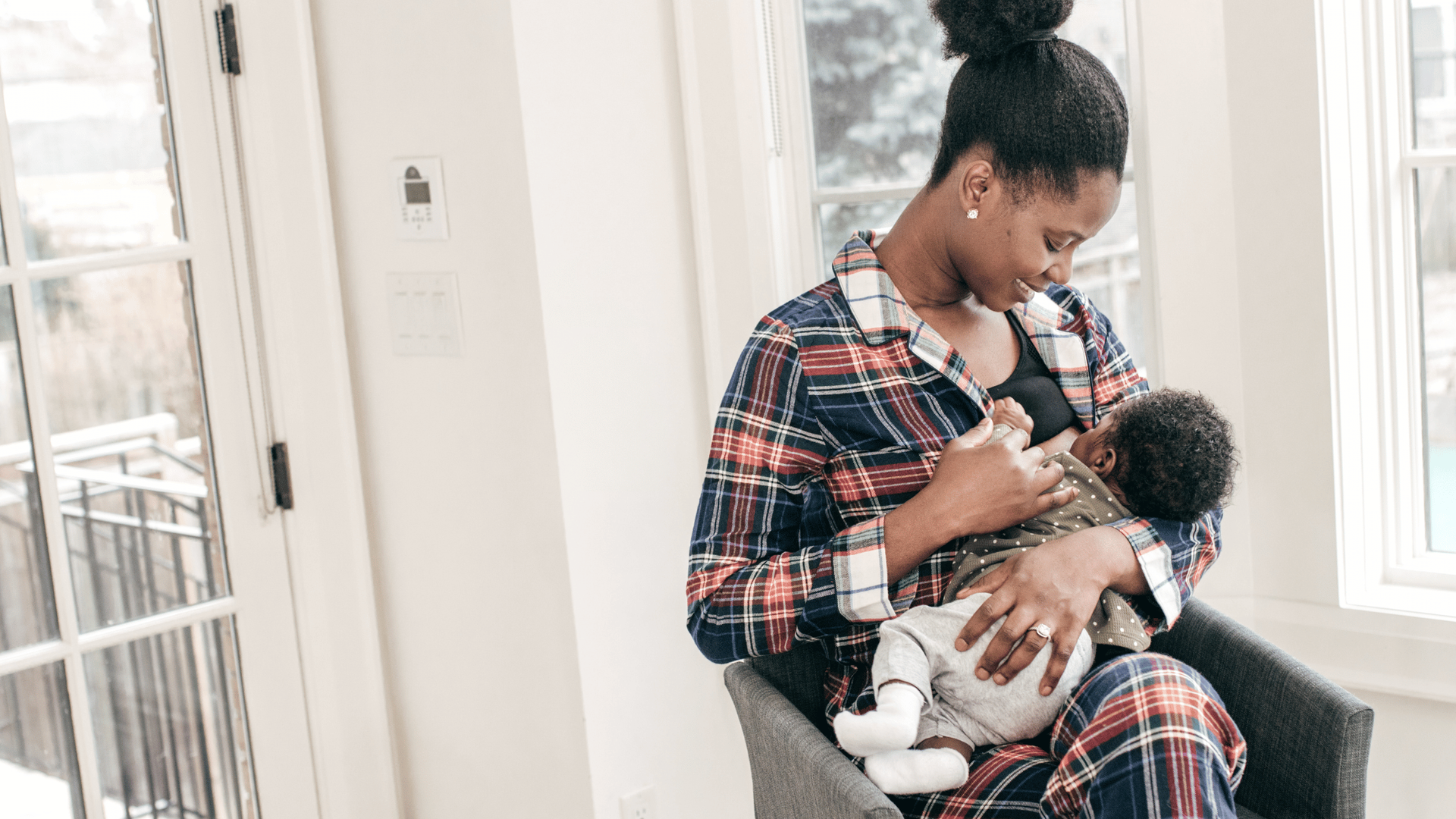
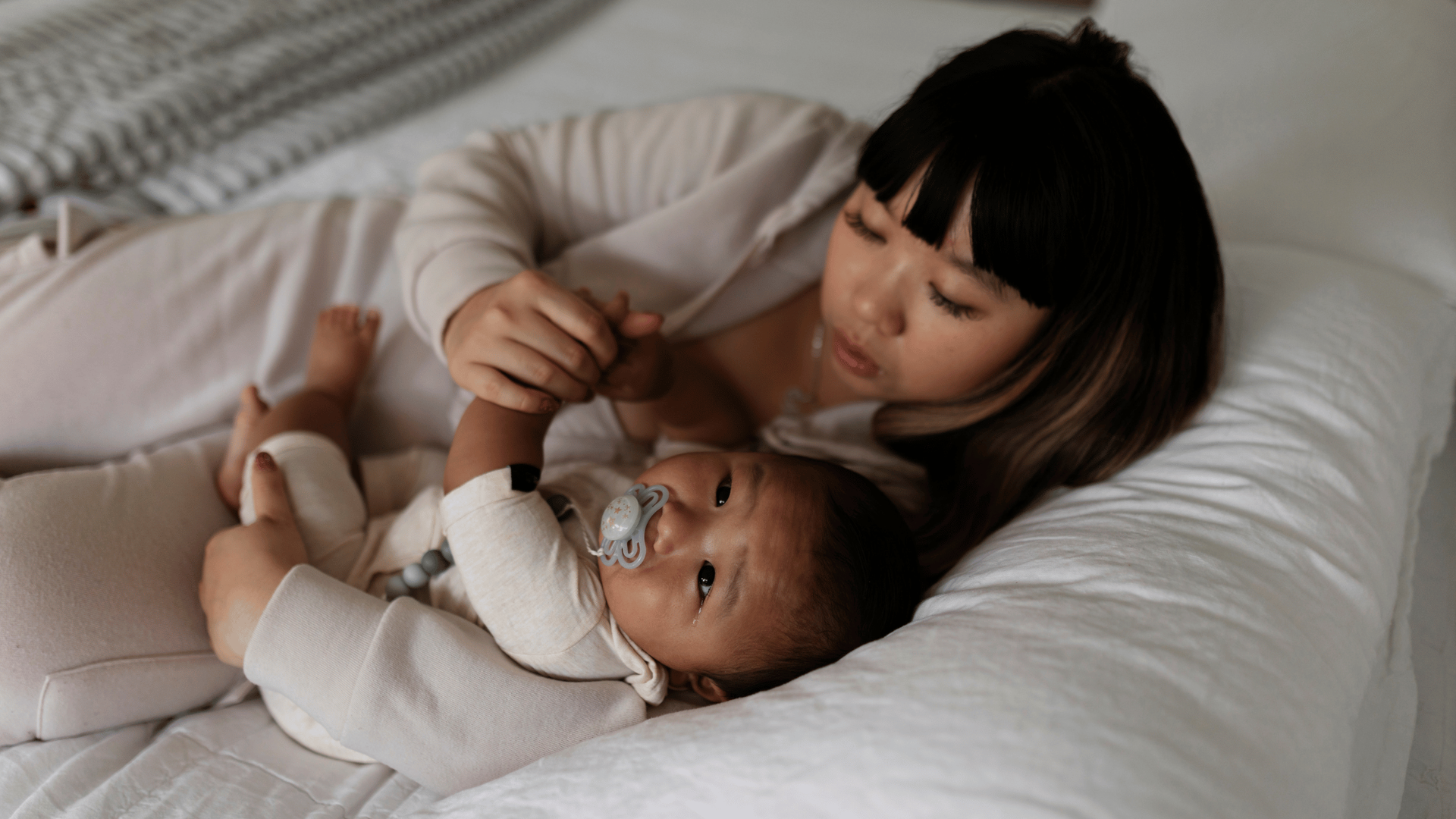
If you exclusively breastfeed, your period may be delayed because of prolactin, the hormone that supports milk production.
Formula or Combination Feeding:
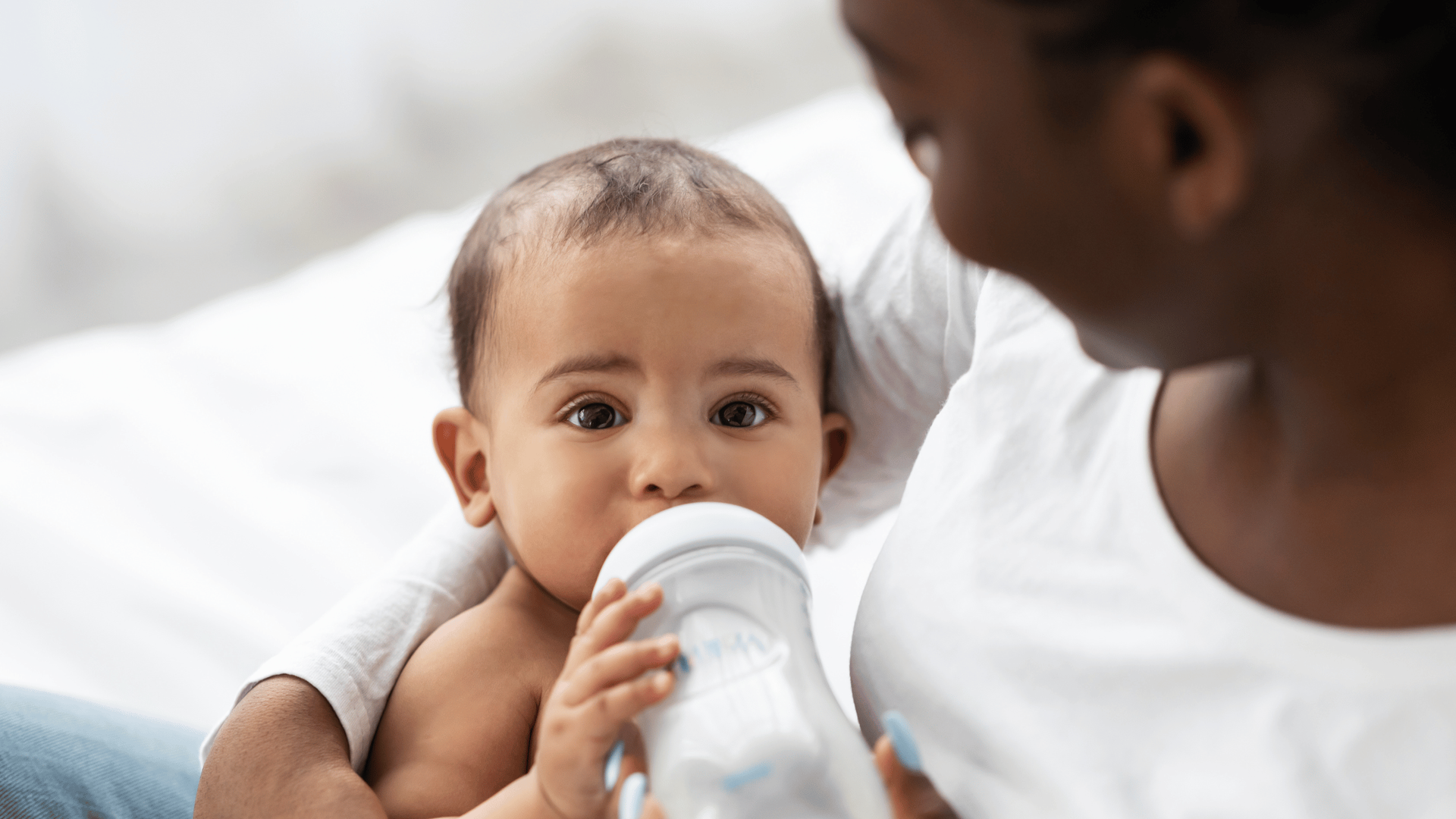
If you formula feed or supplement, you could get your period sooner, sometimes within 6–12 weeks postpartum.
Individual Variation:
Everyone’s body is different. For some people, their period comes back quickly, and others may not have one for several months. Neither is wrong. It’s just your body adjusting in its own time.
What Will Your First Period Be Like?
Your first postpartum period can feel different from what you remember. Expect:
- Heavier or lighter flow: Hormonal changes can make your period feel more intense or surprisingly mild.
- Longer or shorter duration: Cycles may be irregular at first as your hormones readjust.
- Stronger cramps or new PMS symptoms: Your body is adjusting after pregnancy and childbirth.
Your period usually becomes more predictable after a few cycles.
How Does Breastfeeding Affect Your Cycle?
You might wonder how much breastfeeding can delay ovulation. Here’s what happens:
- Exclusive breastfeeding often delays ovulation, but it’s not a foolproof method of birth control. Your fertility can return before your first period, so consider this if you want to avoid another pregnancy.
- Supplementing or pumping can affect your cycle based on how often you do it.
What Are Some Signs to Watch For?
Most postpartum cycles are normal, but know when to contact your provider:
- Periods that never start, especially if you’re not breastfeeding
- Excessively heavy bleeding or clots
- Severe pain or unusual discharge
- Signs of infection (fever, bad smell)
Checking in with your healthcare provider can reassure you if nothing’s wrong and also catch any concerns early.
Any Tips for Managing Your Postpartum Cycle?
- Track your cycle: Use an app or journal to keep track of your flow, symptoms, and mood changes.
- Prioritize comfort: Your body has already been through a lot with pregnancy and childbirth. Use heat packs, supportive (and comfortable) clothes, and gentle movement if cramps return.
- Stay hydrated and nourished: Staying hydrated and eating nutritious food can make your period easier to manage.
- Rest when possible: Any extra sleep helps your body adjust.
A Gentle Reminder
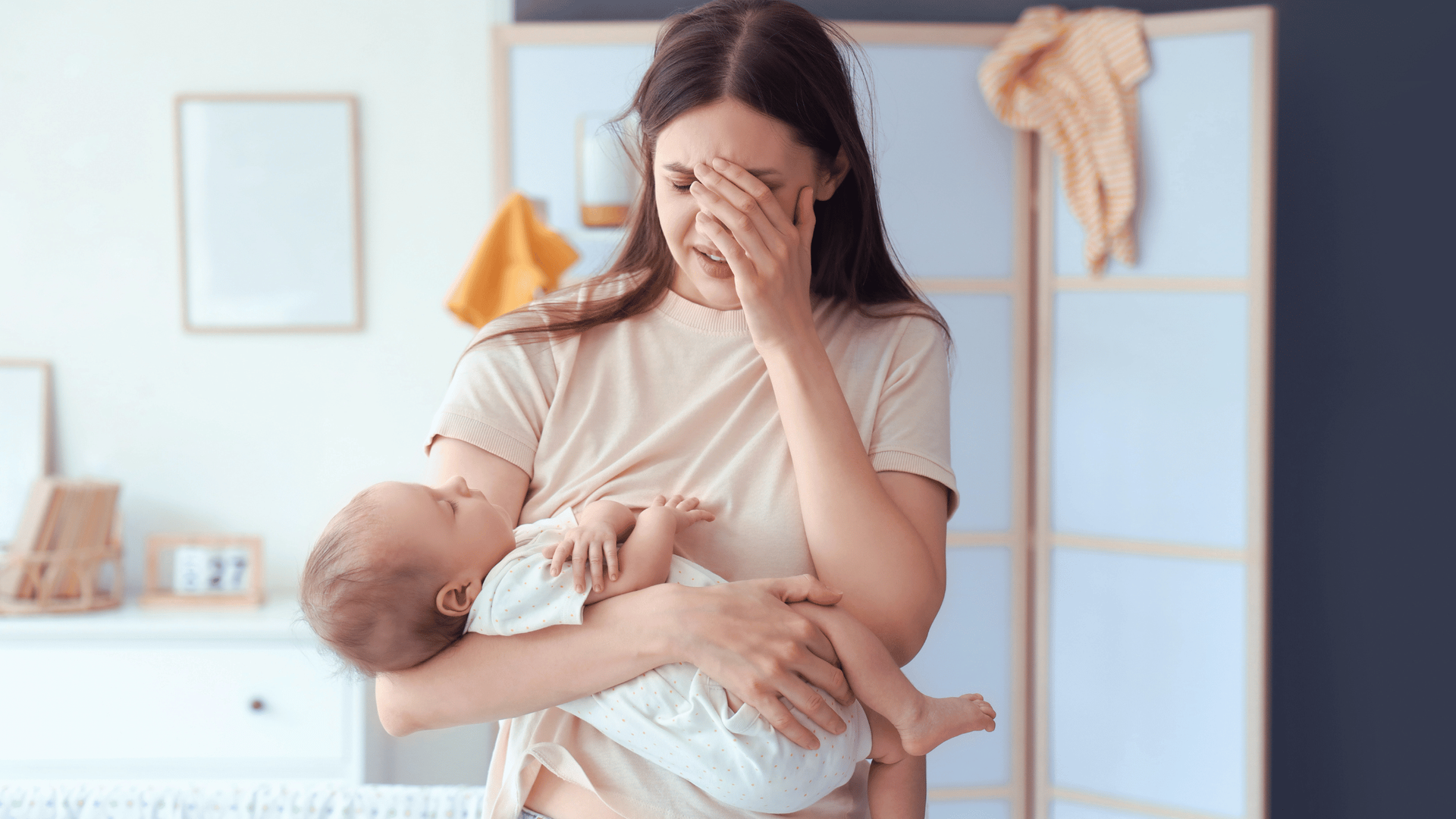
Returning to your cycle is just one part of postpartum recovery. It can be frustrating and emotional, but your body is just trying to get back to normal. Be patient with yourself, pay attention to your body’s needs, and remember that there’s no “perfect” timeline for postpartum cycles.
And reach out to us any time you have questions or need extra support.
FAQ
Can I get pregnant before my first postpartum period?
Yes. Ovulation can occur before your first period, especially if you’re not exclusively breastfeeding. You should talk to your provider about contraception if you don’t want to get pregnant again.
Is it normal for my period to be irregular for months?
Yes. Hormonal shifts after pregnancy can make cycles unpredictable for several months.
How can I manage cramps and discomfort?
Gentle heat, hydration, pain relief recommended by your provider, and rest whenever possible can help manage discomfort.