Is Family Help Enough Postpartum? Here’s Why Professional Support Still Matters
Is Family Help Enough Postpartum? Here’s Why Professional Support Still Matters
After a baby arrives, people often say, “We have family helping, so we’re probably fine.”
And sometimes, that’s true. Loving family support can be a real gift in postpartum.
But family help and professional postpartum care aren’t the same thing. Understanding the difference can change how supported you actually feel during those early weeks.
This isn't about picking one over the other or saying family is less important. It's about seeing that each serves a different purpose, which explains why many parents still feel overwhelmed even with help nearby.
Family Support Comes From Love
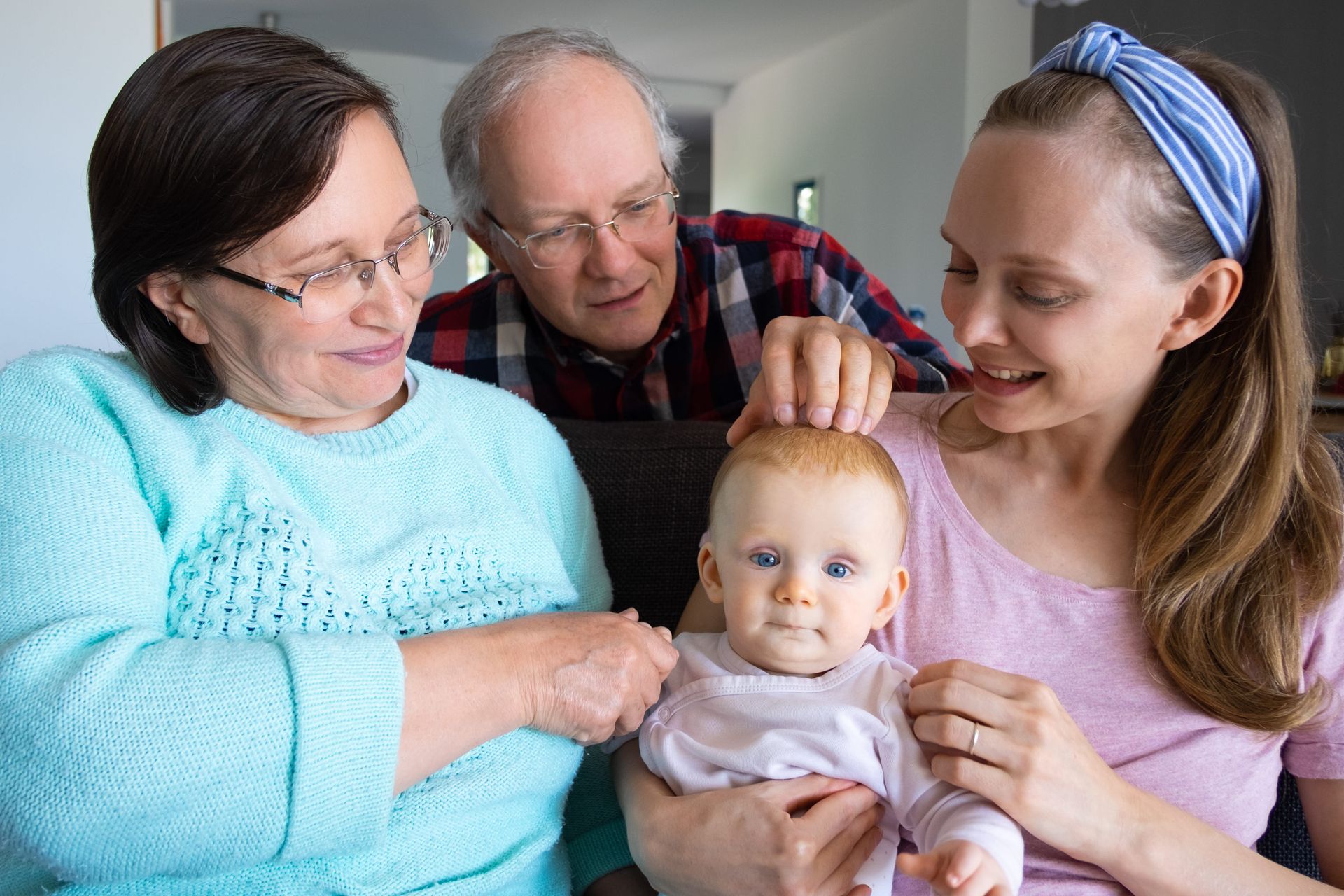
Family members usually show up because they care so much about you. They want to help and to be involved. They want to meet the baby and be part of this moment.
That love might look like holding the baby so you can shower, dropping off meals, offering comfort, or sharing advice from their own experiences. That connection matters, and having people there can help you feel more stable.
But love and presence don’t automatically translate into the kind of support that allows real rest, recovery, and regulation.
When Family Help Still Feels Hard
Many parents say they feel more tired when visitors are around. It's not that their family is doing anything wrong, but family support often brings emotional challenges.
You might end up hosting instead of resting, handling other people’s feelings or expectations, explaining your choices about feeding or sleep, or feeling like you have to seem grateful and fine. Sometimes, it feels easier to just care for the baby yourself than to ask for help.
Even support that comes from a good place can take a lot of emotional effort. After having a baby, that effort can feel especially hard.
Professional Postpartum Care Has a Different Purpose
A postpartum professional is there because it's their job, not because of a personal connection. This difference is important, especially when you're exhausted.
Professional postpartum care is meant to lighten your mental load. A doula looks ahead to your needs, helps you recover without judgment, stays calm when things are tough, and focuses on you.
You don't have to host, entertain, explain, or act for them. You can feel however you feel without having to put on a front.
Why Objectivity Changes Everything
One of the biggest differences between family help and professional care is objectivity.
A postpartum doula isn't emotionally involved in your choices. They don't take things personally or need you to reassure them. This creates a different kind of emotional safety.
You can say what you really need. You can change your mind without feeling guilty. You can ask the same question many times. You can break down without being pushed to feel better. Often, this kind of emotional safety is what lets you truly rest.
Training Matters, Especially When You’re Vulnerable
Family members may have raised kids before, but that doesn't mean they're trained in postpartum recovery, newborn development, or how to support your nervous system.
Postpartum professionals know how to help you recover after birth. They're trained to spot signs of exhaustion or stress, support feeding in any way you choose, care for your baby while making sure you get rest, and adjust their help based on how you are really doing.
This isn't about saying expertise is better than love. It is about having someone whose job is to see and support the whole situation.
Exhaustion Changes What You Need
When you're well-rested, it's easier to handle complicated things. When you're tired, making decisions, talking to others, dealing with emotions, speaking up for yourself, and letting go of control all get harder.
That's why the difference between family help and professional care often becomes clearer as time goes on. Professional support doesn't depend on your energy. It's designed to support you when you have very little left.
It’s Not Either/Or
This isn't about replacing family. Some of the best postpartum experiences include both family for connection and professionals for structure, steady support, and care focused on recovery.
When everyone’s role is clear, parents feel less torn and can accept help more easily.
The Better Question
The question isn’t just, “Do we have help?”
It’s, “Does our support allow us to rest, recover, and feel safe?”
If the answer is yes, that’s what matters. And if the answer is no, even with family around, that doesn’t make you ungrateful or failing. It means you’re in a vulnerable season that may benefit from a specific kind of care.
The Takeaway
Family help comes from love.
Professional postpartum care is based on training, objectivity, and experience.
Both are valuable, but they're not the same.
If you are unsure what kind of support would help you most right now, we're here to talk it through with you.
FAQ
Why do I still feel overwhelmed even with family around?
This is very common. Family help often means hosting, handling opinions, explaining your choices, or trying to show everyone you are okay. That can be tiring when you are already worn out. Professional support takes away much of that emotional work so you can really rest.
What does professional postpartum care offer that family usually can’t?
Professional postpartum care is based on training, steady support, and objectivity. A doula looks ahead to your needs, helps with feeding and recovery without judgment, and adjusts care to how you are really doing each day. There are no hidden agendas or expectations.
Is it okay to want professional support even if my family is willing to help?
Yes. Wanting professional support does not mean your family is not enough. It just means you know that postpartum is a vulnerable time that often needs steady, specialized care.