My Pregnancy Dreams are WEIRD. Help!
If you’re pregnant and suddenly having vivid dreams with plot twists, strong emotions, and characters that make absolutely no sense, welcome. You’re not going crazy. You’re not alone. And your subconscious isn’t trying to warn you that something terrible is about to happen.
Pregnancy dreams aren’t uncommon, and they can sometimes feel unsettling.
One night, you might dream about giving birth to a kitten. The next, you’re crying because you lost your baby in a grocery store the size of an airport. Then you wake up exhausted and wondering why your brain won’t just let you rest peacefully.
Let’s talk about pregnancy dreams and how to cope with them so you can have some peace.
Why Pregnancy Dreams Are So Intense
Pregnancy dreams aren’t random. There are a few very real reasons they feel louder, stranger, and more emotional than your usual dreams.
Hormones Are Doing the Most
Hormonal changes in pregnancy affect how deeply you sleep and how often you wake up at night. This makes you more likely to remember your dreams, especially the vivid ones.
Progesterone and estrogen also affect how you process emotions, which can make your dreams feel like strong emotional experiences instead of quick, forgettable moments.
You’re Sleeping Differently
Frequent bathroom trips, discomfort, heartburn, and changing positions can interrupt your sleep. When your sleep is broken up, dreams often feel stronger and are easier to remember.
You’re not dreaming more. You’re just remembering more.
Your Brain Is Processing a Huge Life Change
Pregnancy is one of the biggest transitions a person can go through. Your brain is constantly processing identity shifts, responsibility, fear, excitement, and uncertainty.
Dreams help your brain sort through these changes.
Common Pregnancy Dreams
If your dreams seem wildly specific or dramatic, you’re not alone.
Some of the most common pregnancy dreams include:
- Dreams about losing the baby
- Giving birth to animals or objects
- Forgetting the baby somewhere
- Extremely vivid or sexual dreams
- Dreams about your partner leaving or cheating
- Dreams where something goes wrong during birth
These dreams might feel scary, emotional, or confusing. But they aren’t predictions. They reflect normal fears, excitement, and your mind working things out.
Having these dreams doesn’t mean you don’t want your baby or that something bad will happen.
It just means you’re human.
What Pregnancy Dreams Don’t Mean
This part matters.
Pregnancy dreams:
- Are not premonitions
- Do not predict outcomes
- Do not reflect your worth as a parent
- Do not mean you’re ungrateful or unprepared
Anxiety dreams are very common in pregnancy, even for people who don’t feel anxious during the day.
Your brain is simply working through uncertainty in the quietest hours.
When Dreams Feel Disturbing or Heavy
Some pregnancy dreams are just strange. Others stay with you all day.
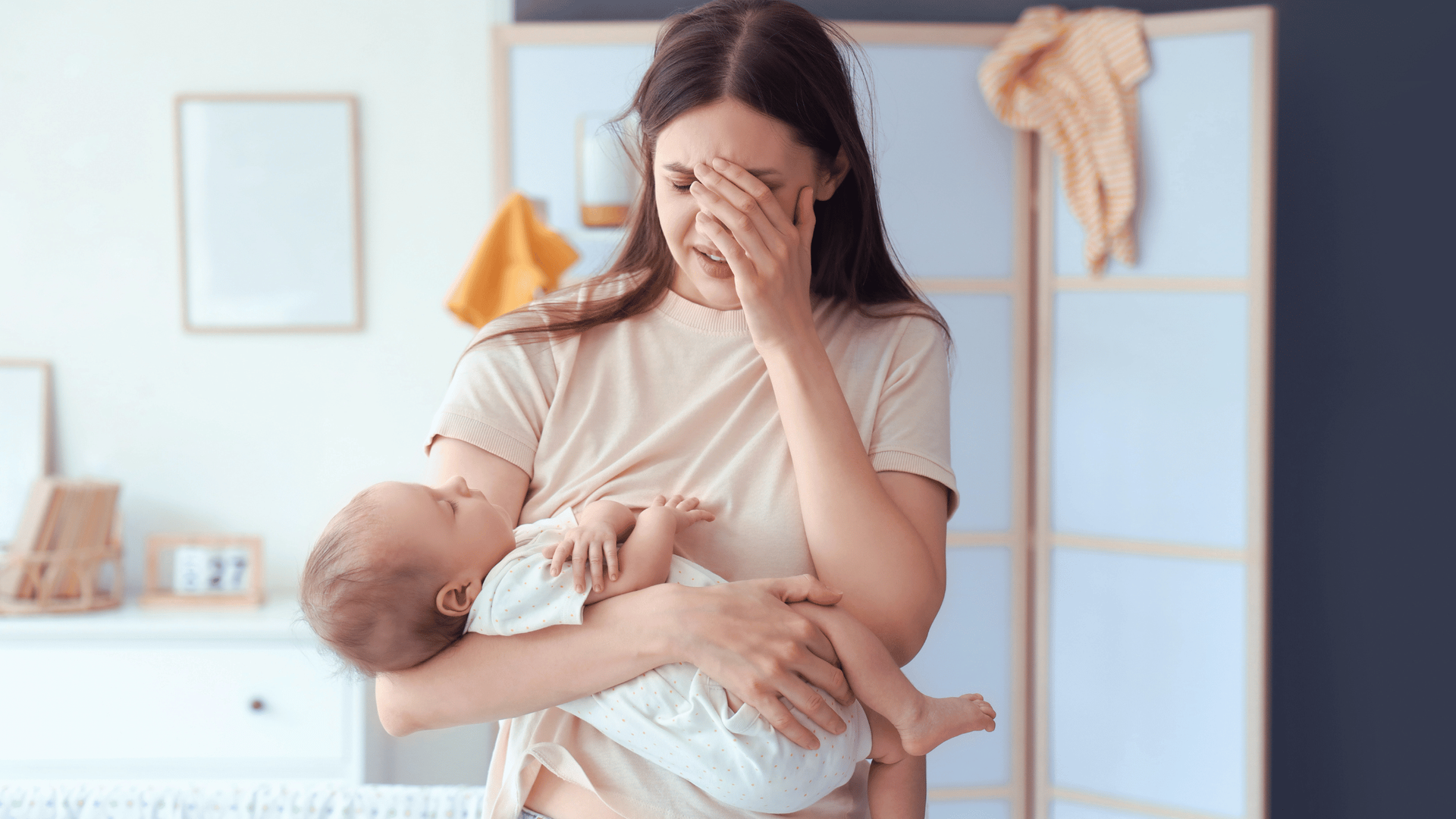
If you wake up feeling anxious, tearful, or unsettled after your dreams, it’s worth noticing. It doesn’t mean something is wrong, but your emotions might be heavier than you think.
Things that can help:
- Talking the dream out loud with a trusted person
- Writing it down to get it out of your head
- Grounding yourself after waking (deep breaths, stretching, a sip of water)
- Limiting stressful content before bed
- Creating a calming bedtime routine
If your dreams come with intrusive thoughts, constant worry, or anxiety during the day, it might be time to talk with a provider or mental health professional.
Seeking support is not an overreaction. It’s a way to care for yourself.
A Gentle Reminder
Pregnancy dreams are often a sign that your mind is doing exactly what it’s supposed to do: preparing you for change.
They can be strange, emotional, unsettling, and sometimes even funny when you look back.
But your dreams don’t define you, your pregnancy, or your future as a parent.
If your nights feel busy, vivid, or exhausting, you’re not failing at rest. Your brain is working through something big.
You’re Not Alone in This
At Utah Postpartum Care, we support families through the emotional side of pregnancy and postpartum, not just the physical parts. If your dreams are bringing up anxiety, fear, or questions you don’t know where to put, you don’t have to carry that alone.
Whether you’re pregnant or caring for your baby, you deserve support that is calm, informed, and grounding.
Reach out anytime. We’re here to walk alongside you, day or night.
FAQ
Is it normal to have nightmares during pregnancy?
Yes. Nightmares and vivid dreams are very common due to hormones, sleep disruption, and emotional processing.
Do pregnancy dreams mean something is wrong?
No. Most dreams reflect fears or transitions, not real-life outcomes.
Can pregnancy dreams be a sign of anxiety or depression?
They can be one piece of the picture. If dreams are distressing and paired with ongoing anxiety, it’s worth checking in with a provider.
Do pregnancy dreams stop after birth?
For many people, they lessen or change postpartum, though sleep deprivation can bring vivid dreams of its own.