How to Dress Your Baby for Winter: Essential Tips for Cold Weather Comfort
How to Dress Your Baby for Winter: Essential Tips for Cold Weather Comfort
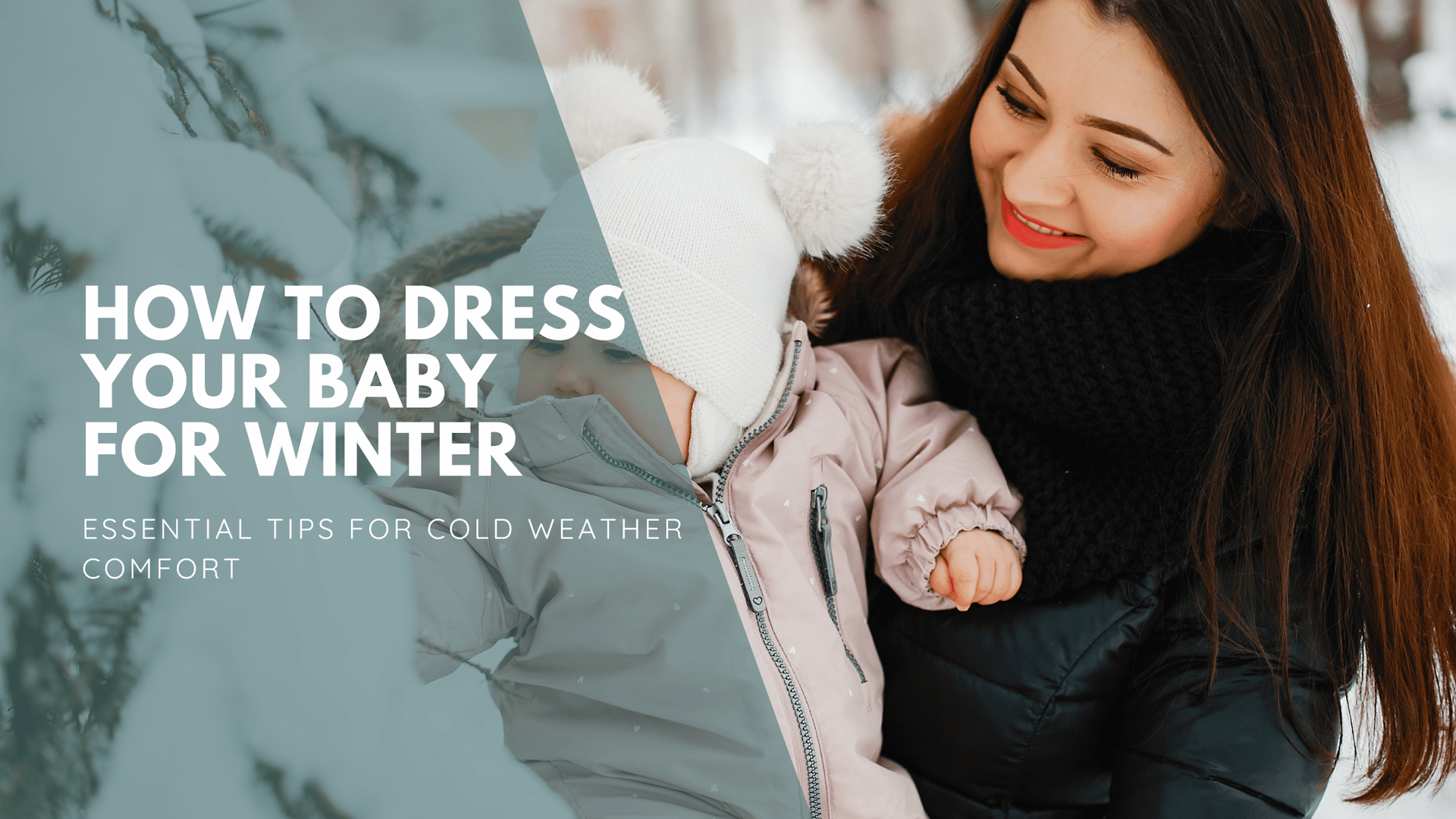
There’s nothing like a Utah winter to make you second-guess every outfit your baby owns. Is this too warm? Not warm enough? Do they need another layer? Why does getting out the door suddenly feel like a science experiment?
We’ve all been there, standing by the door with a bundled-up baby, wondering whether we got it right. Dressing a newborn or young baby for cold weather can feel confusing, but with a few simple guidelines, you can keep your little one warm, safe, and comfortable all season long.
Let’s make winter outings feel less stressful and a lot cozier.
The Layering Rule
The easiest way to dress a baby for winter is this simple rule:
Dress your baby in one more layer than you’re wearing.
Babies lose heat faster than adults, and they can’t regulate their temperature well yet. Layers help trap warmth, and they’re easy to add or remove as temperatures change.
A typical winter layering setup might look like:
- A soft cotton onesie
- A warm footed sleeper or fleece layer
- A cozy sweater, fleece jacket, or bunting suit
- Hat, mittens, and warm socks
And remember that your baby isn’t supposed to feel like a little furnace. Warm, not sweaty, is the goal.
Check Their Temperature the Right Way
It’s tempting to touch your baby’s hands or nose to see if they’re warm enough, but those areas are usually cooler, even when baby is perfectly comfortable.
Instead, check:
- The back of their neck
- Their chest
- Their tummy
These spots give you a much better picture of their actual temperature. If they feel hot or sweaty, remove a layer. If they feel cool, add one.
Don’t Use Bulky Coats in the Car Seat
This one surprises a lot of new parents, but it’s one of the most important winter safety tips:
Thick coats or snowsuits in the car seat are unsafe. They compress during an accident, which can make the harness too loose to protect your baby.
Here’s what to do instead:
- Dress your baby in warm layers
- Buckle them in snugly
- Add a blanket on top of the straps
Your baby stays warm AND safe. Best of both worlds.
Keep Extremities Covered
Babies lose a lot of heat from their heads and feet, so simple accessories go a long way:
- Hat: soft, snug, breathable
- Mittens: especially for outdoor walks
- Warm socks or booties: even under footed pajamas
- Neck warmers: never use loose scarves on babies
If you’re heading into serious cold, fleece-lined booties are game changers.
Watch for Overheating
We talk a lot about keeping babies warm, but overheating is just as important to avoid.
Signs your baby is too warm:
- Damp hair or sweating
- Flushed cheeks
- Fast breathing
- Heat rash
- Fussiness that improves when a layer is removed
If you see these, take off a layer and give them a little time to cool down. Babies are happiest right in that cozy middle zone.
For Winter Sleep, Keep It Simple
We know cold nights can make you want to pile on blankets, but loose bedding is unsafe for sleep.
Instead, try:
- A cotton layer, like footie pajamas
- A swaddle or sleep sack (TOG-rated if possible)
Keep the room around 68–72°F if you can. And avoid hats or mittens during sleep. They’re not safe in the crib.
If You’re Going Outside
Winter walks are wonderful for babies—fresh air, movement, and a little reset for everyone.
Just make sure:
- Baby’s hands, feet, and head are covered
- Their face isn’t pressed into your jacket or carrier
- You check their temperature every 10–15 minutes
- You protect their skin from wind (coconut oil or baby-safe balm helps)
- You shorten outings if the temps are extremely low or windy
A baby carrier cover can help block cold air, too.
Trust Yourself
Here’s the part many parents need to hear:
You’re not going to get it perfect every time, and that’s okay.
Sometimes you’ll overdress them a little. Sometimes you’ll underdress them. Sometimes you’ll adjust on the fly from the backseat of your car. That’s parenting in winter.
What matters most is that you’re paying attention, staying flexible, and doing your best with the tools you have. Your baby doesn’t need perfection. They need comfort, warmth, and you.
Need Postpartum Support?
Dressing your baby for winter is just one of the many new things you’re navigating right now. Postpartum can feel overwhelming, and you don’t have to figure everything out alone.
At Utah Postpartum Care, our doulas support families across Northern Utah with hands-on help, feeding support, newborn care education, overnight rest, and calm guidance every step of the way.
If you want your winter season to feel a little warmer and a lot less stressful, reach out anytime.
FAQ
Can I use a heated blanket or hot water bottle to warm the crib before sleep?
No. It’s safest to avoid external heat sources. Instead, dress your baby in safe sleep layers like a wearable sleep sack.
How long can my baby be outside in winter?
Short outings of 10–20 minutes are generally fine if your baby is well-dressed. Always shorten outdoor time in extremely cold or windy weather.
Can babies get too much sun exposure in the winter?
Yes. Snow reflects UV light. Use a stroller shade and baby-safe sunscreen if you’re outside during peak hours.