Pregnancy Cravings and Aversions: What’s Actually Going On
Pregnancy Cravings & Aversions: What’s Actually Going On
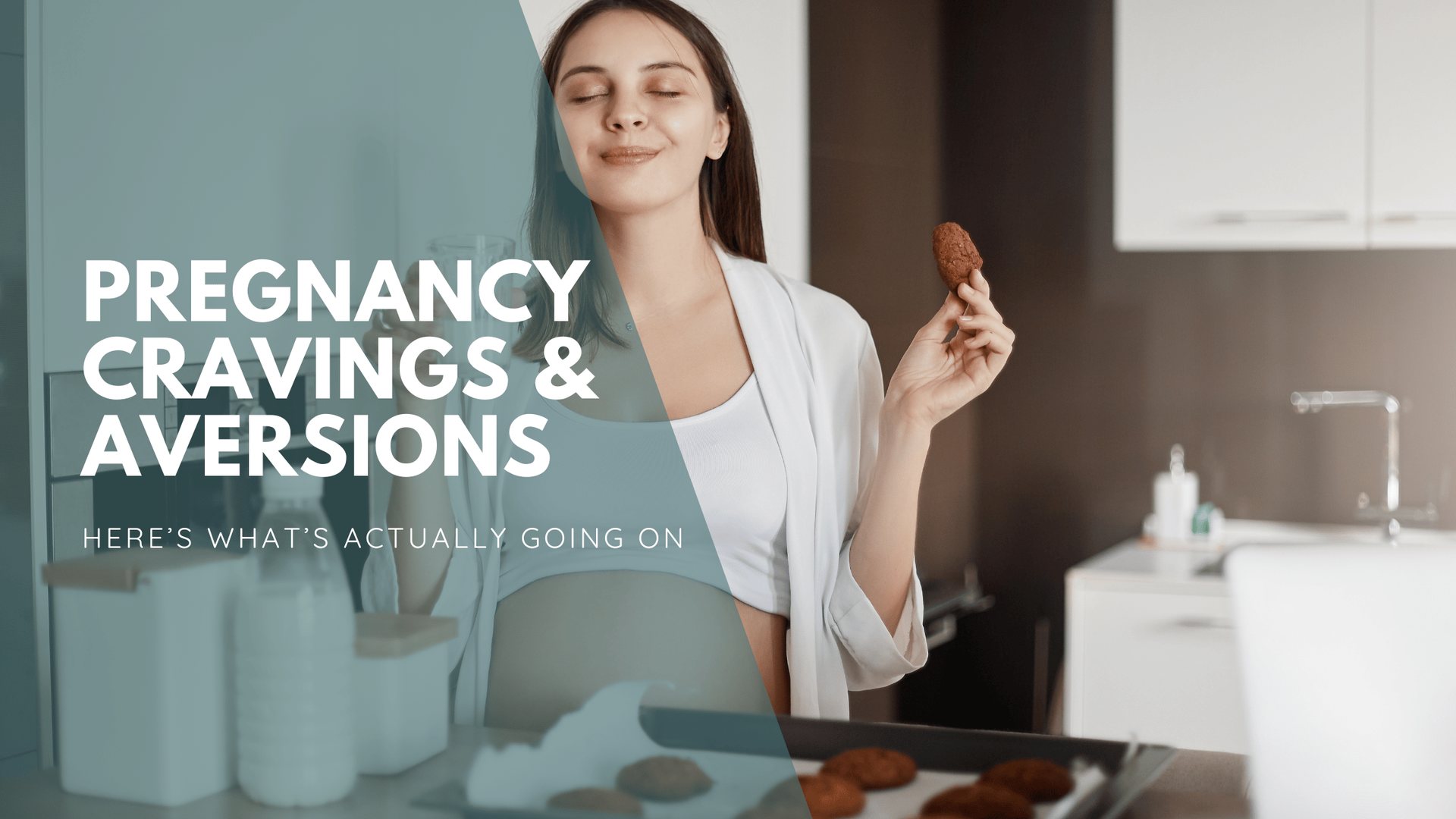
Pregnancy cravings and aversions are one of those things everyone jokes about. That is, until they’re standing in their kitchen crying because the smell of toast suddenly feels like a personal attack.
If you’re in that season, you’re not dramatic. You’re not “being picky.” You’re growing a human, and your body’s chemistry, hormones, and survival instincts are literally rearranging themselves. Cravings and aversions are just part of the process.
And honestly, they can be hilarious, frustrating, and completely bewildering all at once.
Why cravings happen
Cravings are your body’s way of trying to get your attention—sometimes for a legitimate need, and sometimes just because hormones are doing the equivalent of flipping random switches.
Hormones are running the show
Your sense of smell and taste get supercharged during pregnancy. Foods you used to love can suddenly taste “off,” while foods you barely noticed before become irresistible.
Your body is working overtime
Growing a baby takes energy, minerals, hydration, and rest. Cravings often show up when your body needs quick fuel. That could be salt, carbs, protein, ice, fruit, anything cold, etc.
Comfort counts
You’re probably experiencing stress, exhaustion, and nausea. Your cravings can show up as emotional comfort requests. Sometimes the real craving isn’t the food at all, but the calm that eating it brings.
Why aversions hit hard (and often without warning)
Aversions usually appear earlier than cravings and can be brutal. You can be minding your business, and suddenly the smell of your partner’s morning coffee makes you want to file for separation.
Here’s why:
It’s a protective mechanism
Your body naturally tries to keep you away from things that might irritate your stomach, like strong smells, greasy foods, meats, or anything that feels “risky.”
Nausea changes everything
If morning sickness is hanging around (or lasting all day, like many people experience), even the thought of food can trigger a wave of nausea.
Sensory overload is real
Pregnancy heightens everything—taste, smell, and textures. Foods that were once comforting can suddenly feel invasive or “too much.”
How to navigate cravings without panic (or judgment)
Pregnancy isn’t the time for food perfectionism. It’s the time for nourishment, flexibility, and grace.
Here’s what actually helps:
Follow the craving, but with grounding
If your body is begging for something specific, try it. And if the craving is ice cream for the third day in a row, add something nourishing earlier in the day so you’re not running on sugar alone.
Plan for simple, neutral foods
Keep options like crackers, toast, yogurt, smoothies, fruit, broth, or cold sandwiches on standby. These are great options when everything else feels like too much.
Eat tiny amounts often
Small, steady snacks go a long way, especially during times when you’re feeling nauseous a lot.
Hydration counts as a win
If drinking water is hard, try cold water, flavored water, electrolyte drinks, or ice chips. Hydration is nutrition too.
Don’t moralize your food choices
You’re allowed to eat what stays down.
You’re allowed to avoid what makes you gag.
You’re allowed to trust your body even when it’s confusing.
This season won’t last forever, and you’re doing it right.
When to pay attention or check in with a provider
Most cravings are totally normal, even the weird ones like pickles dipped in peanut butter or cereal at 2 a.m.
But contact your provider if:
- You’re unable to keep any food or liquids down
- Aversions prevent you from eating enough for more than a few days
- You’re craving non-food items (like dirt, ice in large amounts, soap, paper)
These can signal something that needs a little support, and asking for help is a strength, not a failure.
Final Thoughts
Cravings and aversions are one of pregnancy’s most unexpected roller coasters (equal parts hilarious and humbling). They don’t say anything about your willpower or your parenting. They simply mean your body is busy doing something extraordinary.
Take it one bite at a time.
Trust your body’s cues.
And give yourself grace.
You’re doing beautifully.
FAQ
Do cravings mean I’m missing certain nutrients?
Not always. Some cravings can be tied to deficiencies, but most are hormonal or sensory. If you’re worried, your provider can run labs.
Will the foods I crave now affect what my baby likes later?
There’s no guarantee. Babies are exposed to some flavors in the womb, but preferences develop over time.
Is it normal to crave things I don’t normally like?
Absolutely. Pregnancy rewires your entire sensory system for a while.
When do cravings usually stop?
Often by the third trimester, but some people have them until birth (and a few even postpartum).
Is it bad to give in to unhealthy cravings?
In moderation, no. If cravings are extreme or constant, focus on overall balance throughout the day rather than trying to eliminate them.