Healing After Birth: Essentials for C-Section and Vaginal Birth Recovery
Healing After Birth: Essentials for C-Section and Vaginal Birth Recovery
Let's get real: bringing a baby into the world is magical, but it's also no walk in the park. Whether you delivered vaginally or via cesarean, your body (and, let's face it.. your mind) just did something incredible. Now it's time to rest, recover, and, most importantly, be kind to yourself. Remember, prioritizing rest and nourishment is not a luxury, it's a necessity for your recovery.
We're here to help you through the essentials of postpartum recovery with the tips and tools that will help—because healing is about more than "just getting by."
Postpartum Recovery Is Not About "Bouncing Back"
First, let's ditch the idea of "bouncing back." You're not a rubber ball. Postpartum recovery is about moving forward—resting, healing, and rebuilding your strength while adjusting to this new season of life.
Here's the truth: whether you had a vaginal birth or a c-section, postpartum should be all about giving your body the care it deserves.
Vaginal Birth Recovery & What Your Body Needs
If you deliver vaginally, your body has been through a lot (tears and swelling are no fun). Recovery takes time, but there are some must-haves to make it easier:
1. Perineal Care Like a Pro
- Keep things clean with a peri bottle (your new best friend).
- Add witch hazel pads and take warm sitz baths to soothe any soreness.
- Pro tip: Ice packs are fantastic for reducing swelling during those early days (emphasis on early, don't use padsicles long term!).
2. Move Gently
Your body just did some work. Start slowly when it comes to movement. There's absolutely no rush to jump back into the gym or be active. When you're ready, consider visiting a Pelvic Floor Therapist for some additional support.
3. Ask for Help
Light household tasks? Laundry? Let someone else do it. Whether it's your partner, a friend, or one of our
postpartum doulas, you don't need to do it all.
C-Section Recovery & Caring for Your Body After Surgery
If you've had a c-section, remember this: you just had major surgery and birthed a human (you deserve some extra love and care).
1. Gentle Movement
Take it slow. Walking (a little) helps circulation and speeds healing, but avoid heavy lifting (including anything heavier than your baby).
2. Incision Care
Keep your incision clean and dry, and follow your provider's instructions. An abdominal binder can provide support and help you move more comfortably, but never use one without additional guidance to ensure the right fit—wearing it incorrectly can do more harm than good.
3. Rest with Intention
This isn't the time to push through exhaustion. Let a postpartum doula, night nanny, or partner help so you can truly rest and recover.
Nourish Your Body: Food Isn't Just Fuel—It's Medicine
What you eat plays a significant role in how you heal. Your body is rebuilding tissues, replenishing blood loss, and adapting to life postpartum.
What to focus on:
- Protein: Helps repair tissues and keeps your energy steady.
- Iron: Think spinach, lean meats, or fortified cereals to combat fatigue from blood loss.
- Hydration: Water, broths, and foods like cucumbers keep you hydrated and support your milk supply if you're nursing.
Are you too tired to think about meal prep? That's where we step in—our postpartum doulas and perinatal nutrition experts are pros at creating nutrient-packed meals that make you feel good.
Emotional Recovery: The Part We Don't Talk About Enough
Let's not ignore the emotional side of recovery. Between sleepless nights and intense hormone shifts, it's easy to feel overwhelmed as a new parent.
1. Rest.. Seriously
This isn't just about getting enough sleep—it's about finding time for yourself to rest and take it easy. Whether it's a warm bath or 20 minutes with your favorite book, it counts.
2. Stay Connected
Are you feeling isolated? Reach out to a friend, join a local parenting group, or lean on your partner for support. And yes, crying in the shower counts as self-care some days.
3. Give Yourself Grace
There's no gold star for doing it all. Your healing timeline is yours alone—so celebrate the small wins, even if it's just making it through the day.
Your Postpartum Village: The Secret to Thriving
Here's the truth: you're meant to navigate this journey with others. From practical baby care to emotional support, your
postpartum community is vital for a smoother recovery.
Who's in your village?
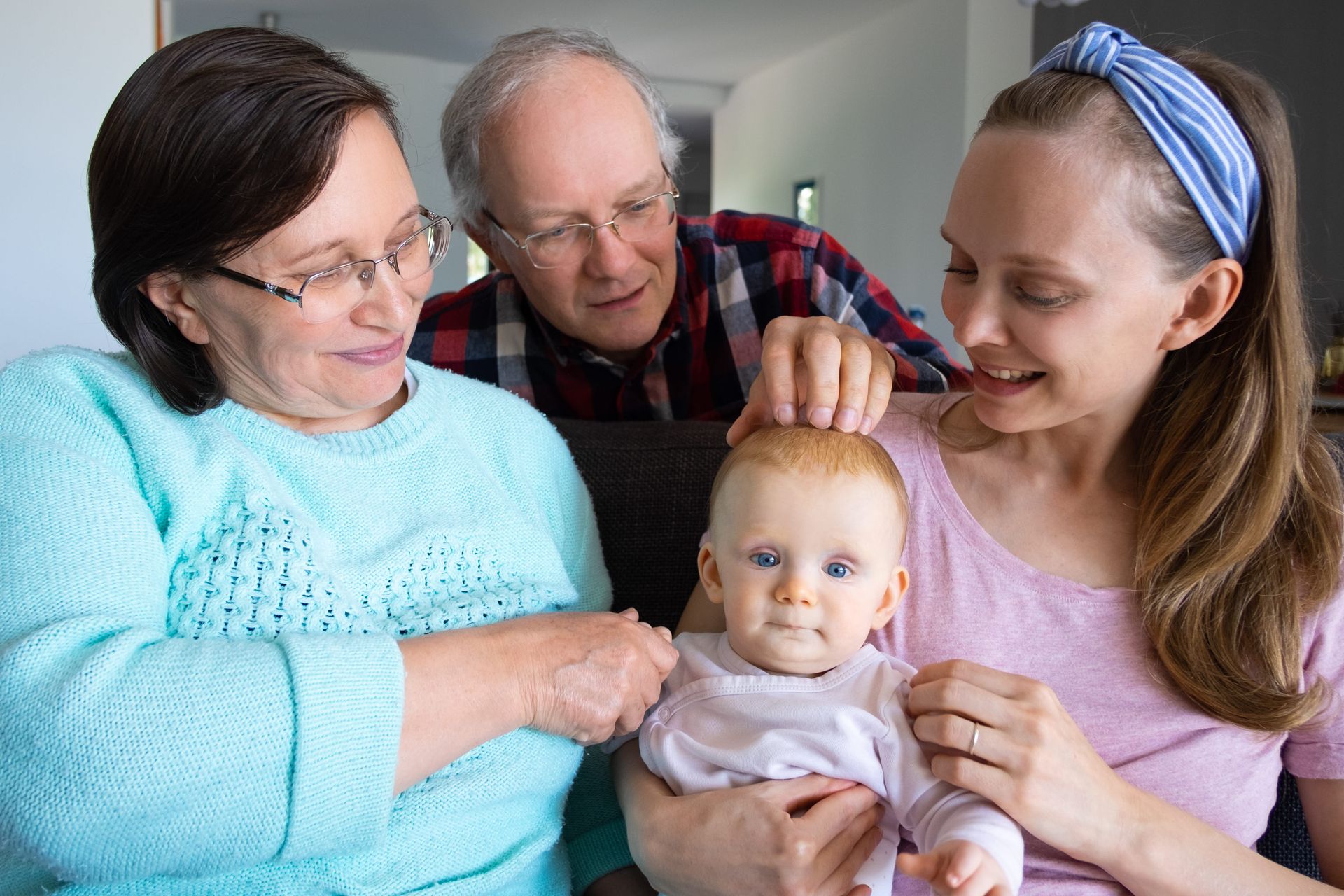
- A Postpartum Doula: Yep, we're biased, but the support of a postpartum doula is life-changing - think meal prep, light cleaning, nights of sleep, and baby care, all wrapped in expert support.
- Family and Friends: Let them bring meals, fold laundry, or hold the baby while you nap.
- Local Resources: From lactation consultants and perinatal therapists to support groups, knowing where to turn can make all the difference.
Ready to Heal? We've Got You Covered
Your body and mind deserve the best care as you recover from birth. Whether it's soothing perineal soreness, managing c-section pain, or finding emotional balance, the right support makes it all easier.
Do you need a partner in this journey?
Bountiful Doulas offers personalized care to help you rest, recover, and thrive.
Book a consultation with us today to make your postpartum experience one of peace and healing.
FAQs
Q: What's the best way to speed up postpartum recovery?
A: Rest and nourishment are essential to healing. Accept help, stay hydrated, and focus on nourishing meals that promote healing. Stay in bed, and take things easy during those early days - we promise it'll pay off!
Q: Can a doula help with c-section recovery?
A: Absolutely. Postpartum doulas assist with baby care, meal prep, and light chores, allowing you to rest and focus on healing. Some of our doulas have experienced cesareans themselves and are happy to share their expert tips and guidance!
Q: How long does postpartum recovery take?
A: Recovery varies. Vaginal births often begin to heal in 4-6 weeks, while c-sections may take 6-8 weeks or longer. It's normal for healing to take much longer than either of these norms, so don't stress if you don't fit with what's 'normal'. Listen to your body.
Q: How can I manage postpartum bleeding?
A: Use depends and large absorbent pads (no tampons!) and rest as much as possible. If bleeding increases or clots are large, call your provider. Don't forget that bleeding may come and go for several weeks postpartum.
Q: When should I seek professional help postpartum?
If you're experiencing intense pain, signs of infection, or feelings of depression or anxiety, it's crucial to seek professional help immediately. Your well-being and that of your baby are top priorities.
Healing after birth doesn't have to be overwhelming. Let us help you feel supported and cared for every step of the way.
Contact us today to start your recovery journey with confidence.