Postpartum Weight Loss: The Truth About Breastfeeding and Your Body
Postpartum Weight Loss: The Truth About Breastfeeding and Your Body
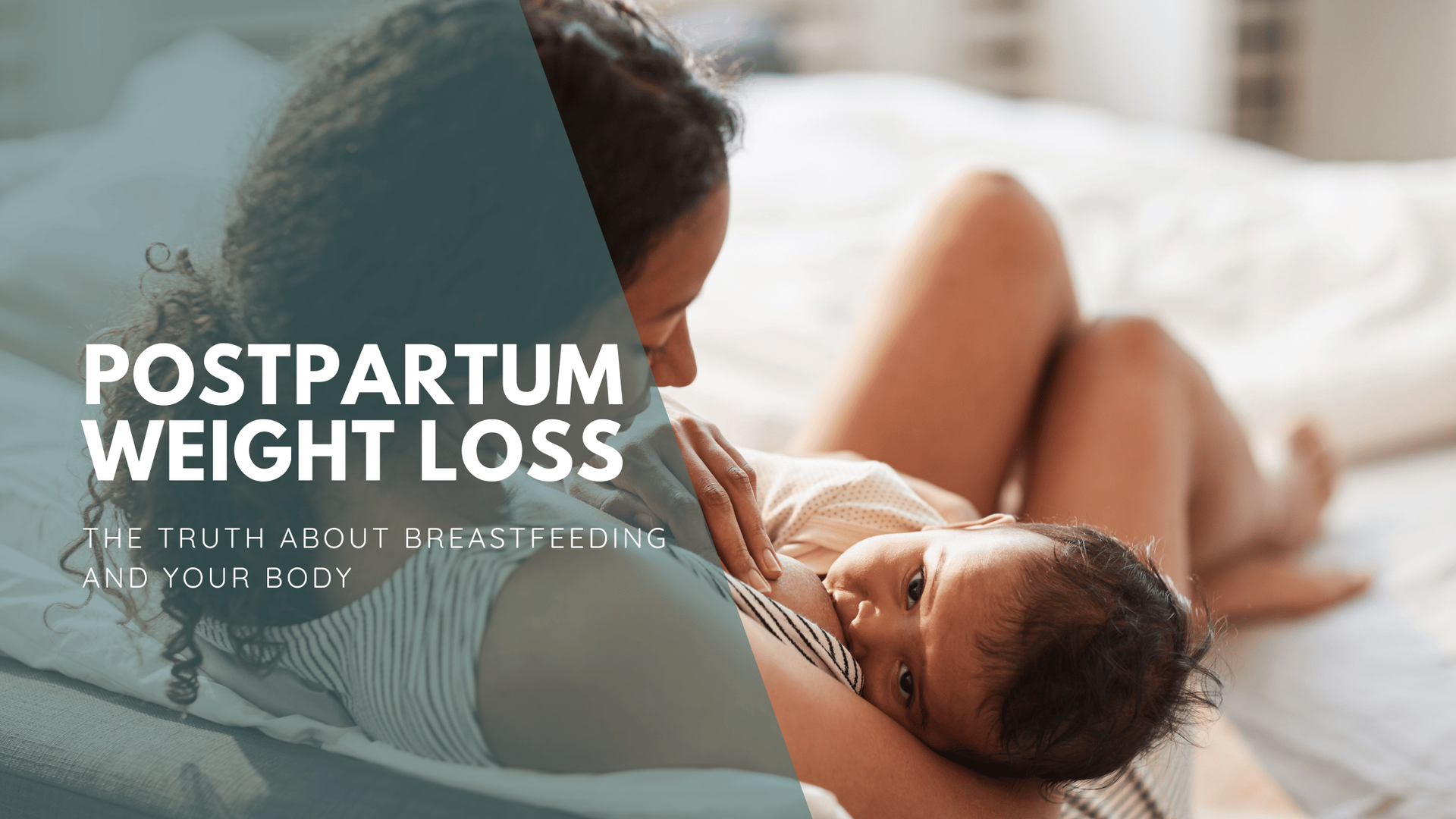
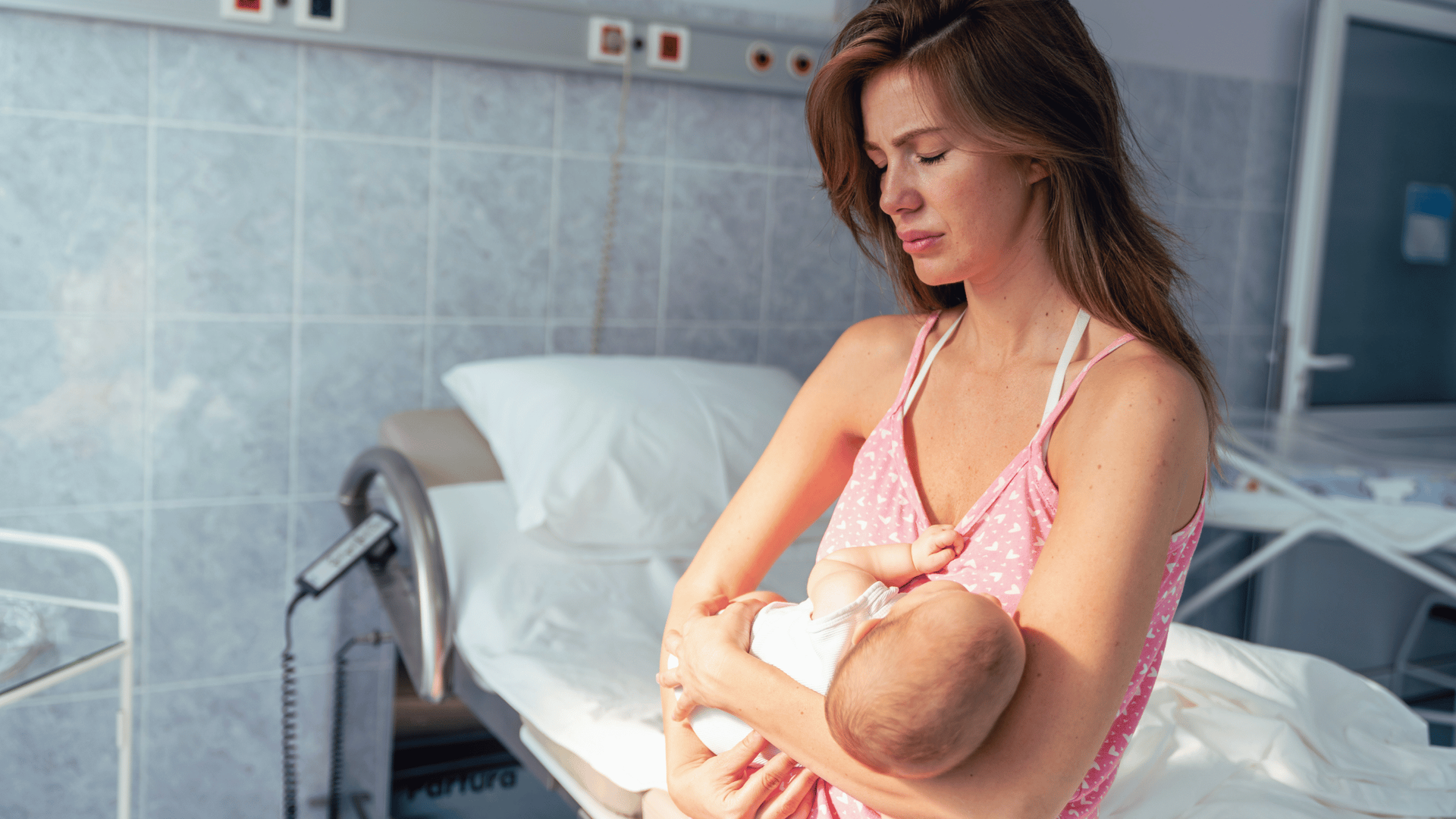
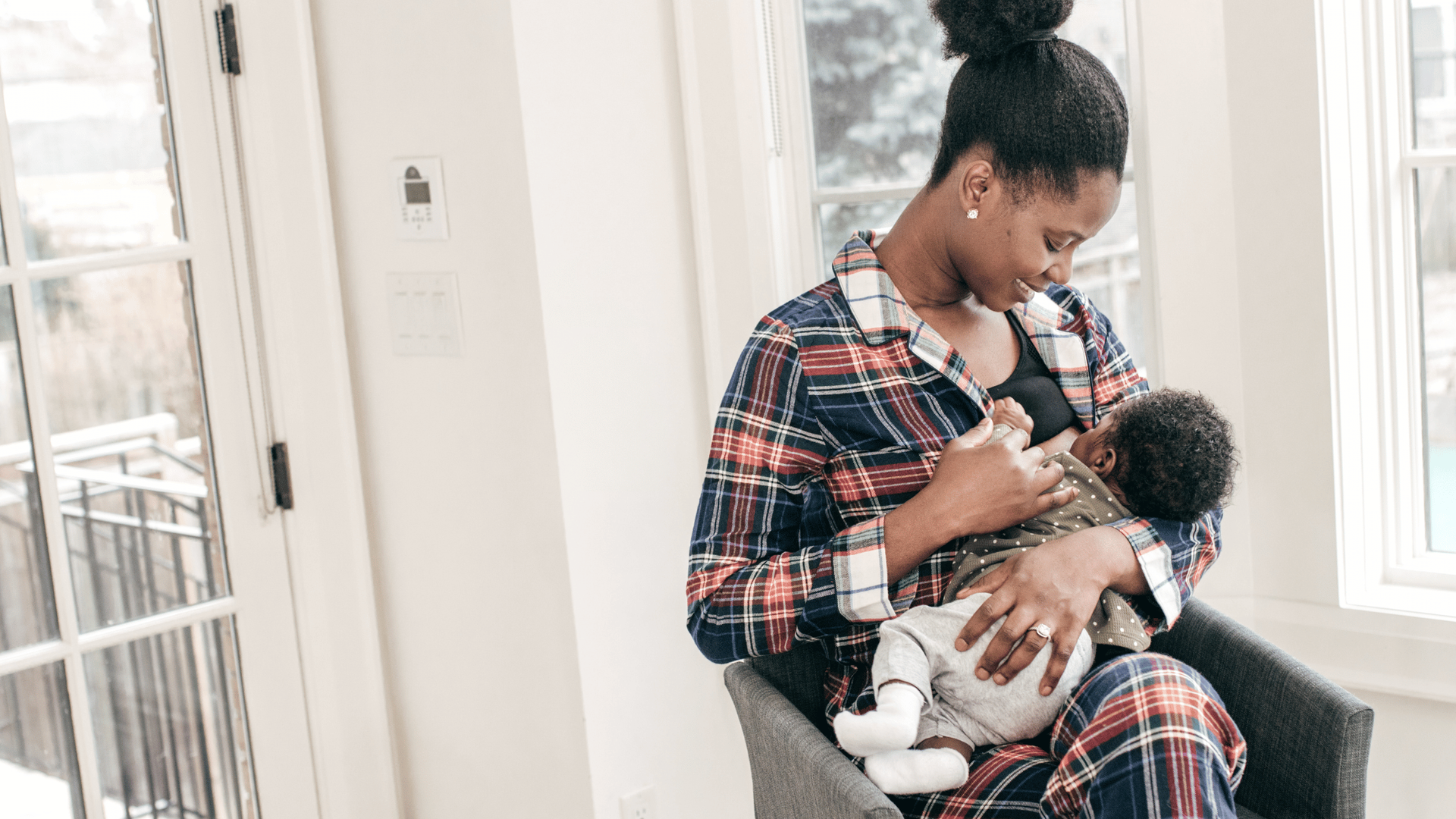
If you've been pregnant for more than five minutes, you've probably heard it: "Oh, don't worry about the baby weight! Once you start breastfeeding, it just melts right off."
People say it with such certainty, like it's a universal guarantee. So, when you're three, six, or nine months postpartum, nursing around the clock, and the scale hasn't budged (or maybe you've even gained a little), it's so easy to feel like your body is doing something wrong.
Let's take a deep breath and set the record straight right now: Your body isn’t messed up. That "breastfeeding melts the weight off" line is one of the biggest postpartum myths out there.
Here's the real truth about breastfeeding, your beautiful postpartum body, and what you actually need right now.
Why the Weight Doesn't Always "Melt Off"
Yes, making breast milk burns calories. But human bodies are incredibly smart, and they are hardwired for survival. For many women, the hormones required to produce milk (like prolactin) actually signal the body to hold onto fat stores. Your body is essentially saying, "Hey, I have a tiny human to keep alive! I need to keep some energy reserves just in case."
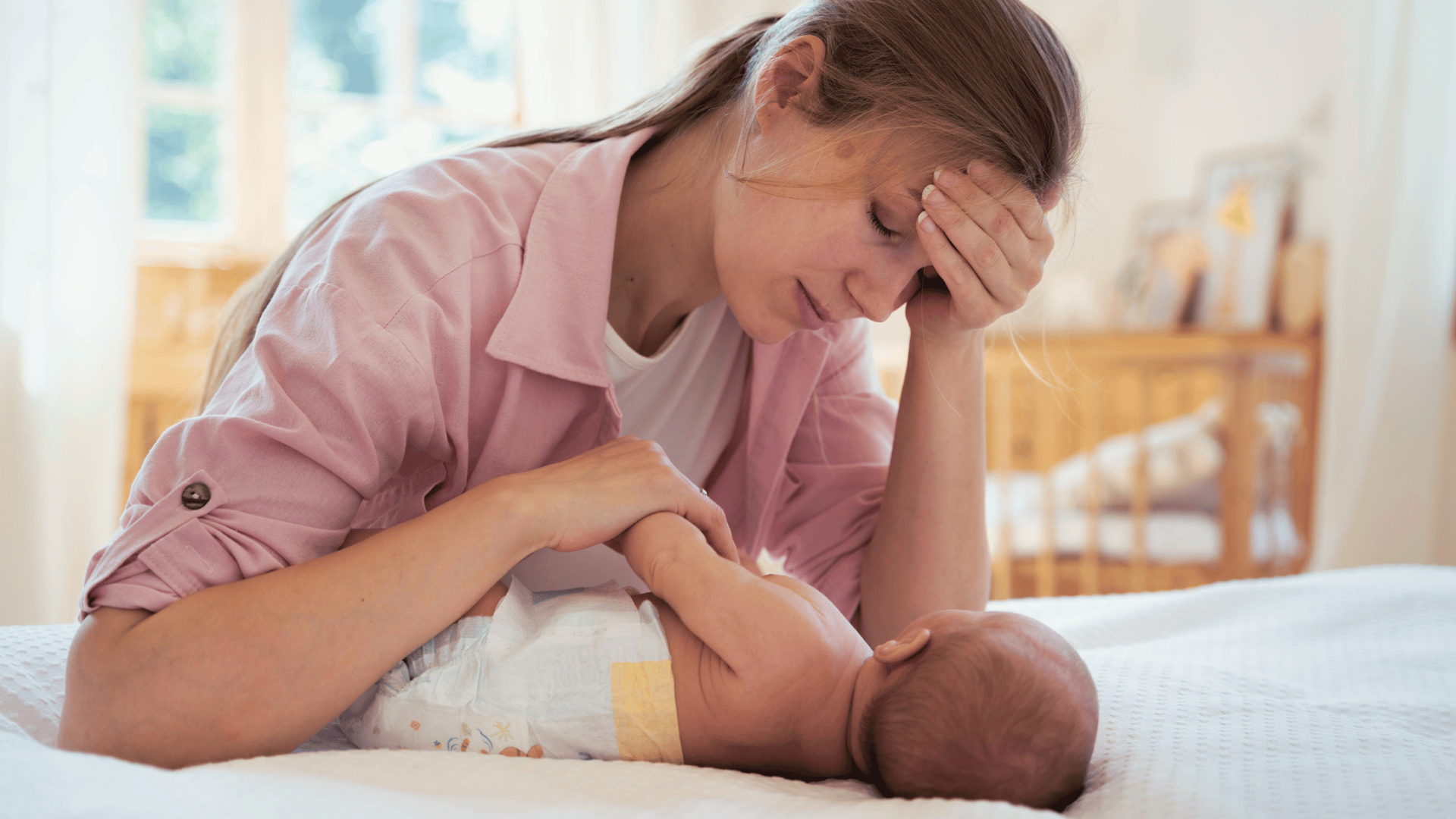
Add in the intense sleep deprivation, the stress of adjusting to a new baby, and the massive hormonal shifts of the fourth trimester, and you have a perfect recipe for your body wanting to hold onto exactly what it has. Everyone's metabolism responds to lactation differently. For some, the weight drops. For many others, it stays put until they wean (and sometimes longer). Both are normal.
Shifting the Focus
When you're feeding a baby, your body is working overtime. You’re literally a walking, talking food source. This is not the time for restriction, calorie counting, or trying to shrink yourself.
Instead of focusing on losing, let's focus on replenishing. Your body needs deep, restorative nourishment. You need warm, comforting foods, like soups, oatmeal, healthy fats, and endless amounts of water. You need fuel to heal from birth, to make milk, and to keep your energy up during those long, sleepless nights.
Movement Should Feel Good, Not Punishing
When you’re finally cleared for exercise (and remember, healing continues long after that six-week checkup), movement should be about feeling good in your skin, not punishing your body for changing.
Start with gentle stretching to open up your chest after being hunched over nursing all day. Take a slow, ten-minute walk while your partner holds the baby. Move to release tension and clear your mind, not to force your body back into a pair of old jeans.
Give Yourself Some Grace
We know it can be frustrating to hear that, but look down at your body. It grew a whole person. It birthed that person. And now, it’s working around the clock to sustain them. That is nothing short of miraculous.
If that doesn’t make you worthy of grace, what does?
Please don't spend this precious, fleeting season at war with the body that is doing so much for you and your baby.
We Can Support You
We know how heavy the pressure to "bounce back" can feel. But we want to help you tune out that noise and tune into what you actually need.
When one of our doulas is in your home, they’re making sure your water bottle is full and you have a nourishing, nutrient-dense snack in your hand while you feed your baby. They listen when you're feeling frustrated with your changing body, and remind you of how incredibly strong you are.
If you're looking for support that honors your healing and feeds your soul (and your belly), reach out today. Let's make sure you’re cared for, just as beautifully as you care for your baby.
FAQ
How soon after having a baby can I start trying to lose weight?
There isn’t one perfect timeline for everyone. Your body needs time to heal and recover. Talk with your doctor about what is appropriate for you.
Will losing weight affect my milk supply?
Rapid weight loss or significant calorie restriction may affect energy levels and, for some people, milk production. If you’re breastfeeding and want to make changes to your diet or weight, gradual changes are generally a better conversation to have with your doctor.
Why do I still look pregnant months after giving birth?
Your postpartum body can take time to change. Your uterus, abdominal muscles, skin, posture, and core all go through major changes during pregnancy and birth. If you’re concerned about abdominal separation, pain, or changes that don’t feel right, check in with your doctor or a pelvic floor physical therapist.
Can I exercise while breastfeeding?
In many cases, yes, once you’ve been cleared and feel ready, but the type and intensity of exercise can depend on your recovery. Start gradually and pay attention to how your body feels rather than jumping back into your pre-pregnancy routine.
What if I’m struggling with my body image after having a baby?
You’re not alone. Your body can change quickly during pregnancy and postpartum, while your mind takes much longer to adjust. If thoughts about your body are causing a lot of stress or making it hard to enjoy daily life, talking with a mental health professional can help.