When Birth Doesn't Go to Plan: Why It's Okay to Grieve Your Delivery Story
When Birth Doesn't Go to Plan: Why It's Okay to Grieve Your Delivery Story

You spent months preparing for this birth. You took the classes, wrote the birth preferences, practiced your breathing, and visualized how it would all unfold.
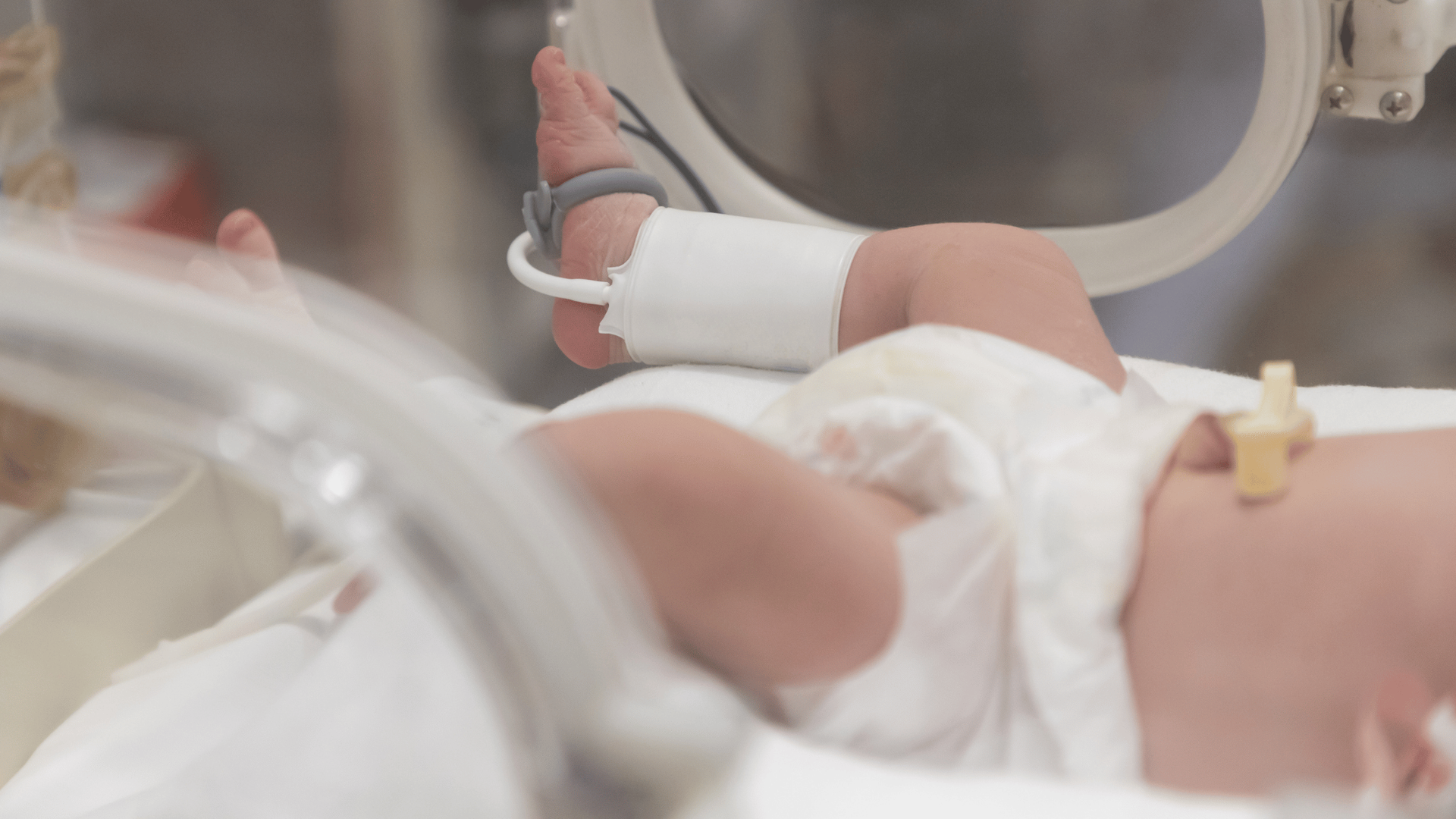
But then, things went sideways. Maybe it was an unplanned C-section. Maybe your epidural didn't work, or you felt rushed and unheard by your medical team. Maybe your baby needed a stay in the NICU.
When you try to talk about how hard it was, well-meaning friends and family usually offer the same response: "Well, at least the baby is healthy! That's all that matters." It’s meant to be comforting, but instead, it feels like a door slamming in your face. It makes you feel guilty for being sad.
You need to know something important: A healthy baby is not the only thing that matters. You matter, too. Your feelings matter. It’s completely okay to grieve the birth experience you didn't get.
The Trap of Toxic Positivity
Someone saying "at least the baby is healthy" is a form of toxic positivity. It implies that because the outcome was good, you aren't allowed to have negative feelings about how you got there. But human emotions aren’t that simple. Two things can be true at the same time: You can be overwhelmingly grateful that your baby is safe and healthy, AND you can be devastated, traumatized, or disappointed by how your birth unfolded.
Your physical safety, your emotional well-being, and your bodily autonomy during birth matter so much. When those things are compromised, it leaves a mark. You’re allowed to mourn the empowering, peaceful birth you hoped for.
What Birth Grief Actually Looks Like
Grieving a birth experience doesn’t always look like crying (though there might be a lot of tears, and that’s okay!). It can show up in other ways, too.
Maybe you feel a sudden flash of anger or jealousy when a friend shares their “perfect” birth story. You don’t mean to, but you can’t help it.
You might obsessively replay the events of your labor in your head, wondering what you could have done differently.
Some people feel disconnected from their body or struggle to look at their C-section scar.
It’s also common to avoid talking about the birth altogether because it feels like too much.
You may also find yourself grieving in unexpected moments. A baby’s first bath, a postpartum appointment, seeing your hospital bracelet, or even hearing someone talk about their own labor can bring those feelings rushing back.
And sometimes the hardest part is that everyone else seems ready to move on. Your baby is here, people are celebrating, and you’re expected to be soaking up every moment. Meanwhile, you’re still trying to make sense of what happened to you.
There’s no “right” way to grieve a birth. You don’t have to feel sad all the time, and you don’t have to choose between being present with your baby and processing what happened. Birth grief can exist alongside joy, gratitude, love, and all the other complicated emotions that come with becoming a parent.
How to Begin Processing Your Story
1. Write It All Down
Get the story out of your head and onto paper. Write down everything you remember, including the parts that made you feel scared, angry, or ignored. You don't ever have to show this to anyone, but the act of writing it down can help your brain stop looping the memories.
2. Request Your Medical Records
Labor can be a blur, and trauma can make your memory foggy. For some people, requesting your hospital notes and reading through the clinical timeline can help fill in the blanks and give you a sense of closure about why certain things happened.
3. Consider Talking to a Therapist
Sometimes birth grief is difficult to work through on your own. A therapist who understands perinatal mental health or birth trauma can give you a safe place to process what happened without judgment. You don't need to wait until you're struggling to function before asking for help.
4. Reconnect With Your Body
Your body may feel like it failed you, betrayed you, or became something that happened to you during birth. Healing can include slowly rebuilding a sense of trust and comfort in your body. That might mean letting yourself rest, noticing what feels good, caring for your incision or body without judgment, or just giving yourself time. You don't have to love your body right now. Start by treating it with patience and care.
5. Set Boundaries Around Your Story
You don't owe everyone the details of your birth, and you don't have to keep talking about it just because someone asks. If certain conversations, people, or social media posts are making it harder to heal, it's okay to step back for a while. You can say, "I'm not ready to talk about that yet," change the subject, skip the conversation, or take a break from social media. Protecting yourself while you're healing isn't being dramatic or difficult. It's recognizing what you need right now.
None of these steps have to happen in a particular order. You might write everything down one day and not want to think about it again for weeks. You might need to talk about it ten times before it starts to feel different. Healing isn't about forcing yourself to move on. It's about giving yourself space to understand what happened and decide what you need now.
We’ll Hold Space for You
One of the most important parts of being a postpartum doula is simply being a safe place for your story to land.
When one of our doulas comes to your home, we’re not just there to fold laundry and hold the baby. We’re there to sit on the edge of your bed, hand you a cup of warm tea, and listen to you talk about your birth. We’ll never tell you "at least the baby is healthy." We’ll look at you and say, "That sounds incredibly hard, and I am so sorry it happened that way."
You deserve to be heard, validated, and cared for as you heal.
FAQ
Is it normal to feel jealous of other people's birth stories?
Absolutely. It's common to feel that way when you hear about someone else's smooth, empowering delivery. It doesn't make you a bad person; it just means you’re still healing your own heart.
How long does it take to get over a difficult birth?
There’s no set timeline for healing. For some, the heavy feelings lift after a few months as they settle into motherhood. For others, it takes therapy and time to process the trauma fully. Give yourself as much grace and time as you need.
Does feeling this way mean I have postpartum depression?
Not necessarily. Birth trauma and grief are their own distinct experiences. However, if your memories of the birth are causing severe anxiety, panic attacks, nightmares, or preventing you from bonding with your baby, it is very important to reach out to a healthcare provider or therapist for support.