Beyond the NICU: What Happens When Your Baby Finally Comes Home
Beyond the NICU: What Happens When Your Baby Finally Comes Home
Everyone tells you how great it will feel when your NICU baby finally comes home. And it probably does feel wonderful. But a lot of parents are surprised at how scary it can be too.
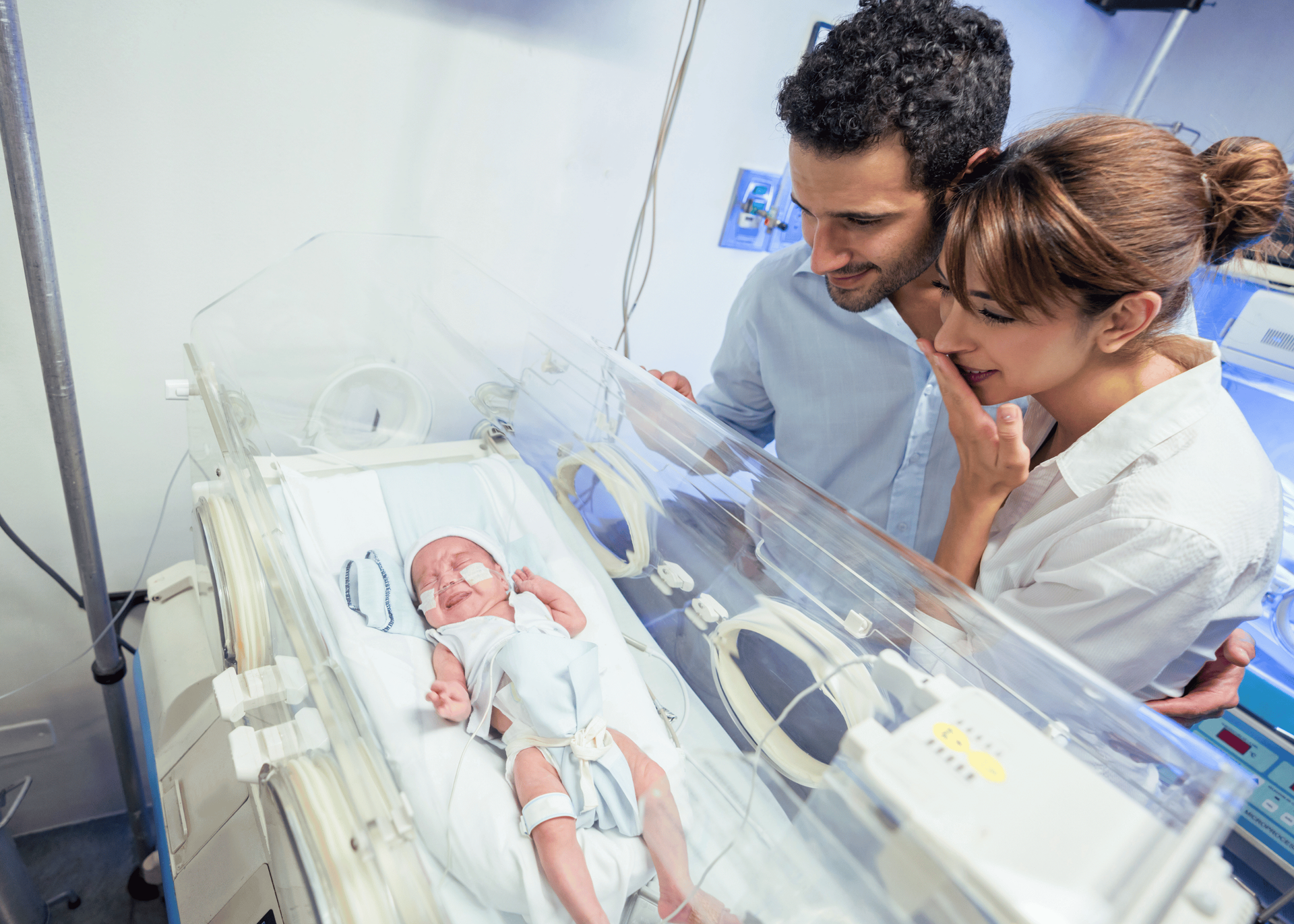
In the NICU, you had nurses, monitors, alarms, and someone nearby who knew what that number on the screen meant. You had a whole team watching your baby and answering questions.
Then suddenly, you're home. It’s just you, your baby, and a whole lot of questions.
Are they breathing normally?
Did they eat enough?
Was that noise normal?
Can I actually sleep?
Your baby may be home, but your nervous system hasn't necessarily gotten the message that the crisis is over.
Coming home from the NICU is a huge transition of its own. You can be so grateful to have your baby home and still feel anxious, overwhelmed, or even a little lost.
Let's talk about what that transition can actually look like and how to make those first days at home feel a little less overwhelming.
When Going Home Feels Scary
NICU discharge is supposed to be the happy ending, and it is a huge milestone. But it can also mean going from having medical professionals nearby around the clock to being responsible for your baby without that constant reassurance.
That can feel like a lot.
You may find yourself checking on your baby repeatedly. You might have trouble sleeping because you're listening for every little sound. You might even second-guess things that seemed straightforward in the hospital.
That doesn't mean you're incapable of caring for your baby. You've been through something intense, and this is expected.
Your brain learned that your baby needed close monitoring. Now you're being asked to relax while caring for that same baby at home. That adjustment doesn't happen overnight.
Your Nervous System May Still Be in the NICU
One of the hardest parts of coming home is realizing that your body can still feel like you're in an emergency even when the emergency has passed.
You may feel constantly alert. You’ll check your baby's breathing while they're sleeping and panic when they make a strange noise. You might find yourself replaying moments from the hospital or worrying about something going wrong again.
And then there's sleep. You desperately need it, but actually closing your eyes can feel impossible when you've spent so long watching your baby.
It’s easier said than done, but try to be gentle with yourself here. You don't have to convince yourself that everything is perfectly fine. Instead, remind yourself that you're home and that your baby has been cleared to go home.
It can also help to take some of the guesswork out of those first days at home. Having a better idea of what to expect, what to keep an eye on, and how to make things easier can help you feel a little more confident when you're no longer surrounded by a team of nurses.
You May Grieve What You Missed
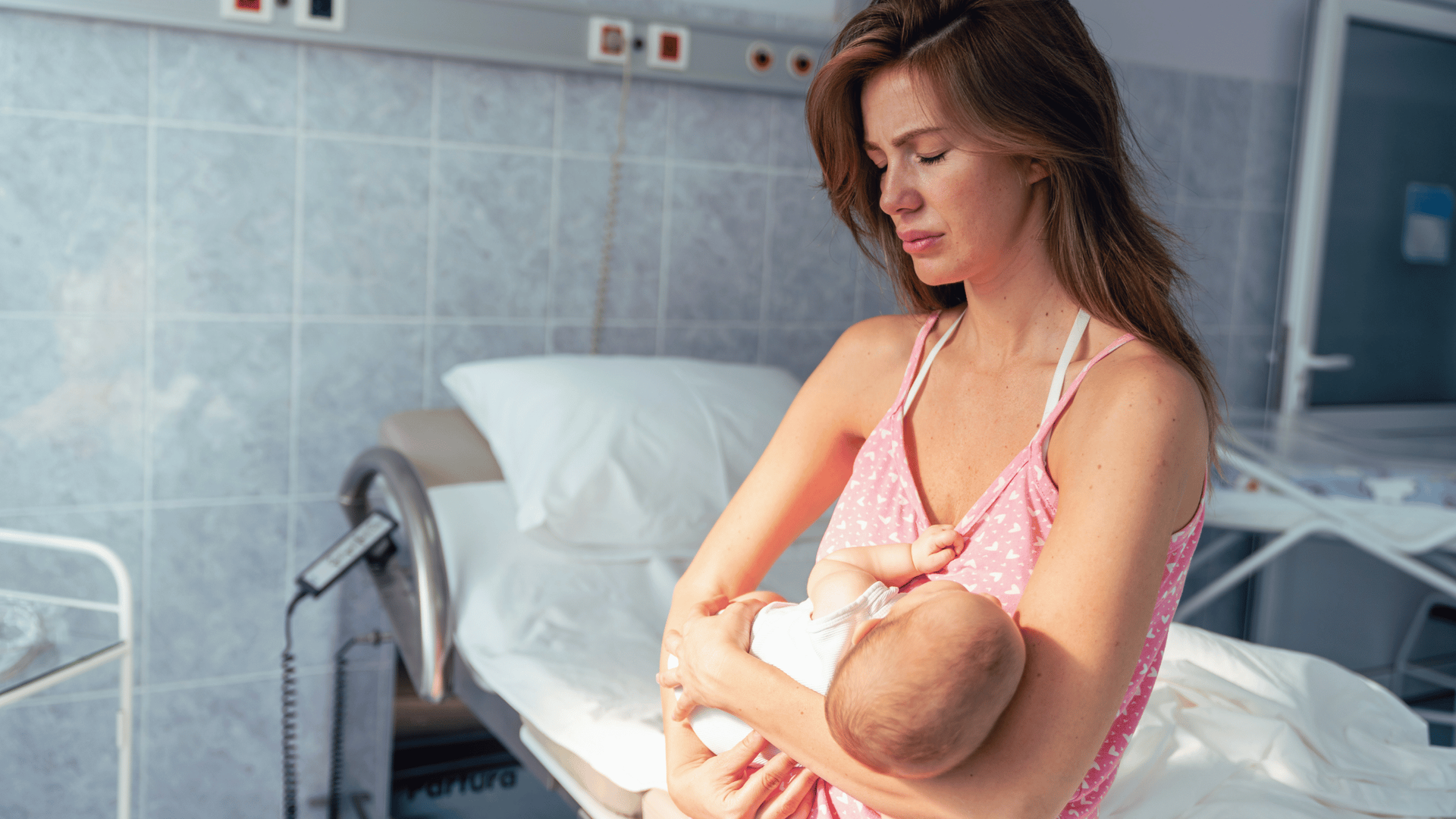
NICU parents don't always feel comfortable talking about the grief they feel. Bringing your baby home can be a huge relief while still leaving you grieving the experience you thought you would have.
Maybe you didn't get immediate skin-to-skin, and your baby spent their first days surrounded by machines instead of in your arms. Maybe feeding didn't happen the way you'd imagined. You left the hospital without your baby while other new parents were taking theirs home. You missed the quiet, sleepy newborn days you pictured during pregnancy.
Those losses are real, and feeling sad about them doesn't mean you're ungrateful for your baby.
You can feel relief, gratitude, sadness, anger, fear, and joy all in the same week. Sometimes all before lunch. You don't have to pick one emotion and stick with it.
You Still Need Postpartum Care
Between appointments, feeding, medications, follow-ups, specialists, and a million questions, your baby's NICU stay can easily become the center of everything.
But while all of that is happening, you’re still recovering. Your body still needs to heal. You need food, hydration, sleep, emotional support, and time to recover from birth. Whether you had a vaginal birth or a C-section, your postpartum recovery didn't pause because your baby needed extra care.
It's easy to put your own needs at the bottom of the list because your baby's needs feel more urgent. You may even feel guilty taking time for yourself when your baby has already been through so much. But caring for yourself isn't taking attention away from your baby. It's part of caring for your baby.
You deserve postpartum care, too. You deserve someone checking on how you're doing, helping you recognize when you need a break, and reminding you that recovering from birth and recovering from a NICU experience are both things that take time.
Let People Help Without Making You Explain Everything
After a NICU stay, you may have a lot of people who want to visit. Some will be genuinely helpful. Others may mean well but accidentally create more work for you.
You don't need to host people just because they're excited to meet the baby. You don't need to retell your birth story or explain your baby's medical history every time someone comes over.
It's okay to make your home a recovery space. If someone wants to help, give them something useful to do. Maybe they can bring dinner or fold laundry. They can sit with the baby while you shower or take care of an older sibling. Maybe they simply listen without offering a dozen opinions.
And if you're the person supporting a NICU family, remember that your job isn't to make their experience easier by asking them to manage you. Show up ready to help. Don't take it personally if they aren't up for a visit or don't respond right away. Offer practical support without expecting anything in return, and give them space when they need it. Sometimes the best thing you can do is simply remind them, "I'm here. You don't have to do this alone."
Your Baby May Have Different Needs at Home
Your baby will probably come home with feeding instructions, medications, equipment, follow-up appointments, or other care instructions. That can make home feel less like the cozy newborn experience you imagined and more like you're continuing to run a tiny medical unit in your living room.
It can be a lot to take in, especially when you're already exhausted and trying to adjust to being home. Things that might feel simple for another new parent can come with extra steps, extra questions, or extra worry for you.
That said, it’s all important. Write things down. Keep important phone numbers somewhere easy to find. Follow the discharge instructions you've been given, and don't be afraid to call your baby's healthcare team when something doesn't seem right. No one can expect you to remember everything from one discharge conversation. You have enough going on.
And if your baby's care feels overwhelming, ask someone you trust to help you keep track of appointments, supplies, and questions for the next visit. You don't have to be the only person keeping all those details straight.
When NICU Anxiety Starts Taking Over
Some worry after a NICU stay makes sense. You've been through something scary. Of course you're going to pay attention to your baby. You may check their breathing more often, worry about every little change, or feel nervous when something reminds you of the hospital. That doesn't mean you're doing anything wrong. These feelings are normal.
But if that fear is making it difficult to function, sleep, eat, leave the house, or care for yourself, it's worth talking to someone. You don't have to wait until you're completely overwhelmed. You also don't have to prove that your anxiety is "bad enough" before you deserve support.
Postpartum anxiety can happen after a NICU experience, and getting support doesn't mean you're overreacting or that you're not coping well. You've been through a lot, and your mind and body may need some help feeling safe again.
Your healthcare provider or a mental health professional can help you figure out what's going on and what support would be appropriate. Sometimes getting help early can keep those worries from becoming even more consuming.
You spent so much time making sure your baby was okay. You deserve someone making sure you're okay, too.
You Don't Have to Recover From the NICU Alone
Coming home doesn't mean you suddenly stop needing support. In some ways, you may need it more. There are no nurses down the hall. No one automatically brings you a meal. No one checks whether you've had a chance to shower.
You're caring for your baby while also processing everything you've been through. That's a lot for one person.
A postpartum doula can help make home feel more manageable by taking some of the everyday pressure off your shoulders. That might mean newborn care, meal preparation, light household support, companionship, or simply having another calm person in the room while you figure out what you need.
We can't erase your NICU experience, but we can help you feel less alone in what comes next.
Your NICU Story Doesn't End at Discharge
Discharge is a huge milestone, but it’s not the finish line. You may feel relieved one day and terrified the next. You may feel like you're finally settling in and then have a moment that brings all of the hospital memories rushing back.
That's all okay. You don't have to be perfectly confident the moment you walk through your front door. You’re learning how to care for your baby outside the hospital and maybe even how to trust yourself again. Plus, you're learning how to be a parent while carrying an experience you never expected to have.
Give yourself time. Your baby made it home. Now it's your turn to be cared for, too.
If you're coming home from the NICU and wondering how you're supposed to manage everything that comes next, reach out to Utah Postpartum Care. You don't have to figure out this next chapter by yourself.
FAQ
How long does it take to adjust after bringing a NICU baby home?
There isn't a set timeline. Some parents feel more comfortable within days, while others need weeks or months before home feels less stressful. It might also change as your baby grows and their needs change.
Should I limit visitors after bringing my NICU baby home?
That depends on your baby's medical needs and the guidance you've received from their healthcare team. It's also completely reasonable to limit visitors because you need rest and recovery time. Your home has to become an open house.
Can I sleep while my NICU baby is sleeping?
Yes, and you should prioritize rest. If anxiety makes it difficult to sleep even when your baby is safely settled, talk with your healthcare provider rather than continuing to function on exhaustion.
What should I keep track of after NICU discharge?
Follow the specific instructions from your baby's healthcare team. Depending on your baby's needs, this may include medications, feedings, appointments, symptoms, or other information. Keeping everything in one place can make those early weeks easier to manage.
Is it normal to feel afraid that my baby will have to go back to the NICU?
That fear can be understandable after a difficult hospital experience. If the fear becomes constant or interferes with your ability to sleep or function, bring it up with your healthcare provider. You deserve support for your emotional recovery, too.
When should I ask for professional help after a NICU stay?
You don't need to wait until you're at a breaking point. Reach out if anxiety, sadness, fear, intrusive thoughts, or other emotions are becoming difficult to manage or interfering with your daily life. A healthcare or mental health professional can help you decide what support you need.