10 Common Postpartum Myths You Shouldn’t Believe
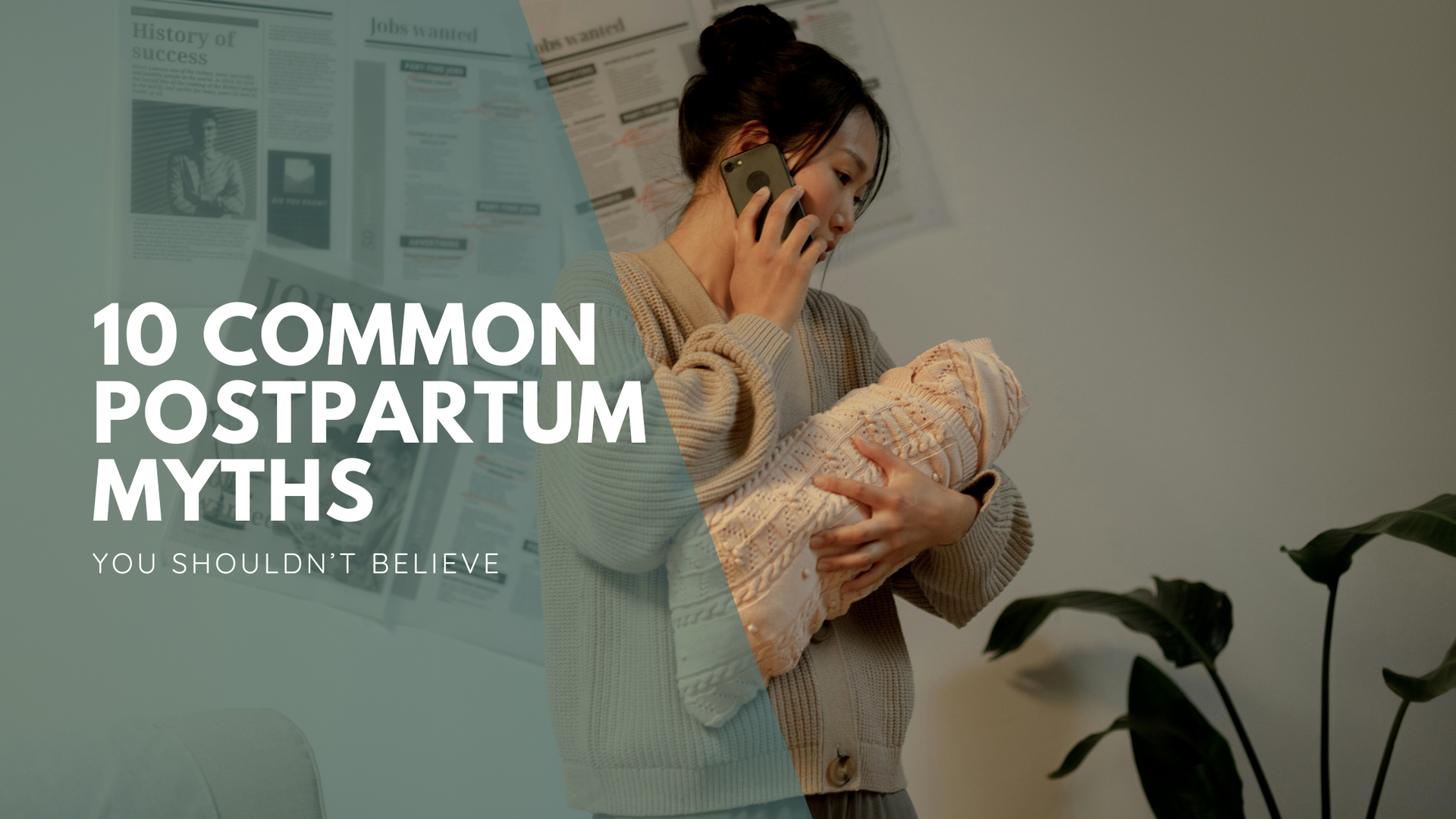
The postpartum period is beautiful, messy, and sometimes overwhelming. You've probably heard all kinds of helpful and intimidating advice. It’s easy to feel pressured to live up to unrealistic expectations about recovery and parenting. Let’s debunk ten of the most common postpartum myths. We want you to feel informed, confident, and supported.
Myth 1: You’ll Bounce Back After Birth
Let’s put this myth to rest: bouncing back is a lie sold to new parents. Your body has just done something miraculous, you grew an entire HUMAN —it’s okay (and necessary) to let it heal.
Instead of striving to get back to your pre-pregnancy self, focus on resting, recovering, and bonding with your baby. Your timeline is yours alone, and that’s the only one that matters. Give yourself grace; you’ve earned it.
Myth 2: Breastfeeding Comes Naturally
Here’s the truth: while breastfeeding is “natural,” it doesn’t mean it’s easy. From latch issues to milk supply struggles, breastfeeding can feel more like learning a new skill than something that just falls into place like we're often told it will.
The good news? You don’t have to figure it out alone. Call in the experts—a lactation consultant, your postpartum doula, or a support group. Breastfeeding is a journey, and you and your baby will learn together.
Myth 3: You’ll Instantly Bond with Your Baby
Some parents feel that magical, movie-moment bond right away—but if you don’t, that’s okay, too. Bonding is a process, and it’s normal for it to take time as you heal and adjust to life with a newborn.
Your worth as a parent isn’t tied to how quickly you feel that connection. Be kind to yourself; the bond will come.
Myth 4: Postpartum Depression Happens Right After Birth
Postpartum depression (PPD) doesn’t always show up right away. It can develop weeks or even months after giving birth. Symptoms like irritability, hopelessness, or anxiety shouldn’t be ignored—help is available.
Reach out to your partner, a healthcare provider, or your postpartum doula if you notice these signs. You deserve support, and there’s no shame in asking for it.
Myth 5: You Can Do It All
Let’s go ahead and throw out the “supermom” myth. Managing the baby, the house, and your career without help is not just unrealistic—it’s a recipe for burnout.
You are not meant to do it all alone. Let others step in, whether it’s your partner, a family member, or a postpartum doula. You deserve to recover without running yourself ragged.
Myth 6: Formula Feeding Means You’re Not Giving Your Best
Here’s the deal: feeding your baby isn’t about perfection but what works best for your family. Your feeding journey isn't up to anyone else, and making sure your baby is cared for is absolutely about giving it your best.
The bottom line is that you have a fed, healthy, and loved baby.
Myth 7: Breastfeeding Will Help You Lose Weight Fast
While breastfeeding burns calories, it is not a guaranteed weight-loss solution. Many people retain extra weight while breastfeeding to support milk production.
Focus on nourishing your body and allowing it to heal. You’ve just done something incredible, and your body deserves love and care.
Myth 8: The “Baby Blues” and Postpartum Depression Are the Same
The baby blues—a temporary feeling of sadness or irritability—are common in the first two weeks after birth. Postpartum depression, however, is more intense and lasts longer. It can include symptoms like and can include hopelessness, anxiety, fatigue, trouble sleeping, or loss of appetite.
If your mood doesn’t improve after a few weeks or worsens, it’s time to reach out for help. You’re not alone, and support is available.
Myth 9: You’ll Spoil Your Baby By Holding Them Too Much
You cannot spoil a newborn. Babies thrive on physical contact and reassurance, which helps them feel safe and builds trust.
So go ahead, hold your baby as much as you want. You’re laying the foundation for a secure and loving relationship! They only stay little for so long.
Myth 10: You’ll Feel Like Yourself Again After Birth
Adjusting to life postpartum takes time, and it’s normal to feel different. Finding your “new self” can be a journey between a newborn's hormonal shifts and caring for a new baby.
Be patient and prioritize self-care. Surround yourself with people who uplift you, and give yourself permission to grow into this new chapter.
FAQs
Is breastfeeding the only way to bond with my baby?
Not at all! Bonding happens through holding, cuddling, talking, and just being present. Feeding methods don’t define your connection.
What if I feel overwhelmed and don’t enjoy motherhood at first?
That’s completely normal. Early motherhood is a whirlwind, and it’s okay to feel overwhelmed. Talk to someone and lean on your support system.
Do all moms experience the baby blues?
Not every parent will, but it’s common. If feelings of sadness or anxiety last more than two weeks, reach out for support—it might be more than the baby blues.
The postpartum period is a time of healing, adjusting, and discovering your new normal. You don’t have to do it alone.
Ready to make this journey as smooth as possible?
Let’s chat about how
postpartum doula support (day or night) can help you rest, heal, and thrive.