Understanding Postpartum Depression
Understanding Postpartum Depression: A Guide for New Parents
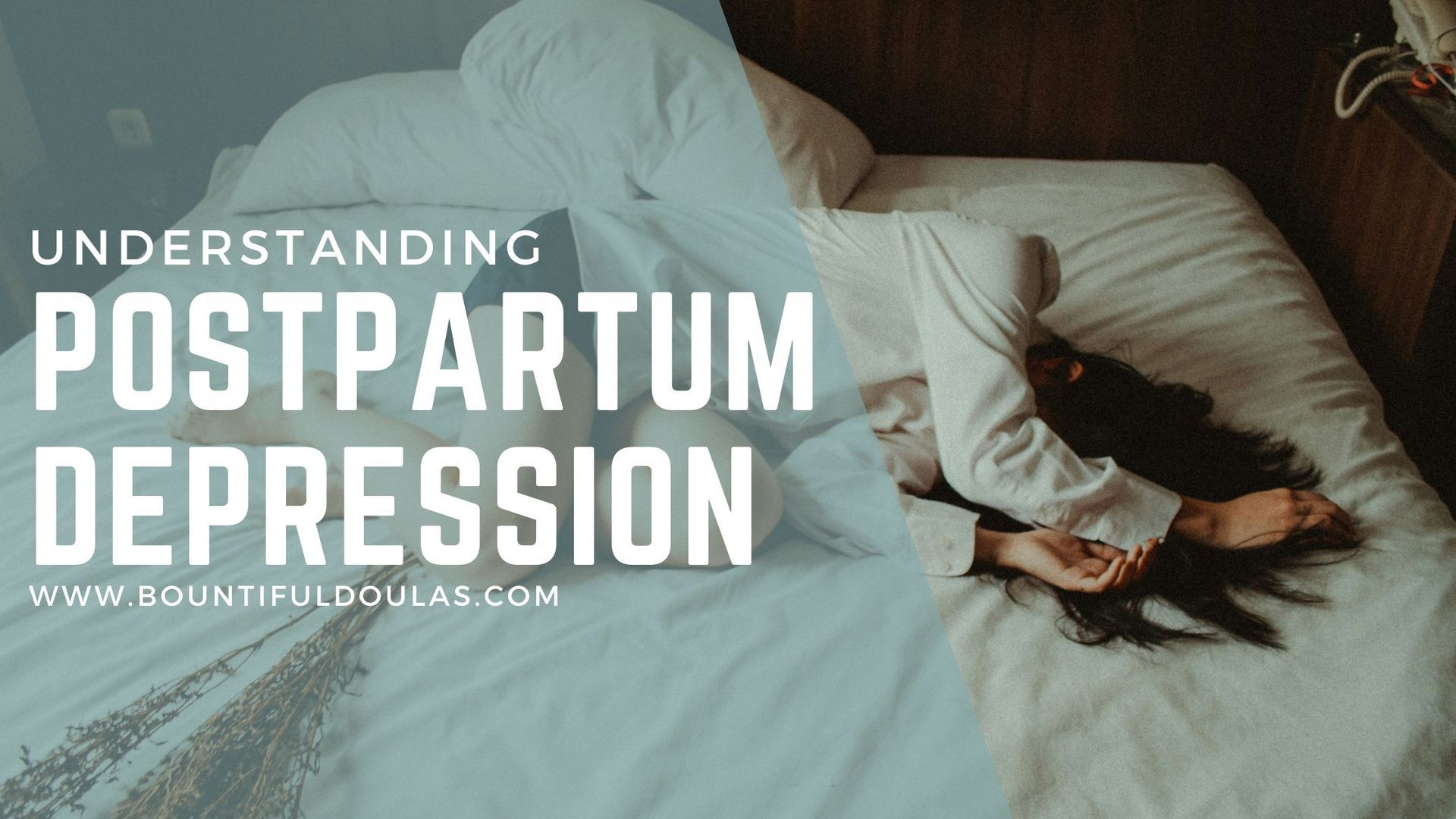
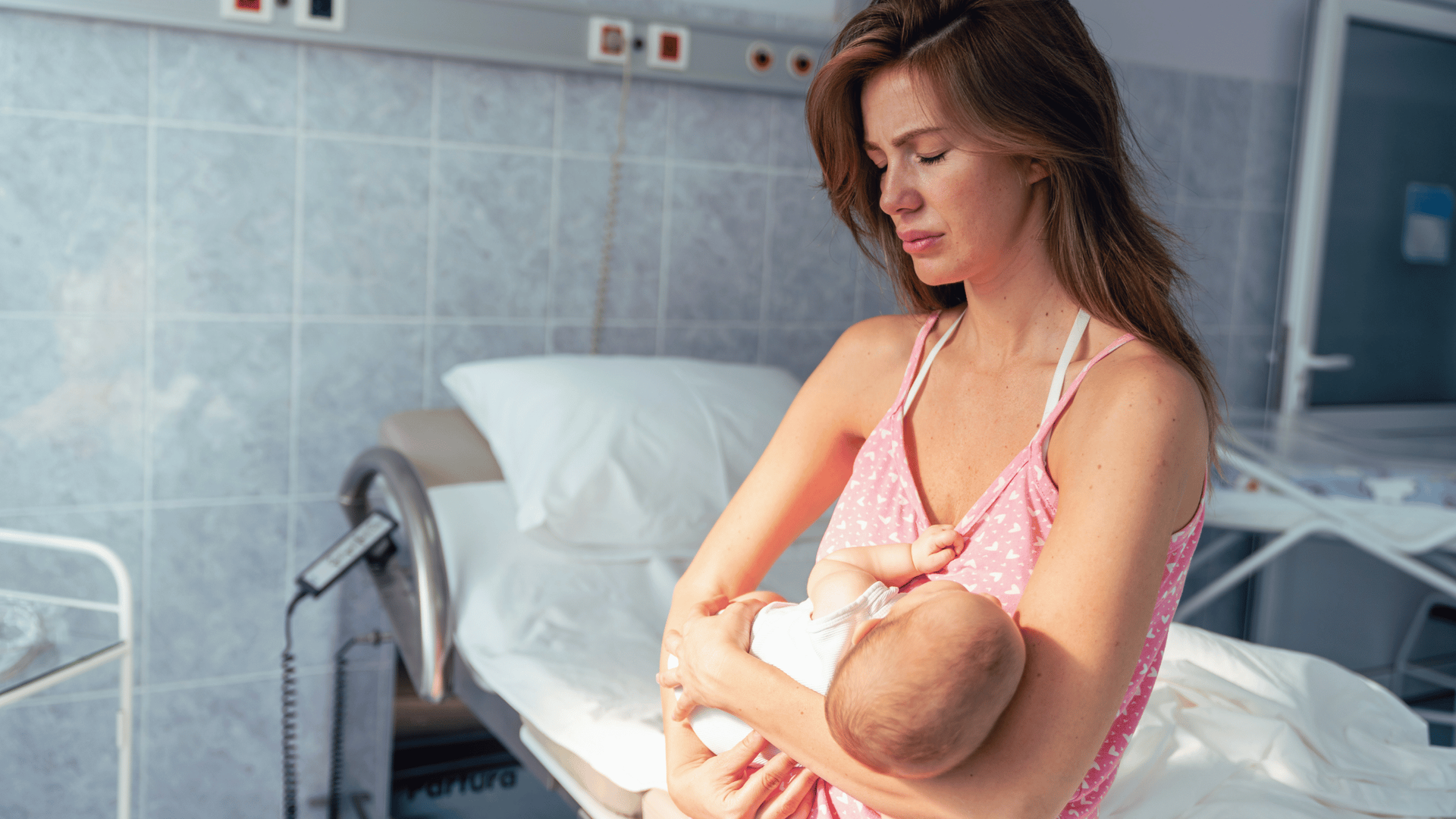
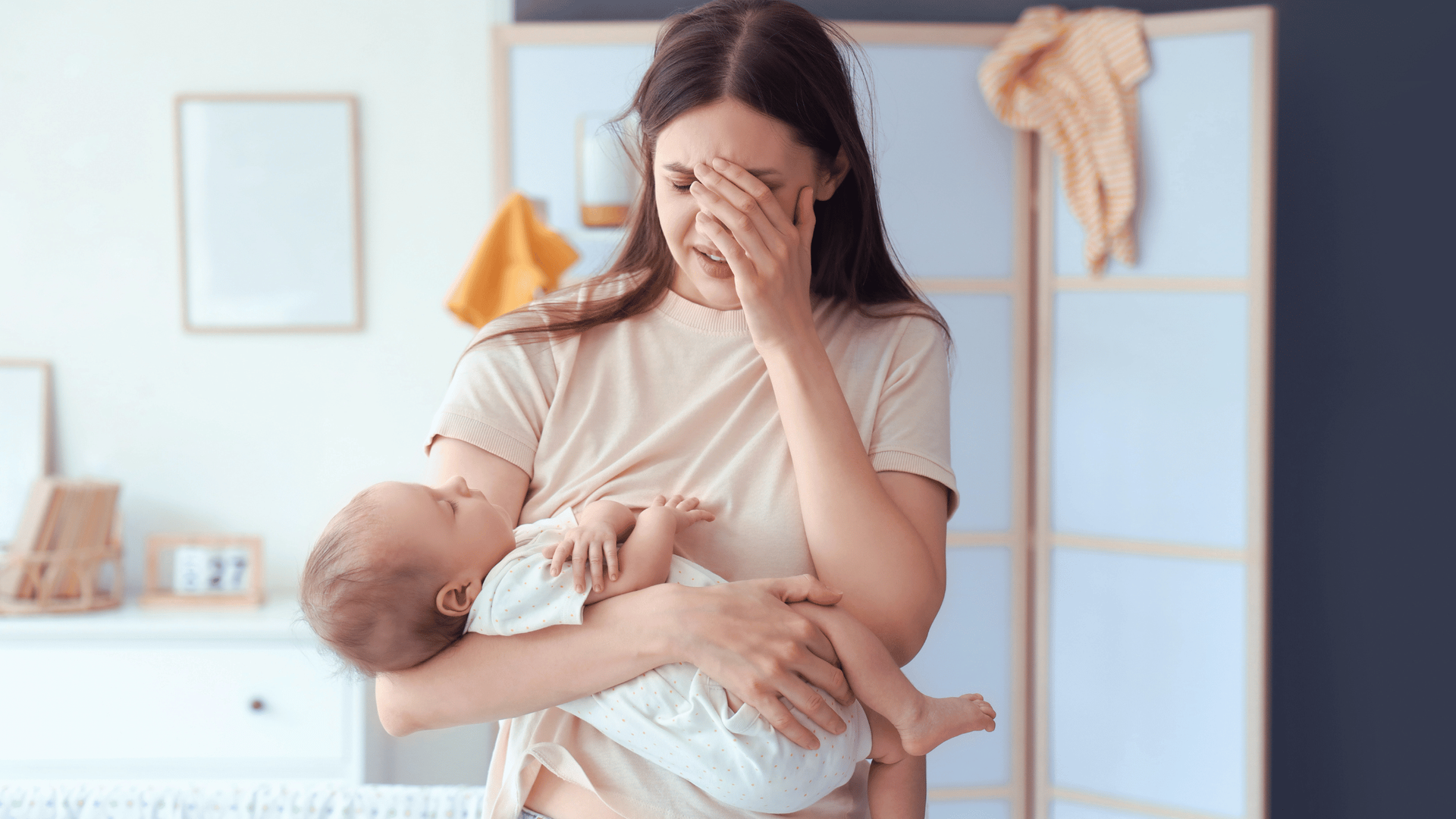
Bringing home your baby can be the start of a beautiful new journey, but that’s not the case for everyone. Instead, some people feel anxious, sad, and disconnected. If that’s you, you're not alone, and it's so important for us to talk about it more often. Postpartum depression (PPD) is a reality for many new parents, but it’s so often misunderstood or even ignored.
What is Postpartum Depression?
Some people think PPD is just the "baby blues," but it’s more than that. Experiencing the baby blues is common, but it’s temporary. PPD is more severe and can go on for several months. It may start just days after giving birth, but it could be up to a year later before you notice any signs. The feelings of sadness, anxiety, and isolation can make it hard to care for your baby or even get through the day.
How Common Is Postpartum Depression?
According to the
American Psychological Association, about 1 in 7 will experience postpartum depression. It doesn't discriminate based on age or race, and it doesn’t matter how prepared you are for the postpartum period. It’s not a sign of weakness or failure and doesn’t mean you’re a bad parent. It can affect anyone.
You are at higher risk of developing postpartum depression if..
- You lack a good support system
- You have difficulty sleeping
- You had a traumatic birth
- You have a history of anxiety/depression
- Family history of anxiety/depression
- This is an unwanted or unplanned pregnancy
Knowing these risk factors can help you better prepare if you are more likely to experience postpartum depression, setting up a good support system, and knowing what signs to look out for.
Recognizing the Signs
Knowing the signs of postpartum depression is essential for getting the help you need and deserve. Common symptoms include:
- Sadness or hopelessness that won’t go away
- Excessive crying
- Severe mood swings
- Difficulty bonding with your baby
- Withdrawal from loved ones
- Changes in appetite
- Difficulty concentrating or making decisions
- Thoughts of harming yourself or your baby
If you’re experiencing any of these symptoms, please don’t hesitate to seek support. You deserve to feel better.
The Role of a Postpartum Doula
A
postpartum doula can be a helpful resource during the postpartum period. We provide emotional support, practical help, and a listening ear. We aim to help you transition smoothly into parenthood and see you thrive. We can help you recognize the signs of PPD and connect you with resources like mental health professionals and support groups. As Postpartum Doulas, we have helped many families who have experienced PMADs, providing resources, cooking them a warm meal, or catching them up on a full night of sleep while we care for the baby.
What You Can Do
If you think you might have postpartum depression, talk to a healthcare provider as soon as you can. If you have a postpartum doula, they can also help you with this. Not only do we provide additional resources like a list of our favorite perinatal therapists in your area, but some of us have additional knowledge and training by completing Postpartum Support International: Components of Care training on Perinatal Mood & Anxiety Disorders.
It can also be helpful to talk to loved ones about how you’re feeling so they can support you. Don’t be afraid to ask them for a little extra help while you’re recovering. Find ways to take time for yourself and get enough rest and food every day. You can find some additional tips for wellness
here (we send this awesome list to all our clients, some print it out to put on their fridge or bathroom mirror!)
Remember that seeking help for PPD is nothing to be ashamed of, and it’s not a sign of weakness. Acknowledging your need for help shows strength.
Frequently Asked Questions
When should I seek help for postpartum depression?
If you experience any signs of PPD, seek help as soon as possible. The sooner you can find help, the better.
Can postpartum depression affect partners?
Yes, research has shown that partners can experience PPD as well. It’s essential to be aware of the signs and seek support if needed.
Can I prevent postpartum depression?
There’s no guaranteed way to avoid PPD. Still, there are ways to reduce your risk, such as getting a support system ready beforehand, practicing self-care, and hiring a postpartum doula to help out or ensuring you have a village in those early days.
Are you worried about postpartum depression or want some extra support after your baby arrives? We offer personalized expert care to help you navigate the ups and downs of the postpartum period. Contact us today to find out how we can help you.