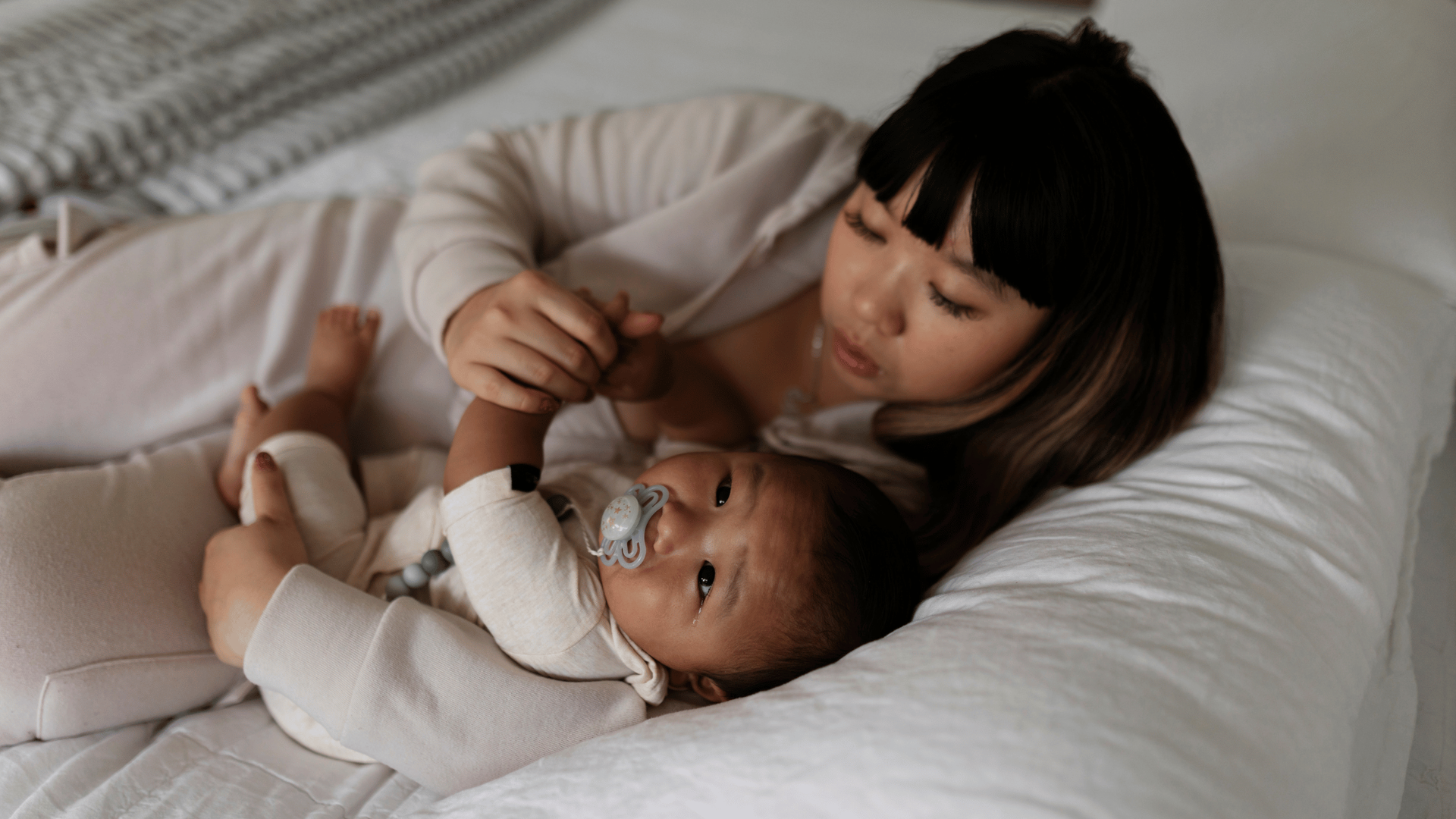
What Every New Dad Should Know: Practical Tips for the Postpartum Journey
What Every New Dad Should Know: Practical Tips for the Postpartum Journey

You’ve read the baby books (or at least skimmed the highlights), built the crib, and you’re ready to be there for your growing family. But most guides don't fully prepare you for what to expect in the days and weeks after birth and how to show up as a supportive, confident partner.
Whether you're feeling excited, overwhelmed, or totally in the dark, you're not alone. We’ve supported so many families, and we know the crucial role dads and non-birthing partners play in shaping a smoother recovery, better bonding, and a more connected home life.
Here’s what every new dad should know to navigate the postpartum journey with confidence and purpose.
1. Postpartum Isn’t Just About the Baby
Yes, babies are the stars of the show, but the birthing parent is
recovering from an intense physical and emotional experience. You might be laser-focused on the baby, but don’t forget that your partner needs care, too.
What you can do:
- Bring them water, snacks, or their meds without being asked
- Help them get comfortable during feedings or rest times
- Check in with how they’re feeling, not just how baby is doing
- Learn what signs of postpartum depression or anxiety look like and how to bring them up gently
Your presence and awareness are powerful. You don’t need to fix everything. You need to be in it with them.
2. Expect Sleep Deprivation (And Make a Plan)
No one sleeps well in the early weeks—and that’s normal. But having a loose plan makes it easier to stay sane.
Try this:
- Take shifts overnight if possible (even a few hours helps)
- Handle the morning routine or take baby out for a walk while your partner naps
- Prep a late-night snack basket so you’re not cooking at 2 a.m.
- Don’t keep score—support each other as best you can and trade off when needed.
Exhaustion makes everything feel harder, whether it's communication, emotions, or even bonding. Rest when you can, and give each other plenty of grace.
3. Your Bonding with Baby Matters And Grows Over Time
Not every dad feels an instant “click” with their baby, and that’s okay. Bonding is built through time, presence, and small moments, not just biology.
Ways to grow your bond:
- Skin-to-skin contact during naps or after bath time
- Talking, singing, or reading to your baby
- Handling diaper changes, bottle feeds, or babywearing
- Taking solo walks with the baby to build confidence and rhythm
The more hands-on you are, the more confident you’ll feel, and the stronger your bond will become.
4. Your Partner Needs More Than Physical Help
Sure, washing dishes and folding laundry are helpful, but emotional support matters just as much. Early postpartum is tender, hormonal, and often lonely.
Here’s how to stay connected:
- Check in daily with: “What do you need today?” or “How are you really feeling?”
- Validate their feelings, even if you don’t understand them fully
- Avoid problem-solving right away—sometimes just listening is enough.
- Remind them that they’re doing a great job.
You and your partner are a team. Encouragement and empathy go a long way.
5. Ask for Support Sooner, Not Later
There’s no prize for doing it all alone. Bringing in help, whether it’s a
postpartum doula, family member, or therapist, is a sign of strength, not failure. It's okay to ask for help, and it's a step towards a healthier, happier family.
Support can look like:
- Overnight postpartum doula care so everyone gets some sleep
- Meal deliveries or help with errands
- Therapy or coaching for the emotional transition to fatherhood
- Scheduling breaks where you both get solo time to recharge
The best thing you can give your family is a regulated, present version of yourself. Asking for help helps everyone.
6. You’re Learning, Too, And That’s Okay
There’s no perfect way to be a dad. You’re allowed to learn, fumble, and figure it out as you go. The key is being open, showing up, and asking questions when you’re unsure.
Tips to stay grounded:
- Follow your instincts (they’re better than you think)
- Be okay with asking for direction from your partner or care team
- Normalize not having all the answers
- Celebrate the small wins: a good diaper change, a calming walk, a moment of peace
You're not expected to know everything, just to care enough to keep learning.
Need Support for Both of You?
Postpartum care isn’t just for birthing parents—it’s for the whole family. At
Bountiful Doulas, we support dads, partners, and co-parents through hands-on help, emotional support, and practical guidance.
We offer:
- Overnight care so you both get rest
- Help with newborn routines and feeding
- Emotional check-ins or referrals to parent support groups
- Setting up your home for less stress and more bonding
We’re here to make the transition smoother for
everyone.
Book a consultation today to learn how postpartum support can help you show up as the partner and parent you want to be.
FAQ
What if I feel disconnected from the baby?
This is normal. Bonding grows through daily care, skin-to-skin, and time spent together.
Is it okay if I feel overwhelmed, too?
Yes. Postpartum is a significant transition for both parents. It’s okay to seek your own support. You're not alone in this.
How long does this intense phase last?
The early weeks are the hardest. By 6–12 weeks, most families find more rhythm, especially with the right support.
Note: Bountiful Doulas is growing into
Utah Postpartum Care! Same team, bigger vision, deeper support across Utah.