
Visitor Overload? How to Set Firm Boundaries in the Fourth Trimester
Visitor Overload? How to Set Firm Boundaries in the Fourth Trimester
The
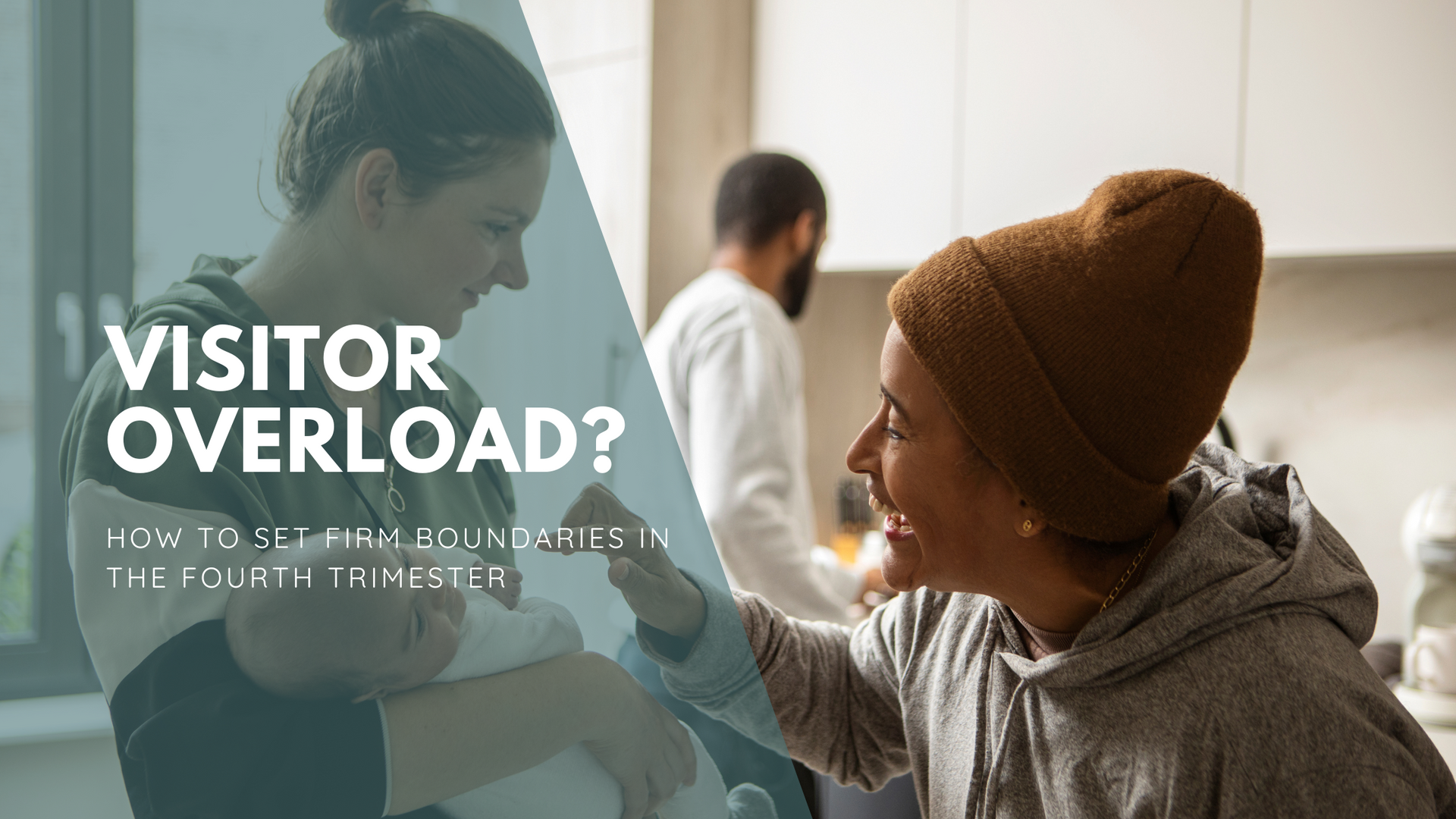
fourth trimester, or the three months following your baby's birth, is a period of intense adjustment, sleepless nights, and adorable newborn moments. While friends and family may be eager to share in your joy, an excessive number of visitors can lead to exhaustion, stress, and a sense of being overwhelmed.
Here’s the truth: you
do not have to entertain a parade of visitors just because they’re excited about the baby. Setting boundaries isn’t about being rude - it’s about prioritizing your recovery, your baby’s needs, and your family’s sanity during this special time.
As experienced
postpartum doulas, we’ve guided numerous families through the challenges of managing visitor overload. We're here to share our insights on setting compassionate yet firm boundaries to safeguard your peace during the fourth trimester. This time is about you and your immediate family, not extra guests!
Why Boundaries Matter in the Fourth Trimester
Your
postpartum recovery is just as important as the birth, if not more. How you heal in your early postpartum days, can affect you and baby for years to come. Remember, visitors can disrupt crucial bonding moments, establishing feeding routines, and your ability to rest which is essential for both your physical and emotional well-being.
Boundaries help:
- Protect your recovery time
- Encourage quality over quantity in visits
- Minimize stress and overwhelm
- Create space for you and your partner to bond with your baby
Step 1: Communicate Your Needs Before Baby Arrives
The best time to establish boundaries is before your little one arrives. Share your plans and preferences with family and friends to set expectations early.
How to Do It:
- Send a group text or email outlining your postpartum plans:
“We’re so excited to welcome Baby soon! During the first few weeks, we’ll be focusing on recovery and bonding as a family. We’ll let you know when we’re ready for visitors!”
- Be clear about your priorities, whether it’s limiting visits to specific days or asking for short visits only.
- Let them know what kind of support is welcome—like bringing a meal or helping with household tasks.
Pro Tip: If you’re concerned about potential resistance, you can always refer to your postpartum doula, pediatrician, or healthcare provider. We're more than happy to take the blame if it means getting you some extra rest and bonding time!
For instance, you could say, "Our postpartum doula suggests limiting visitors the first few weeks to help us establish feeding routines and catch up on rest while I heal."
Step 2: Set Visitor Ground Rules
When you do
allow visitors, clear guidelines help everyone feel comfortable and prevent misunderstandings.
Key Ground Rules to Consider:
1. Timing: “Visits will be between 2–4 PM and last no more than ___.”
2. Health Requirements: “If you’ve been sick recently or aren’t feeling well, we kindly ask you to wait to visit.”
3. Hygiene: “Please wash your hands before holding the baby. No kissing baby at any time.”
4. Hands-Off Policy: “Babywearing is our way of keeping baby calm around new guests."
Post these rules near your door or include them in your visitor message. It saves you from repeating yourself 20 times a day.
Step 3: Empower Your Partner to Be the Gatekeeper
Your partner, another close family member, or postpartum doula can act as a buffer between you and visitors, giving you space to recover without confrontation.
How They Can Help:
- Politely decline drop-ins: “Today isn’t a good day for visitors, but we’ll let you know when we’re ready!”
- Manage visits: “Thanks for coming by! We’ll need to wrap up in about 15 minutes so baby can nap.”
- Enforce health and hygiene rules: “Would you mind washing your hands before holding baby?”
Step 4: Prepare for Drop-In Visitors
Despite your best efforts, some people may still show up unannounced. Here’s how to handle unexpected visitors without losing your cool.
How to Handle Drop-Ins:
- Don’t answer the door (yes, this is an option!).
- Politely but firmly let them know it’s not a good time:
“We’re so sorry, but we’re focusing on rest right now. Let’s plan a visit for another day!”
- Post a sign on your door:
“Thank you for your love and support! We’re enjoying quiet time as a family. Please text us to schedule a visit for another day.”
Step 5: Don’t Be Afraid to Say No
It’s okay to protect your peace. You don’t owe anyone access to your home or your baby.
How to Say No Kindly:
- “We’re keeping visits short and sweet right now. Thank you for understanding!”
- “We’re not up for visitors this week, but we’ll let you know when things settle down!”
- “Thank you for wanting to help! Right now, we’re focusing on adjusting, but we appreciate your support.”
- "We're not ready for visitors yet, but would appreciate a warm meal - feel free to leave it on our porch and we'll let you know when it's time to come back and meet baby. Thank you!"
Pro Tip: Saying no doesn’t mean forever. You can always revisit your boundaries when you feel more settled.
Step 6: Welcome the Right Kind of Help
Not all visitors have to be “entertained.” Some people genuinely want to help - so let them! Make a list of ways they can support you during their visit.
Ways Visitors Can Help:
- Bring a meal (bonus points if it’s freezer-friendly!)
- Fold laundry or wash dishes
- Hold the baby while you shower or nap
- Take older siblings for an outing
- Run an errand for you
If they insist on holding the baby, let them do so
after they’ve completed a helpful task or while you get some much needed rest in!
Step 7: Give Yourself Permission to Change the Plan
Postpartum life can be unpredictable, and what feels okay one day might feel overwhelming the next. That’s normal! Allow yourself to adjust your boundaries as needed.
How to Revisit Boundaries:
- If visits feel like too much, pause them:
“We need to take a little break from visits for now. Thanks for understanding!”
- If you’re ready for more support, invite someone over for a task-based visit.
- Trust your instincts - your postpartum needs come first.
Final Thoughts: Your Postpartum Peace Is Worth Protecting
Setting boundaries in the fourth trimester isn’t about shutting people out, or not letting them meet your cute baby. It’s about creating space for recovery, bonding, and rest. Whether it’s a clear “no” to unplanned visits or a kind “yes” to someone bringing over dinner, boundaries let you focus on what truly matters: your baby, your healing, and your family's well-being.
FAQs
Q: How do I enforce boundaries without upsetting people?
Be kind but firm. Use phrases like “We appreciate your understanding as we prioritize our recovery right now.” Most people will respect your honesty when they see it comes from a place of love and care.
Q: What if someone doesn’t respect my boundaries?
Stick to your plan. If they insist on overstepping, it’s okay to say, “We really need this time to ourselves right now.” You can revisit the conversation when you’re ready.
Q: How can I communicate boundaries to extended family without drama?
Set expectations early, ideally before the baby arrives. Use a group message or email to share your plans so everyone hears the same thing.
Q: Can I change my boundaries if I feel more (or less) up for visitors later?
Absolutely! Boundaries aren’t set in stone. Adjust them as your needs change and communicate updates with your support network.
Q: What if I don’t want visitors at all during the fourth trimester?
That’s entirely okay! You can opt for no visitors and instead ask for support in other ways, like meal drop-offs or virtual check-ins.
The fourth trimester is a special time, and protecting it is a gift to yourself and your family. Need more personalized guidance or support during this transition? Book a consultation with Bountiful Doulas today and let us help make your postpartum journey peaceful and supported.