Understanding the Effects of Sleep Deprivation: Tips for Postpartum Moms
Understanding the Effects of Sleep Deprivation: Tips for Postpartum Moms
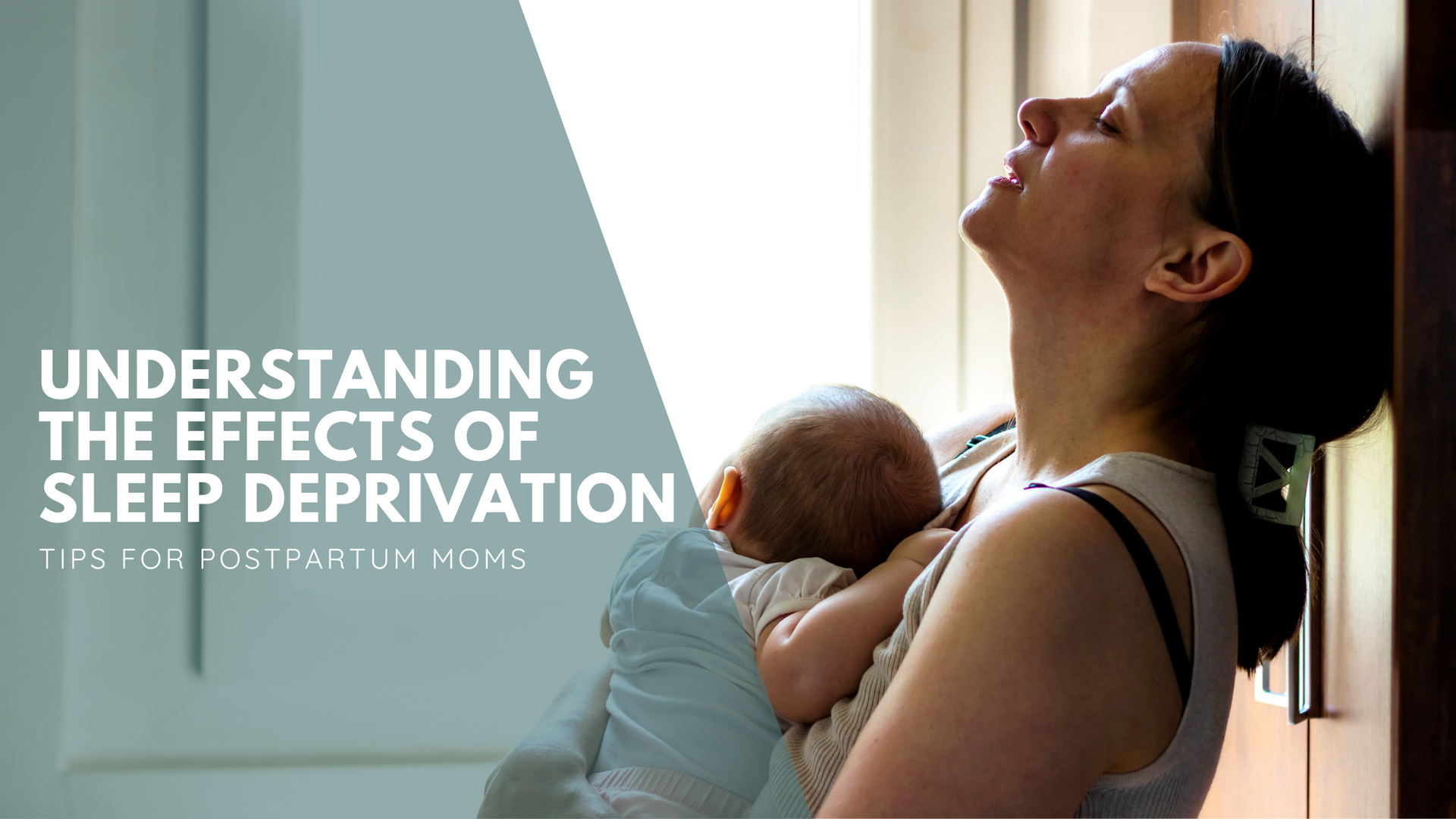
Bringing a baby into the world is an amazing experience. There is so much joy and excitement that comes with it, but there are challenges that can really take a toll on your well-being. Many moms we work with say sleep deprivation is one of the hardest parts of those first few months. Let’s talk about how sleep deprivation can impact you and how you can manage it.
The Physical Impact
It’s okay if you find yourself struggling to get through simple tasks that once felt like second nature. Your body is working hard, and it deserves patience and care. Adjusting to a change in your routine and having a baby on a different sleep schedule can make you feel exhausted from sleep deprivation. This can make even everyday tasks feel overwhelming. Your body needs rest to heal after childbirth and maintain your overall health.
A lack of sleep can also weaken your immune system, making you more susceptible to illnesses. A weakened immune system can make recovery take longer than usual, even if it’s just a cold, which can make things even harder when caring for a newborn.
The Emotional Impact
Sleep deprivation can significantly affect your mood, making you irritable and experience mood swings. This kind of exhaustion can make it harder for you to manage stress, keep a positive outlook, and enjoy being a new mom.
Chronic lack of sleep is linked to an increased risk of postpartum depression and anxiety. The hormonal changes combined with sleep deprivation can
worsen these conditions, making it important to seek support. Addressing sleep issues and getting help from loved ones or professionals can improve your emotional well-being and help you cope better.
Sleep deprivation also affects cognitive functions, memory, concentration, and decision-making. This can make it difficult to focus on tasks, remember important information, or make sound decisions, adding to the challenges of motherhood.
Effects On Your Baby
Sleep deprivation doesn’t just affect you–it can also affect your relationship with your baby. Exhaustion can make it difficult to respond to your baby’s needs, which can affect how well you bond with each other during these crucial early days.
When you’re tired, it’s hard to be present and attentive. This can make you less patient and nurturing, two qualities your baby needs from you. Many parents find that when they’re not in the best mood, their baby isn’t either. Getting enough rest helps ensure you can provide your baby with loving, responsive care.
Tips on Managing Sleep Deprivation
Prioritize Rest
It might get frustrating to hear, but sleeping when your baby sleeps can be really helpful. Otherwise, find time to nap during the day or go to bed earlier to make up for lost sleep. That’s easier said than done, but it’s crucial for taking care of yourself and your baby.
Share Nighttime Duties
If you have a partner or support system, share nighttime responsibilities with them. Alternating nights or shifts can help both parents get more rest. If you’re breastfeeding, you’ll still have to get up to feed your baby, but your partner or someone else can handle diaper changes and make sure you have everything you need. If you want the extra rest, though, pumping allows someone else to feed your baby.
Build a Support Network
Don’t hesitate to reach out to friends, family, or a postpartum doula for support. They can help with household tasks, offer emotional support, and provide practical assistance while you’re still adjusting to this new phase of life.
Try Gentle Exercise
You don’t want to overdo it while your body is still recovering and you’re already tired, but getting in some light, gentle exercise can benefit your overall health. It’s not only good for you physically but can also improve your mental health and help you sleep better at night.
Sleep deprivation is a common challenge for new moms, but understanding its effects and finding strategies to manage it can make a big difference. Remember, taking care of yourself is essential for being the best mom you can be.
FAQ
Should I worry if I can’t sleep when my baby sleeps?
It’s common to struggle with sleeping when your baby sleeps. It could be due to anxiety or stress. You might want to try relaxation techniques like deep breathing, meditation, or talking to your provider about managing anxiety. If it’s because you have too much to do, don’t be afraid to ask for help. It doesn’t all have to be on your shoulders.
How can partners support new moms dealing with sleep deprivation?
They can take turns with nighttime duties, pitch in with household tasks, and provide emotional support. Open communication about needs and expectations is key.
You don’t have to go through this time alone.
Reach out today to learn how a postpartum doula can help you get more rest and give you the best postpartum experience.