
Surviving Postpartum Nights: Tips, Truths, and Support That Helps
Surviving Postpartum Nights: Tips, Truths, and Support That Helps
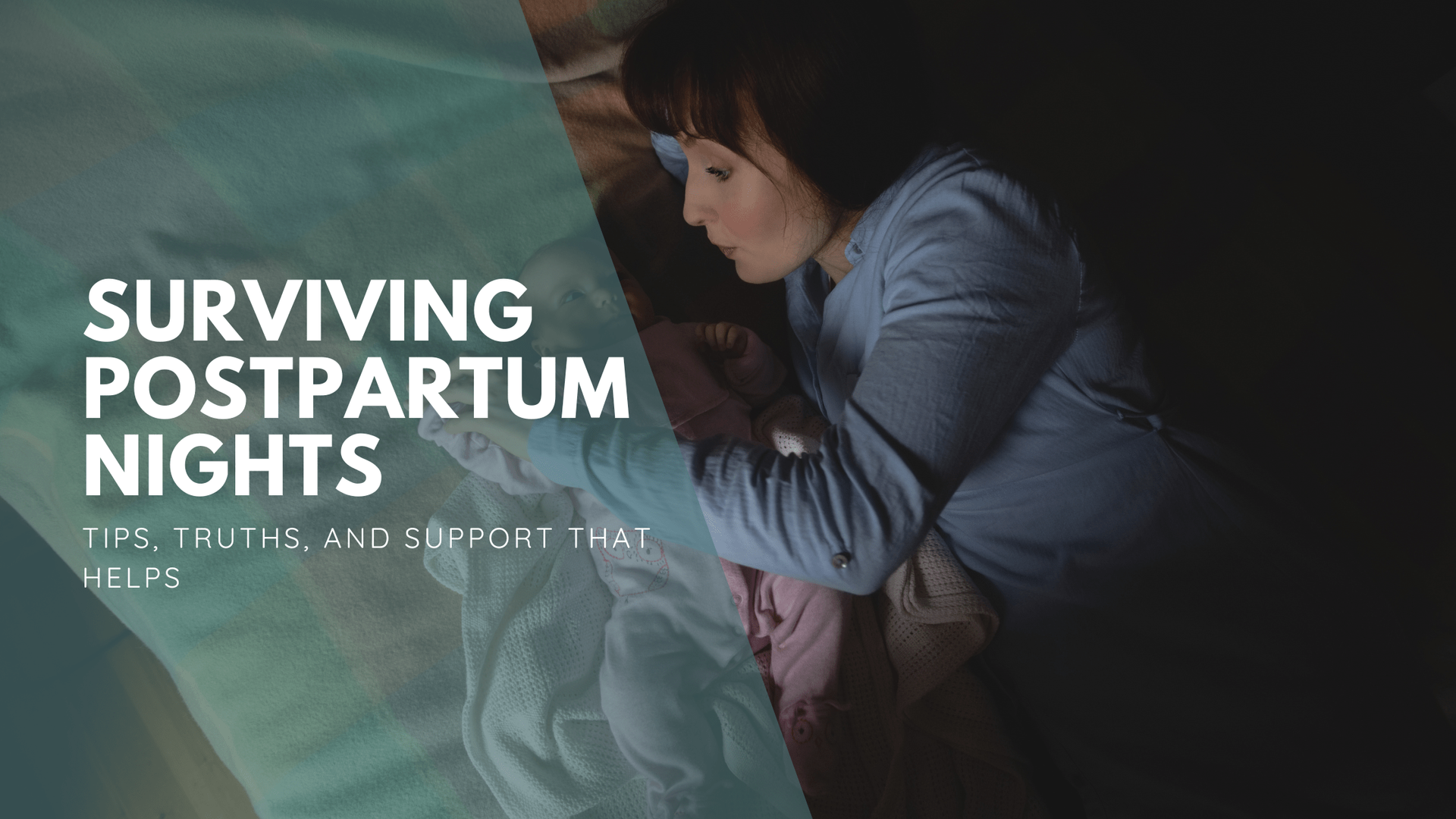
You planned for birth, prepped the nursery, and stocked the freezer. You did everything you were supposed to. But nothing could have prepared you for this moment:
It’s 3:17 a.m., and the baby is crying again. You fed them. You changed them. You checked everything you could think of.
Your body aches, and your brain is foggy. Maybe you’re asking yourself,
Is this normal? Am I even doing this right?
Welcome to the middle of the night. It’s raw. It’s real. Plenty of people talk about it, but living it is a whole different story.
When the Rest of the World Is Asleep
In those early weeks, nights are long. The world is quiet, but inside your home and mind, everything feels loud. The baby’s tiny whimpers. Every creak the floor makes. Even the spiral of thoughts:
Am I doing this right?
Why won’t she sleep?
Why am I crying now?
It’s lonely, being the only one awake and alert in a house where everyone else is asleep. Doubt can creep in, and your nervous system lives on high alert. You might start to dread sunset, knowing what’s ahead.
And yet, you keep going. Feed, burp, bounce, repeat.
What You're
Not Doing Wrong (Even If It Feels Like Everything)
Let’s be clear:
This is not a failure.
You’re not failing because your baby wants to be held all night. It’s okay if you look up “newborn sleep schedule” at 2 a.m. You’re not a bad parent if you’ve felt overwhelmed, unsure, or just plain
done some nights.
These feelings don’t mean you’re not
bonded. You’re exhausted and responding to a life-altering shift in your world. Be kind to yourself. You're doing the best you can.
Little Things That Make a Big Difference
Sometimes it’s not about fixing everything. Maybe all you can do is find ways to make it a little easier. A few simple supports can go a long way in making those hours feel less overwhelming:
- Set up a Night Station: Snacks, water, chapstick, nipple balm, a phone charger, and a small dim light can make your feeding corner feel less like a cave and more like a nest.
- Use a Hands-Free Pump: Let one side collect milk while you feed from the other. Passive milk stash. No stress. (We love the Willow and Elvie)
- Shift Expectations: Don’t aim for 8 hours of sleep. Aim for enough rest to function, however that comes.
- Let Go of the Clock: Obsessing over how long it’s been since the last feed won’t help. Neither will timing wake windows at 4 a.m.
- Repeat a Grounding Phrase: “We’re both learning.” “This is temporary.” “I am not alone.”
You Deserve Backup
Here’s the part no one puts on the baby registry: You need someone who sees
you.
A postpartum doula doesn’t just help with baby. They support you in moments like these.
- The long nights.
- The lonely feeds.
- The decision fatigue.
- The crash after visitors leave.
They can help create rhythms that work for your family, ease the transition between night and day, and remind you—over and over—that you’re not doing this alone.
And when they’re not physically there? Their wisdom still echoes. The tips they gave. The permission to rest. The reassurance that you’re doing enough.
You’re Not Broken. This Is Just Hard.
If the middle of the night feels like too much, it’s not because you’re weak. It’s because this is hard. Full stop.
Let
your village include someone who knows how to hold space for the messiest, sleepiest, most sacred parts of postpartum life, even at 3:17 a.m.
Need support during the toughest hours?
Postpartum care doesn’t stop when the sun goes down. If your nights feel overwhelming, we’re here to help.
Reach out to learn how we can help you get the rest you need and deserve.
FAQ
How do I know if my feelings are “normal” or if I should seek help?
Feeling overwhelmed and exhausted is common, and it's normal to be unsure of yourself at first. But if you’re experiencing sadness or anxiety that won't go away, or thoughts that worry you, it's best to talk to a healthcare provider or mental health professional.
Can a doula help with breastfeeding challenges?
Absolutely! A postpartum doula is trained to provide hands-on support and guidance, helping you find comfortable positions, troubleshoot common problems, and build confidence. They can also help you find a lactation consultant if necessary.
What can I do if I’m not able to sleep during my baby’s naps or at night?
Rest isn’t always easy, but try to nap when your baby naps if possible. Limit screen time before bed. Create a calming environment by using blackout curtains, white noise machines, and comfortable bedding. And never hesitate to ask for help so you can take breaks.
Note: Bountiful Doulas is growing into
Utah Postpartum Care! Same team, bigger vision, deeper support across Utah.