Staying Connected to “You” in Postpartum Life: A Guide to Self-Care
Staying Connected to “You” in Postpartum Life: A Guide to Self-Care
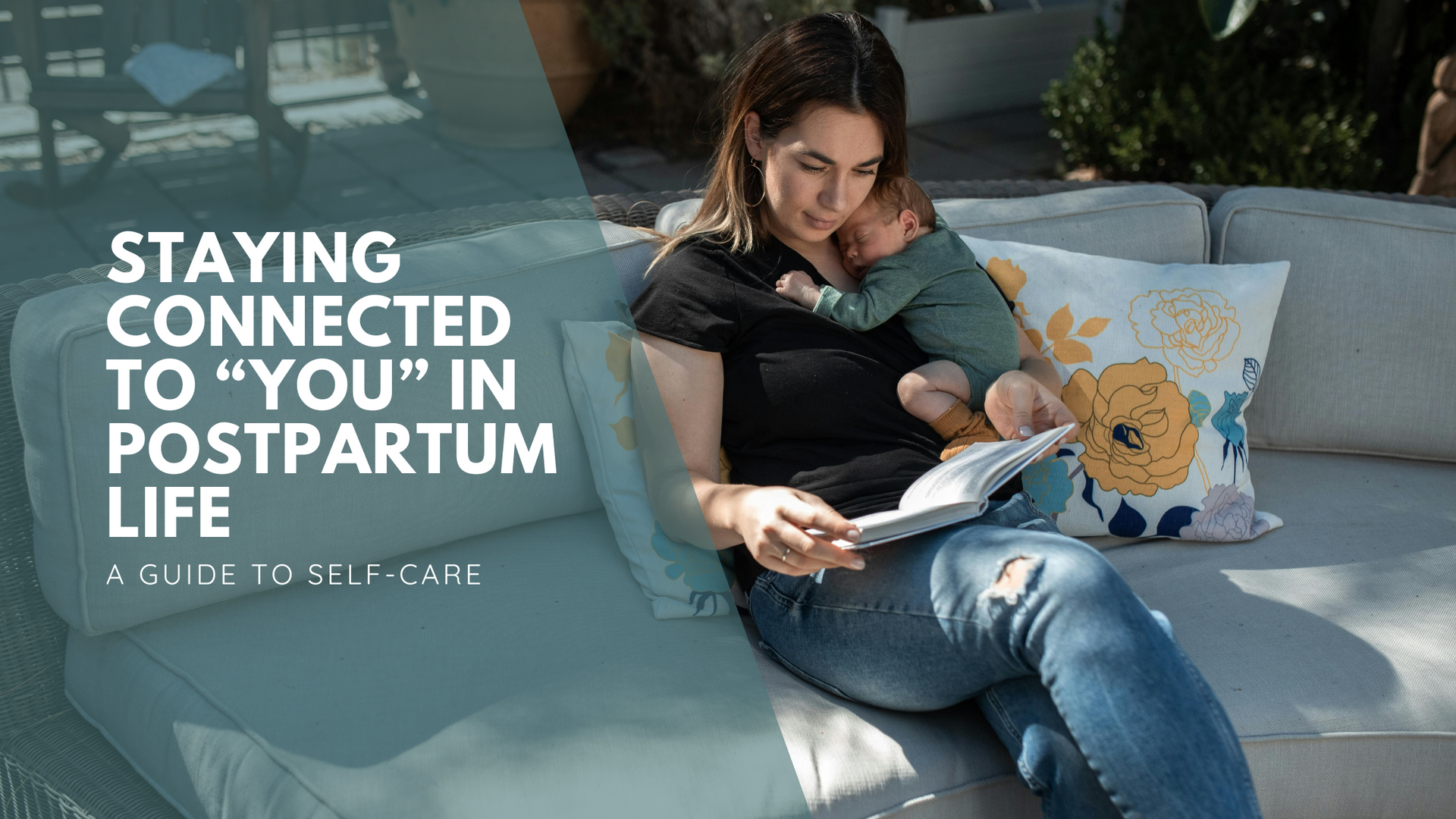
Before I became a mom, I never really understood just how much my identity would change. Everyone warned me, but I just didn't quite understand. I knew life would change, but I didn’t expect to feel like I had disappeared into the role of “mom” overnight. Between the sleepless nights, round-the-clock feedings, and adjusting to this tiny human depending on me for everything, I wondered—where did I go?
If you’ve felt this way, too, you’re not alone.
Your baby needs a happy, healthy, and emotionally supported parent. But let’s be real—self-care feels impossible when you’re running on fumes and haven’t had a meal that isn’t half-eaten over the sink. I’ve been there. I also know that even the smallest acts of self-care can make a huge difference. Taking care of yourself doesn’t mean neglecting your baby—it means making sure you have what you need to show up as the best version of yourself.
Practical Ways to Reconnect with Yourself in Postpartum
1. Honoring Your Basic Needs
Self-care isn’t about grand gestures—it’s truly about survival some days. I remember setting my coffee down somewhere and finding it cold hours later. Does this sound familiar? Try making small tweaks:
- Keep snacks in places you tend to nurse or bottle-feed (trust me, one-handed snacks are a lifesaver). Eat when the baby eats!
- Keep a water bottle nearby with electrolytes and sip throughout the day.
- Rest when you can—whether it’s a nap, lying down for five minutes, or letting yourself do nothing while the baby sleeps.
2. Set Boundaries and Ask for Help
I used to think I had to prove I could do it all on my own. Spoiler alert: I couldn’t, and neither should you.
- If visitors stress you out, set clear boundaries. (“We’d love to see you! Here’s when we’re up for company.”)
- Accept help when it’s offered. If someone asks, “What can I do?”—give them a task (e.g., fold laundry, bring food, hold the baby while you take a hot shower!).
- If family or friends aren’t available, consider hiring a postpartum doula for physical and emotional support.
3. Find Small Moments for Joy
You don’t need hours to reconnect with yourself—sometimes, a few intentional minutes is enough.
- Put earbuds in and play music or a podcast you love while feeding your baby.
- Step outside for a few breaths of fresh air, even if it’s just on your porch.
- Jot down a thought, doodle, or meditate to remind yourself that you matter, too.
4. Reclaim Your Identity Beyond Parenthood
It’s okay to miss the version of you before baby—but you don’t have to lose them completely.
- Stay connected with friends, even if it’s through text or voice messages.
- Wear something that makes you feel good, even if it’s just leggings that aren’t covered in spit-up.
- Do something, however small, that reminds you of you, whether it’s reading a few pages of a book, enjoying your favorite tea, or going out for a cup of coffee.
5. Find Emotional Support for New Moms
Postpartum can feel lonely, even if you aren't actually alone.
- Join a local or virtual postpartum support group—having mom friends who get it is a game-changer.
- Stay in touch with friends who uplift you, not the ones who make you feel like you’re doing it wrong or don't have time for them.
- Work with a postpartum doula for expert support that meets you where you are, with no judgment.
You Deserve Support, Too
Taking care of yourself is not selfish—it’s essential. I know firsthand that it’s hard to prioritize yourself when your baby needs so much from you. But when you feel nourished, supported, and seen, you can show up as the best version of yourself for your baby and family.
You don’t have to do this alone. Book a consultation to see how we can help you take care of YOU!
FAQ
Why is self-care important for parents?
Self-care helps parents avoid burnout, manage stress, and feel emotionally balanced, making it easier to care for their baby with more patience and energy.
What are some simple self-care ideas for postpartum?
Hydrate, eat nourishing meals, take short breaks, listen to music, journal, or step outside on a short walk for fresh air to reconnect with yourself.
How can a postpartum doula help with self-care?
A postpartum doula provides hands-on support, newborn care guidance, emotional reassurance, and practical help so parents can rest, heal, and prioritize their well-being.
How can I stay connected to myself while adjusting to life with a baby?
Find small moments for joy, maintain friendships, set boundaries, and carve out time for things that make you feel like
you beyond parenthood.
Since this post was written, we’ve expanded into
Utah Postpartum Care, continuing the work we started as Bountiful Doulas to support even more families with postpartum care.