Gentle Support After Birth: How CranioSacral Therapy Aids Postpartum Healing
Gentle Support After Birth: How CranioSacral Therapy Aids Postpartum Healing
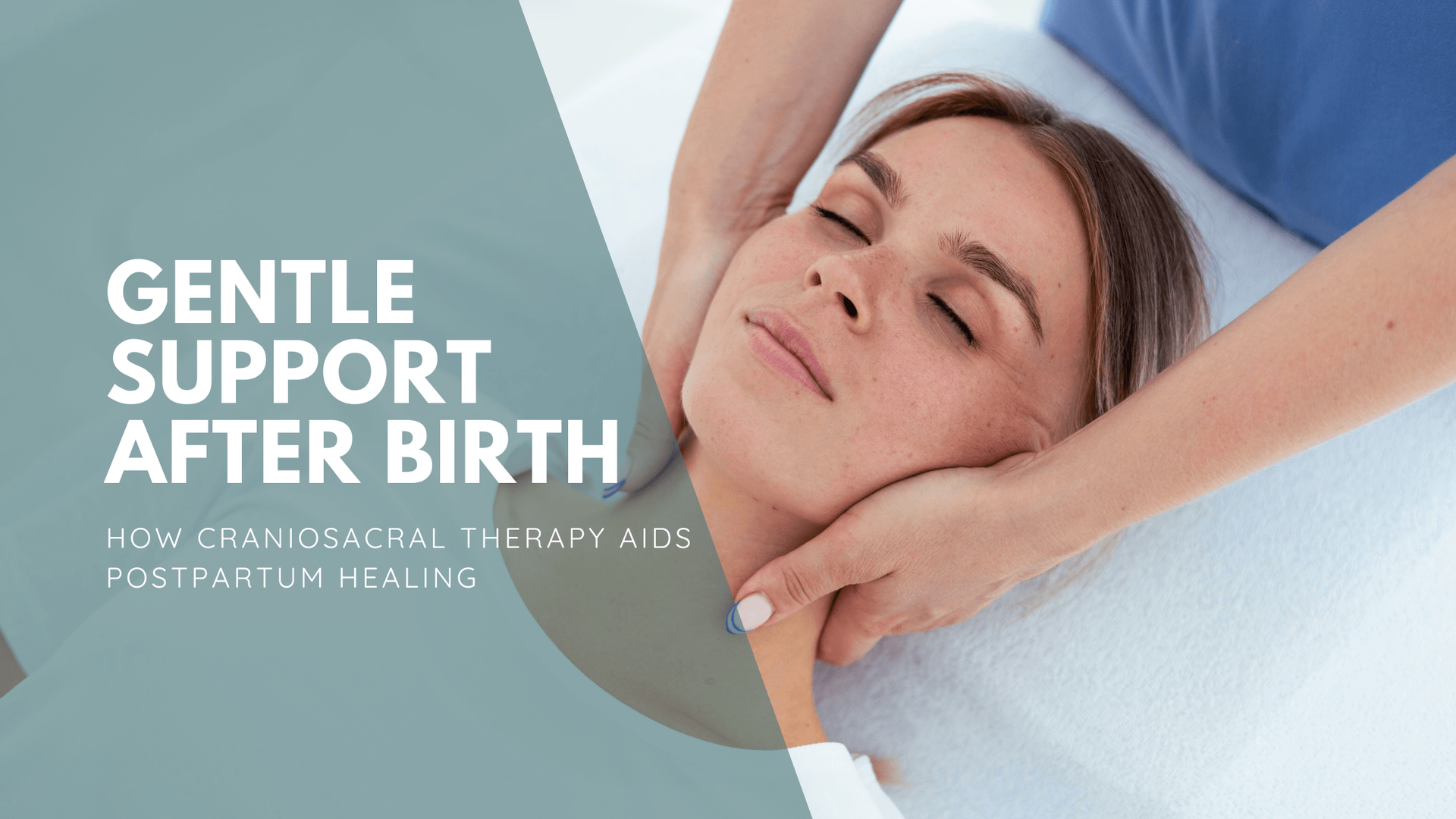
Bringing a baby into the world is a profound experience. As a postpartum parent, your body and mind are in a constant state of transition, adapting to the physical, emotional, and hormonal changes that follow childbirth. Whether your birth was smooth or complex, your nervous system and tissues may be holding onto tension and overwhelm. In this delicate window of recovery, CranioSacral therapy offers gentle, restorative care that meets you exactly where you are.
What Is CranioSacral Therapy?
CranioSacral therapy (CST) is a gentle, hands-on modality that works with the CranioSacral System—the membranes and cerebrospinal fluid surrounding the brain and spinal cord. Using light touch (about the weight of a nickel), a practitioner follows the body's natural rhythms and helps release restrictions in the connective tissues and nervous system.
The intention is not to "fix" but to support the body in returning to balance and optimal function. This quiet, non-invasive technique helps regulate the autonomic nervous system, supporting the transition from a fight-or-flight state into a calmer, more restorative one. Because it's so gentle, CST is safe and effective for people of all ages—including newborns.
Why CranioSacral Therapy Matters for Postpartum Recovery
Postpartum recovery often focuses on the baby's needs, but the birthing parent deserves dedicated care, too. After birth, it's common to experience:
- Pelvic and sacral discomfort
- Neck, shoulder, or back tension from feeding and carrying
- Hormonal and emotional fluctuations
- Fatigue, overwhelm, or postpartum anxiety
- Difficulties with breastfeeding or latch
Even a birth that goes "as planned" can place significant strain on the body. A long labor, surgical birth, epidural, or birth trauma can create deeper layers of restriction. CranioSacral therapy works with these patterns gently, encouraging the body to unwind at its own pace.
Clients often describe sessions as grounding, calming, and clarifying—as though they can finally exhale. Many report better sleep, reduced physical tension, and increased emotional resilience after just a few sessions.
Emotional Support Through the Nervous System
Your nervous system is deeply impacted by childbirth. When dysregulated, it can lead to symptoms like heightened anxiety, trouble sleeping, mood swings, and difficulty bonding. CST supports nervous system regulation, which in turn can improve emotional well-being.
CST is especially supportive for:
- Postpartum anxiety and overwhelm
- Birth trauma integration
- Emotional release without re-triggering
- Creating space for stillness and reconnection
It's important to note that this work is not talk therapy. However, emotional releases sometimes surface during sessions—in the form of tears, insights, or deep relaxation. The therapy honors the body's wisdom, allowing healing to unfold naturally.
Supporting Breastfeeding and Physical Recovery
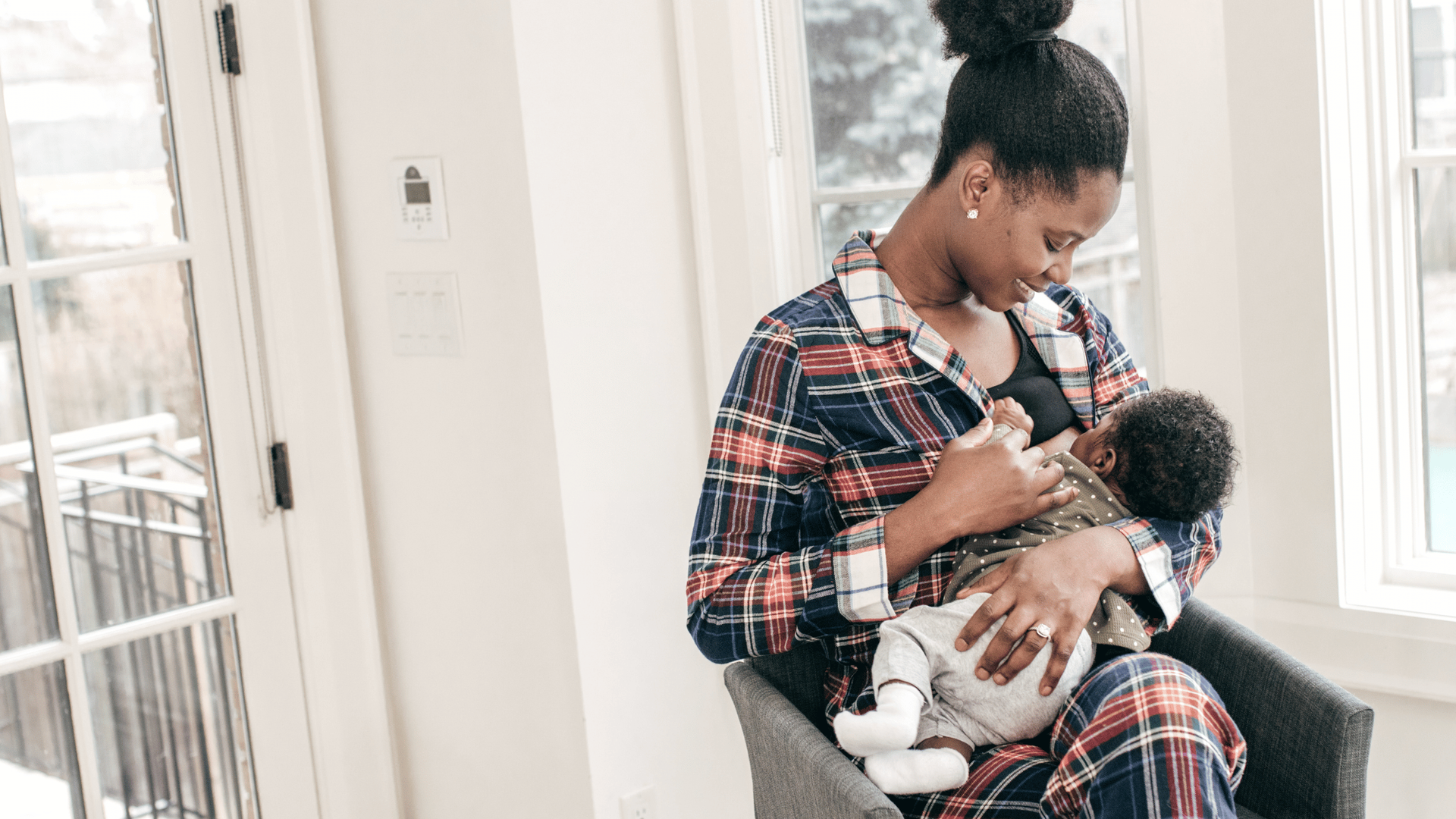
For postpartum parents struggling with breastfeeding, CST can be an unexpected source of support. Jaw tension, misalignment, or neck and shoulder tightness can all impact a parent's comfort and capacity to feed. CST addresses these structural and fascial imbalances, easing strain and improving body awareness.
CST can also help after interventions such as:
- C-sections (releasing fascial tension and supporting scar healing)
- Epidurals (supporting the spine and surrounding tissues)
- Instrumental deliveries (rebalancing pelvic and cranial bones)
It is a gentle and effective complement to other postpartum supports like pelvic floor therapy, lactation consulting, and doula care.
Whole-Body Healing for the Whole Family
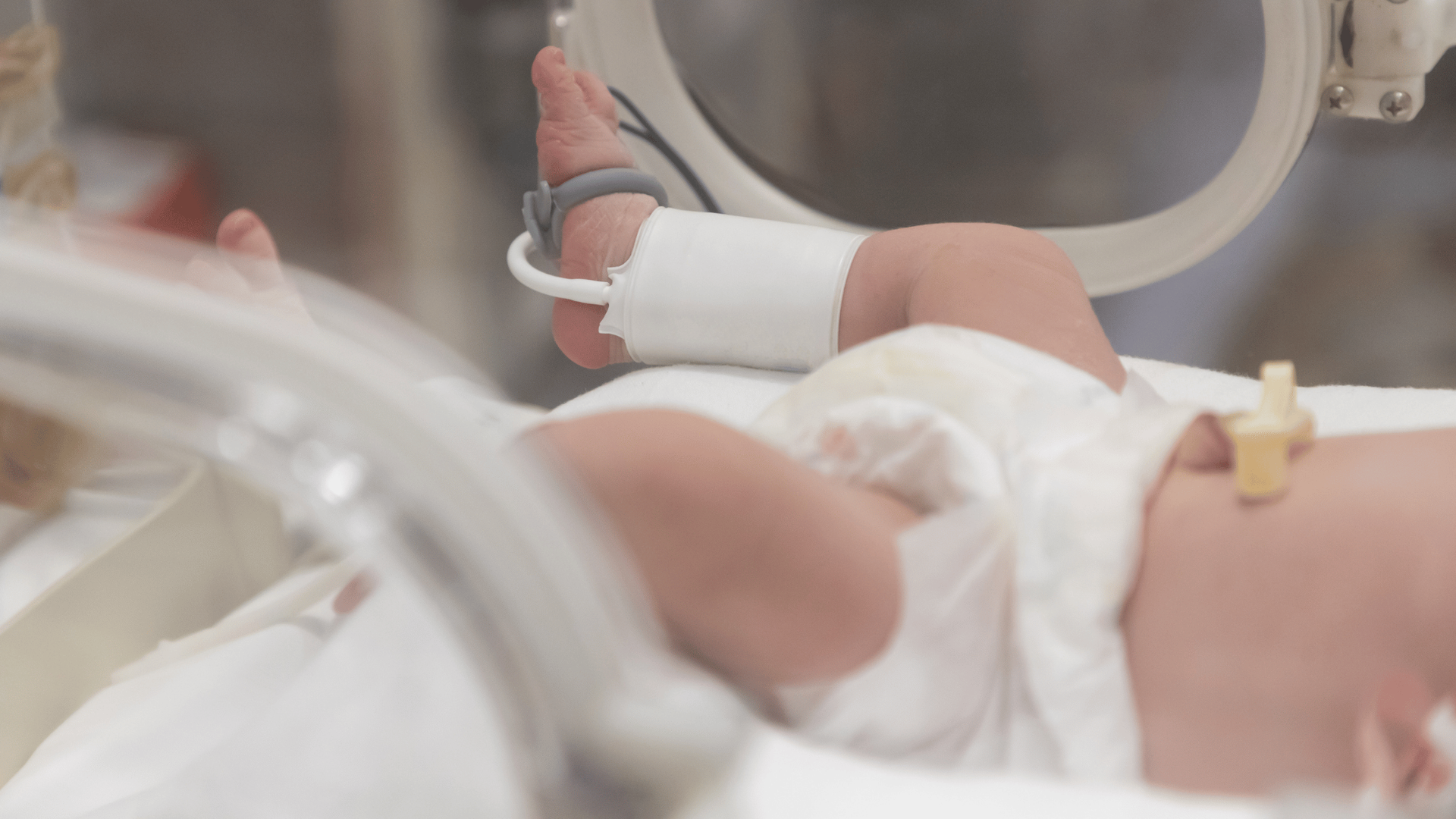
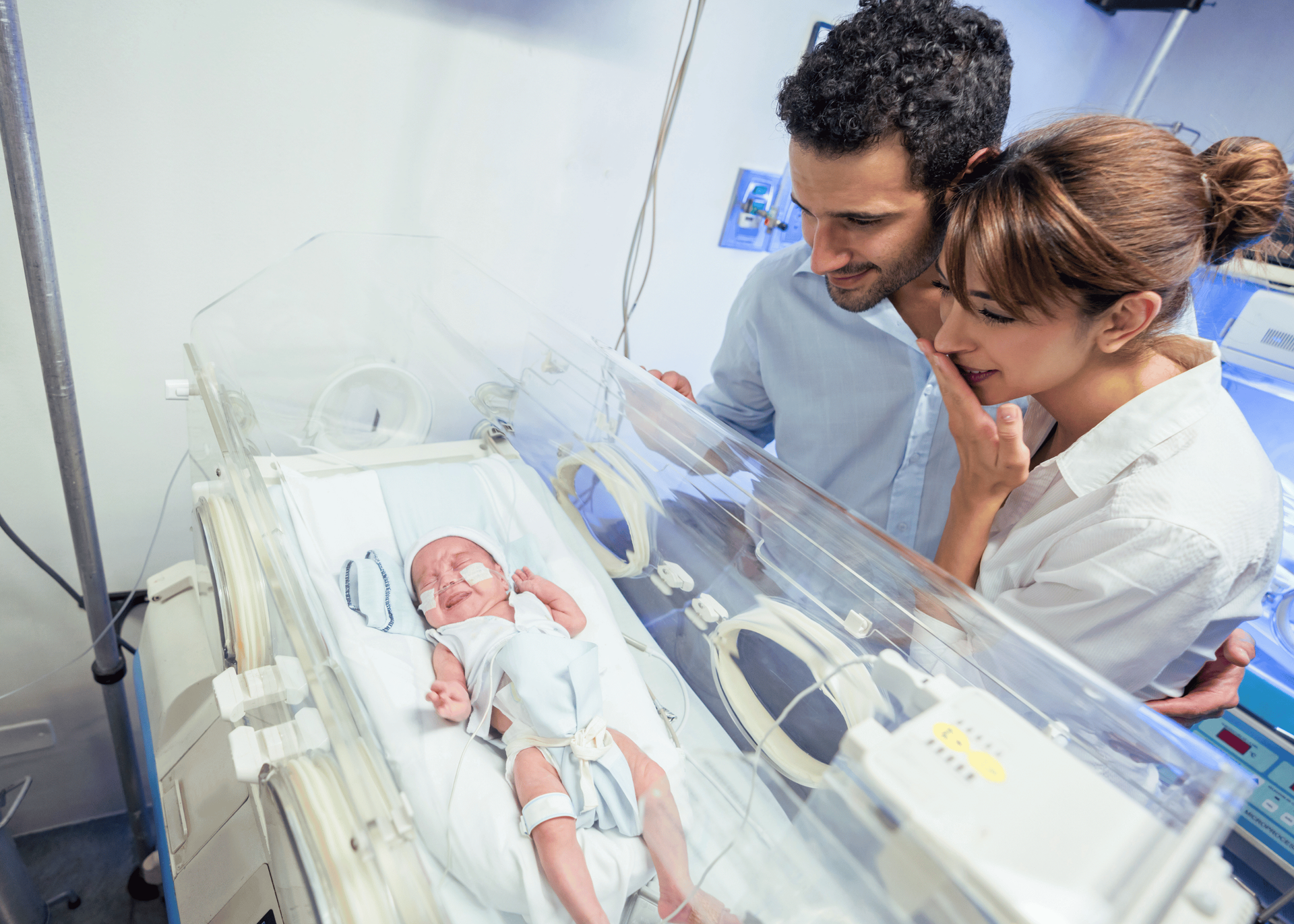
One of the beautiful aspects of CST is that it's not just for the birthing parent. CranioSacral therapy for babies can support latch, digestion, sleep, and nervous system regulation—especially after a long or complicated birth. Having both parent and baby receive CST creates a shared healing experience, promoting attunement and connection.
Because CST works with the nervous system and connective tissues, it's also helpful for older siblings, partners, or anyone in the household navigating the emotional shifts of welcoming a new baby.
A Complement to Postpartum Doula Care
CST fits naturally alongside postpartum doula services. While a doula provides emotional support, hands-on help, and informed guidance, CST offers a deeply calming layer of body-based healing. Together, they create a more complete support system for the postpartum family.
Clients receiving both often report:
- Greater resilience and confidence
- Fewer physical discomforts
- A stronger sense of support and being "held"
As a CranioSacral therapist, I often collaborate with doulas to ensure continuity of care and to honor the unique needs of each family.
You Deserve to Be Cared For
Too often, postpartum parents feel pressure to bounce back, stay strong, or put their own needs aside. But healing takes time, space, and support. CranioSacral therapy offers a sanctuary to rest, reconnect, and allow your body to process everything it has moved through.
If you're experiencing postpartum challenges—physical, emotional, or simply a sense that something feels "off"—you don’t have to navigate it alone. This gentle, non-invasive therapy is here to support your whole self in recovery.
Because your well-being matters. And your healing deserves care, too.
About the Author:
Janelle Maxwell is a Diplomate-Certified CranioSacral Therapist serving clients of all ages with a focus on postpartum recovery, nervous system regulation, and whole-body wellness. People from Ogden, Layton, Farmington, Bountiful, North Salt Lake, Salt Lake City, Murray, South Jordan, Draper, Bluffdale, American Fork, and Lehi come to see her for sessions. Learn more or book a session at www.janellemaxwell.com.
We’re now booking under our expanded brand, Utah Postpartum Care. If you’re looking for overnight support, meals, or real 4th trimester help—this is for you.