Being Real About Postpartum Sleep: A Survival Guide for First-Time Parents
Being Real About Postpartum Sleep: A Survival Guide for First-Time Parents
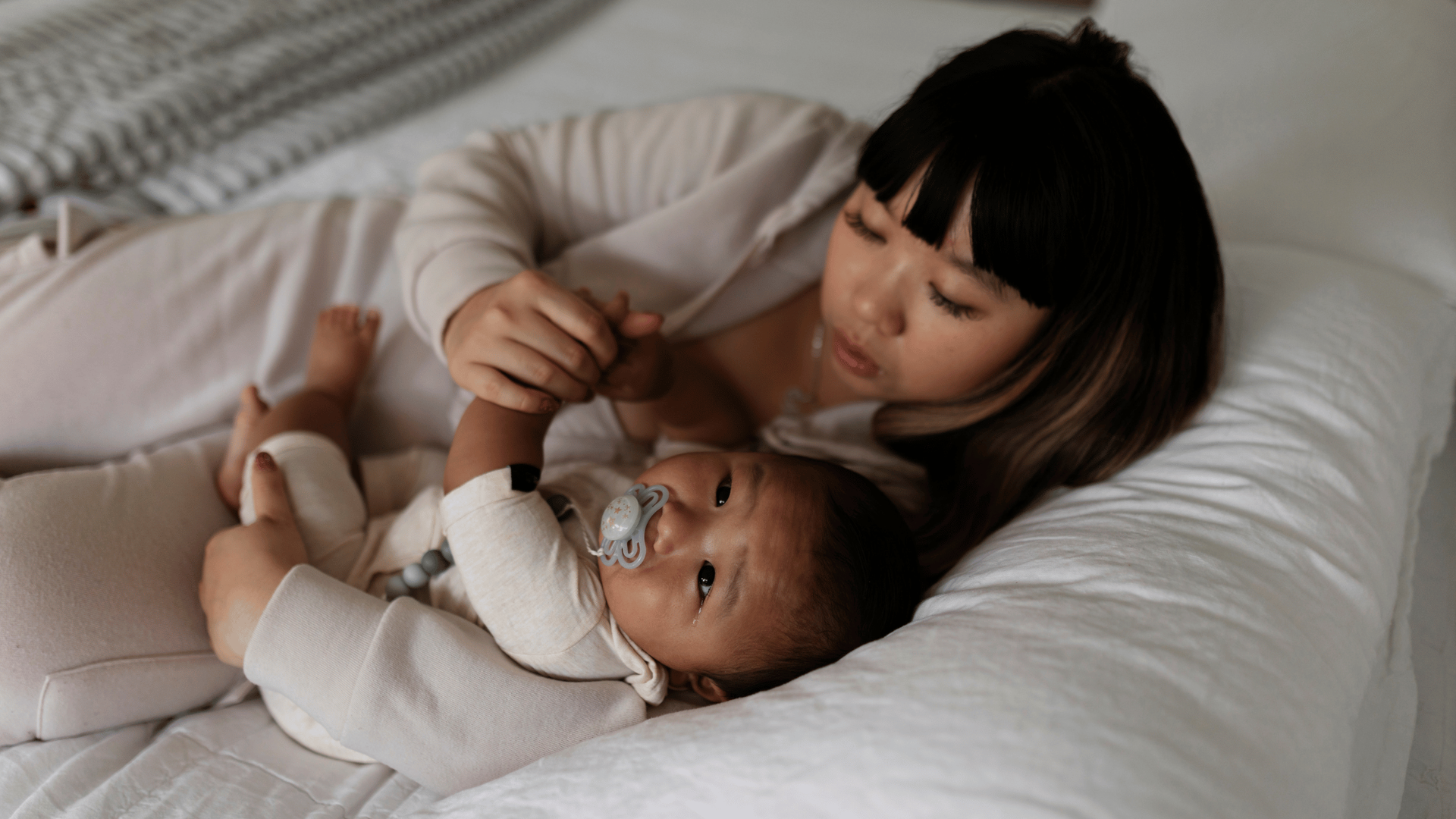
The early days with a newborn are filled with love, snuggles, and about 2,000 questions (yes, first-time parents in the U.S. actually Google an average of 2,000 questions in the first year!). A lot of those questions boil down to one desperate goal: How do I get just a bit more sleep?!
Between constant feedings, diaper changes, and decoding every adorable coo and cry, sleep can feel like a distant dream. But here’s the good news: maximizing rest in postpartum doesn’t have to feel impossible. With the right strategies, it’s absolutely doable.
As a postpartum doula and gentle sleep coach, I’m here to share my best sleep tips for first-time parents. Because let’s face it, sleep isn’t a luxury—it’s essential for your sanity, patience, and those precious bonding moments. And here’s the truth: prioritizing rest isn’t just about feeling good; it’s also vital for reducing your risk of perinatal mood and anxiety disorders (PMADs) in postpartum. Let’s dive in.
1. Embrace the Art of Napping with Sleep Support for New Parents
When people tell you to “sleep when the baby sleeps,” it sounds good in theory—but in practice? It can feel like a cruel joke. Sleep during a grocery run or between mountains of laundry? Hardly! But with a bit of strategy, naps can still be a game-changer:
- Think outside the box. Your nap doesn’t have to sync with your baby’s sleep. Nap while a family member watches your little one or when a friend tackles your dishes.
- Make naps non-negotiable. The dishes will wait, I promise. Lie down at least once a day for even a quick 30-minute recharge.
- Create a cozy sleep space. Use blackout curtains, a comfy blanket, and a white noise machine. An inviting space makes rest feel effortless.
- Lean on your village. Your partner, in-laws, or even a postpartum doula can handle baby duty while you recharge guilt-free.
Strategic naps won’t fix everything, but even short bursts of rest can work wonders for your energy levels—and help you avoid the exhaustion that can contribute to mood changes or anxiety.
2. Establish a Simple Bedtime Routine for Postpartum Self-Care
Bedtime routines aren’t just for babies—they’re for parents too! A soothing, consistent routine helps signal to your brain that it’s time to wind down.
- Step away from screens. Scrolling through parenting forums at midnight is not as helpful as you think. Opt for a book, journaling, or a calming podcast instead.
- Relax your body. Try light stretches, a warm bath, or deep breathing to release tension from a long day of baby care.
- Create a wind-down ritual. A mug of herbal tea, a favorite audiobook, or simply handing the monitor to your partner can work wonders. Don’t underestimate the power of a quiet moment just for you.
A bedtime routine for yourself isn’t just about better sleep—it’s a way to support your mental health by reducing stress and building calm into your day.
3. Share the Load with Overnight Doula Support in Salt Lake City
Let’s spill a best-kept secret: overnight support can completely transform your postpartum experience. It’s the ultimate hack for sleep-deprived parents:
- Postpartum doulas specialize in newborn care. From diaper changes to soothing and feedings, doulas handle the details so you can rest.
- Enjoy uninterrupted rest. Imagine waking up refreshed because someone else cared for your baby during the night. A postpartum doula can make that dream a reality.
- Start the day recharged. With restful nights, you’ll wake up with the energy to enjoy bonding time with your baby instead of just surviving.
Getting solid sleep not only helps you physically recover—it also reduces the stress and fatigue that can heighten your risk of developing PMADs.
4. Take Shifts with Your Partner for Real Fourth Trimester Support
If you have a partner, tag-teaming nighttime duties is a great way to ensure you both get rest.
- Set shifts. Decide who’s “on” and “off” during the night so both of you get at least a few solid hours of sleep.
- Swap when needed. If one of you is especially tired, be flexible and switch it up. Teamwork is the name of the game.
- Use weekends strategically. On days off, maximize rest by dividing responsibilities or calling in extra help, such as a postpartum doula or newborn care specialist, to lighten the load.
Shared nighttime duties build teamwork and ensure neither of you becomes too drained—a key factor in protecting your emotional well-being.
5. Embrace the “One Thing” Rule for Emotional Support
Forget doing it all—focus on just one thing each day. This mindset helps protect your energy and supports your emotional well-being.
- Prioritize one task. Whether it’s a shower, a nap, or a short walk, choose just one thing that makes you feel human.
- Keep expectations low. Some days, your “one thing” might be as small as washing your face—and that’s okay. Celebrate every win.
- Ask for help. Let family, friends, or your doula tackle everything else so you can focus on recovery and bonding guilt-free.
Reducing the pressure to “do it all” and giving yourself grace are essential steps in reducing stress and supporting your mental health postpartum.
6. Accept that Sleep Isn’t Perfect (and That’s Okay)
Adjusting expectations around sleep can help you approach postpartum with more grace and less frustration.
- Rest when you can. Even if it’s not sleep, moments of calm (like meditating or lying down) can be vital.
- Celebrate small wins. A quiet 30 minutes, a successful nap, or letting someone else fold the laundry are all victories worth acknowledging.
- Normalize the mess. Postpartum isn’t picture-perfect, and seeking help—whether from a partner, family member, or postpartum experts—it’s a sign of strength to lean on your support system, not failure.
Remember, lack of rest doesn’t just leave you tired—it can also intensify feelings of overwhelm and anxiety. Prioritizing rest is an act of self-care that benefits you and your baby.
You Deserve Rest, Too: Get Help for Real Sleep
Sleep is a necessity, not a luxury—especially for new parents. Imagine going to bed knowing someone else will handle every detail overnight. A postpartum doula can make this your reality, giving you the rest you need to feel like yourself again.
Want solid sleep?
Book an overnight session with a postpartum doula and wake up feeling human again. Rested parents are happy parents, and prioritizing your sleep is one of the best ways to protect your well-being during postpartum. We’re here to help make that possible in your journey.